I stood outside a town hall where residents had just forced tech executives to cancel a proposed data center. You could feel the current — literal and political — humming under every question. If you follow this story, you’ll understand why I think that pause matters more than the tweets.
I’m writing this so you can weigh the stakes. You already know companies like Meta, Amazon, Microsoft, Google and OpenAI are racing to build the server farms that will run the next generation of AI. What you might not realize is how fast the consequences are arriving at your local power plant and job board.
Microsoft and Google backed out of projects last year — Why Sanders is pressing for a national moratorium
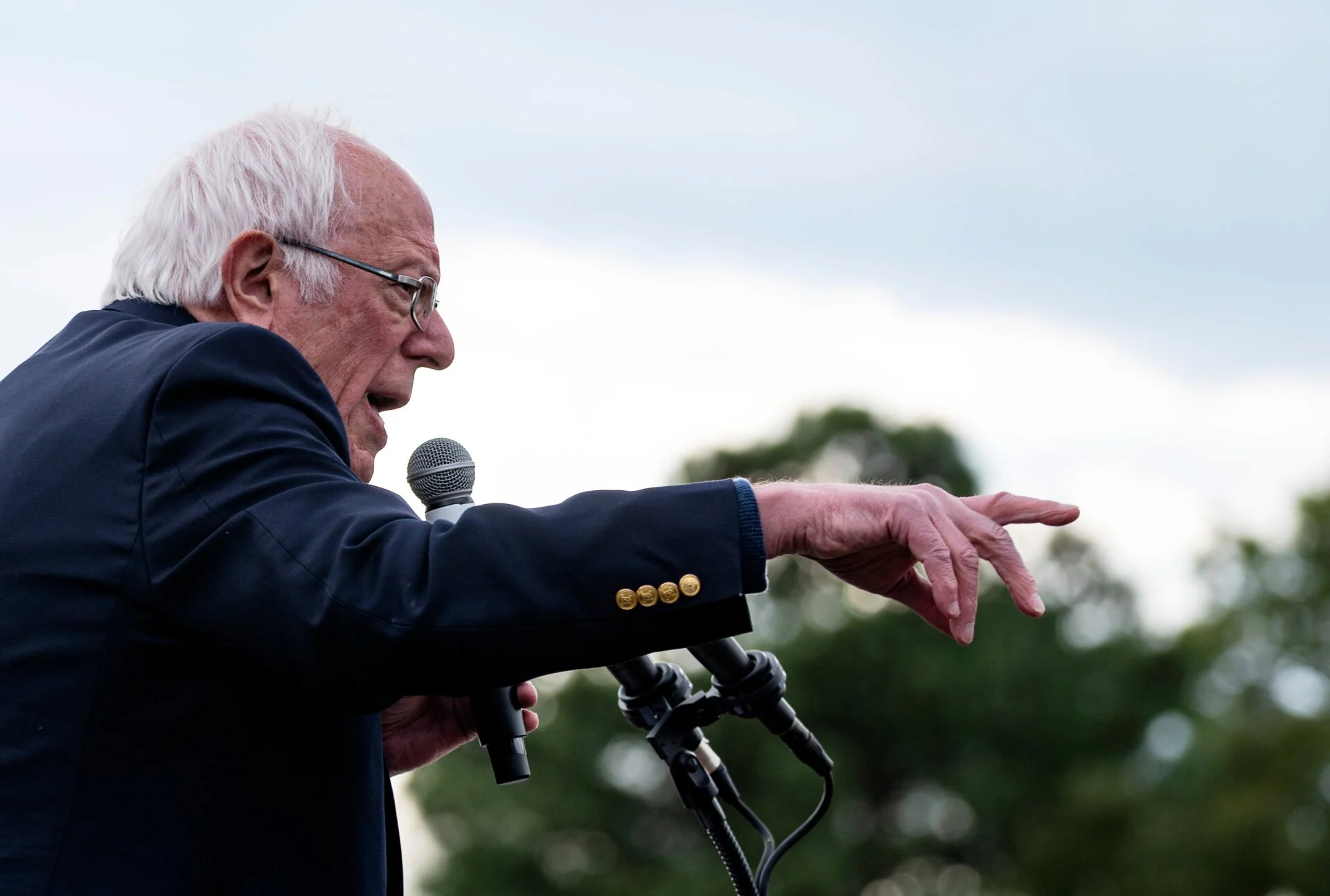
I’ve watched these fights from town councils to the Senate. Senator Bernie Sanders has introduced a bill that would pause new or upgraded AI data center construction nationwide until Congress passes AI rules that pass a simple test: protect people, not just profit.
The bill defines an AI data center as a facility that develops or runs AI models at scale or one with a peak power load above 20 megawatts that uses high-performance racks or liquid cooling systems. You can read the bill’s section-by-section breakdown on Sanders’s Senate page.
What does Sanders’ AI data center moratorium actually do?
At its core, the proposal puts a temporary national freeze on construction and major upgrades for the facilities that train and operate large models. The moratorium lasts until Congress enacts laws that require government review of AI systems before release, limit data-center-driven rate hikes, and include measures to limit job displacement and share AI’s economic gains with the public.
The bill specifically lists environmental and grid concerns alongside pre-market AI safety checks — that’s why local resistance in places where Microsoft and Google pulled projects last year matters. This is a dual fight over climate and control.
Local officials are already imposing temporary bans — How local pressure feeds national action
Turn on the local news and you’ll see citizens asking how much water and power a data center will drain from their town. I’ve covered hearings where municipal leaders described strained substations and worried schoolboard members fretting about rising electricity bills.
Those concrete pressures helped shape the moratorium’s language. Sanders and allies want to stop projects until there’s a federal standard that explicitly forbids new data centers from driving up electricity prices or worsening climate damage.
How will data centers affect local energy and water resources?
Data centers can be enormous consumers of electricity and cooling water. When a facility clamps onto a local grid without offsetting generation, it can behave like a house that keeps flipping the breaker — the result is higher rates or stressed infrastructure for neighbors. One vivid metaphor I’ll use: these facilities can act like a sponge in a dry stream, sucking down resources until the flow to others slows.
Big tech is pouring money into AI infrastructure — The scale of the bet
You’ve probably seen headlines about cash pouring into compute. CNBC estimates that major firms will spend at least $700 billion this year on AI infrastructure and development ($700 billion, €644 billion). That figure explains why companies from Amazon to Nvidia are racing to lock in capacity.
And yes, there are human names attached: Mark Zuckerberg, Jensen Huang, OpenAI’s executives and others are moving the chips and the capital. President Donald Trump has signaled a different approach — he signed an order in December to curb state-level AI rules he called too burdensome, and then tapped tech CEOs for an advisory council.
Sanders frames his move as defending working families. He quoted Elon Musk, Bill Gates and Mustafa Suleyman on job-replacement risks and has even called on Jeff Bezos to testify about plans he reportedly has to raise $100 billion (€92 billion) to buy manufacturing firms and automate them with AI.
Could a moratorium give China an advantage?
I asked Rep. Alexandria Ocasio-Cortez about that at the bill rollout. She pushed back: once companies are required to invest their own energy and stop free-riding on communities, they can proceed without offloading costs onto Americans. She argued that responsible development and global competitiveness are not mutually exclusive — and I agree with that framing.
The political headwinds are steep. The White House and many CEOs favor faster buildouts, and Republican and business leaders argue that pauses cede ground to rivals. But you should notice where the power in this story actually sits: in Congress, in municipal permitting offices, and at the meters that measure electricity use.
This isn’t just policy theater. When I watch hearings and press conferences, I see a growing number of voters ranking AI among their top concerns — in some polls, higher than guns or climate. That political gravity is why Sanders keeps pressing despite long odds.
He’s also forcing a public accounting of promises tech titans have made about jobs, energy use, and who benefits from AI’s gains. If companies build models that displace workers while shipping profits to shareholders, you’ll want to know what safeguards were in place.
Trump Rewards Big Tech’s Biggest Bootlickers With Seats on AI Policy Board
I’ll be watching the committees, the permit offices and the energy reports. You should too. If a data center is a jet engine for AI, what kind of runway are we building for it?