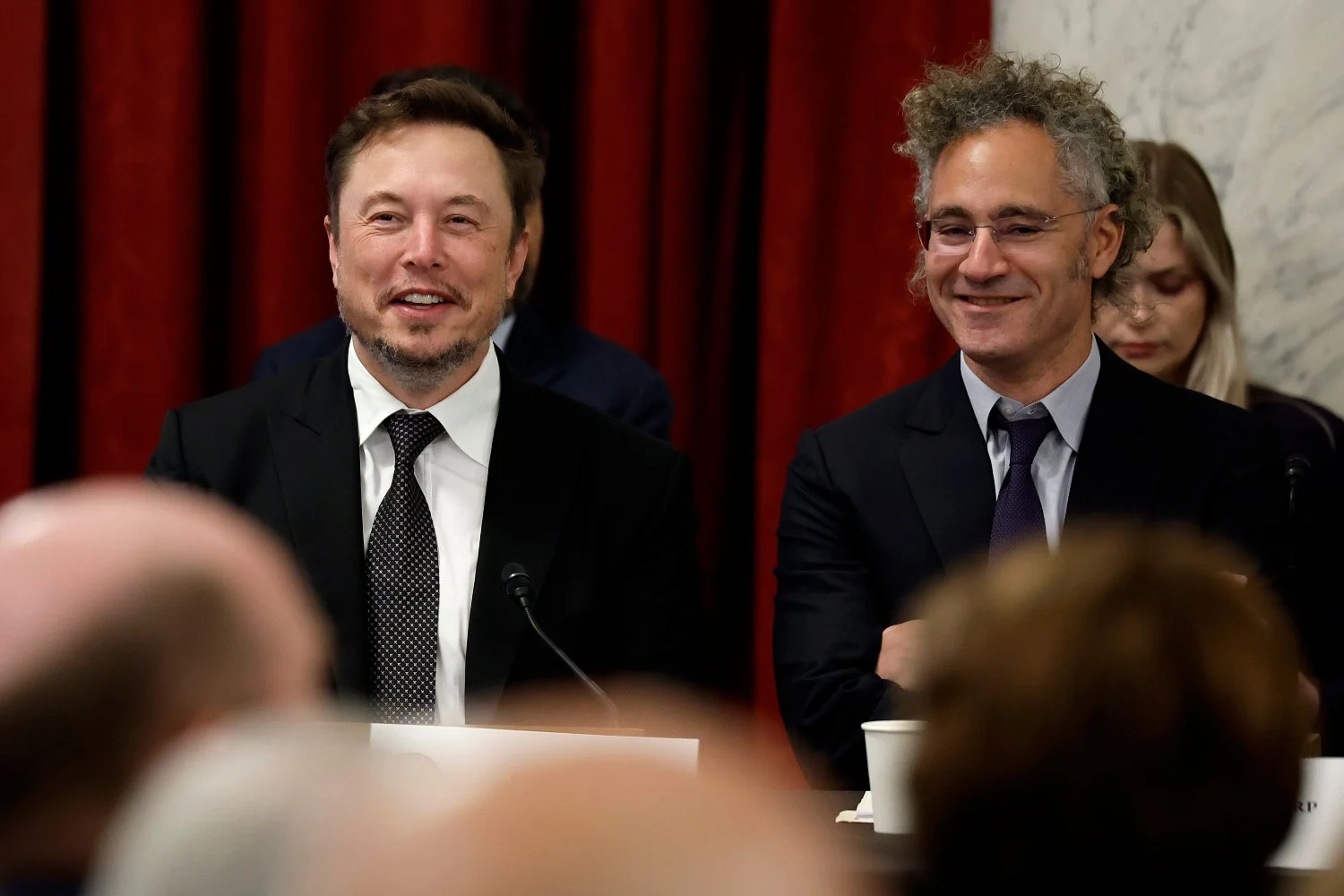
I watched Alex Karp on a TBPN stage and felt the room tilt. He said the future of work will belong to people with vocational training or to the neurodivergent, and the words landed like a cracked compass. You can hear the promise of opportunity — and the whisper of a new hierarchy.
I’m going to walk you through what I heard, why it matters, and where the rhetoric cracks. You already know the headlines; I want you to leave with a clearer sense of what these claims do to real people, real hiring practices, and the language of power.
At a recent TBPN appearance, Karp said vocational training or neurodivergence would guarantee a future
He didn’t hedge. On YouTube clips and follow-up writeups in Business Insider, the message was blunt: AI will narrow job paths, and being neurodivergent is effectively a ticket. I’ve seen CEOs position their quirks as competitive advantage before; the difference here is the claim affects entire communities, not just personal brand-building.
That line changes the conversation from access to selection. It turns disability into a credential and recasts systemic barriers as personal advantage. You should be skeptical when powerful people translate private hardship into a public hierarchy.
Will neurodivergent people have an advantage in an AI-driven job market?
Short answer: sometimes, but not because of innate superiority. Employers, including Palantir, may design roles that reward intense pattern recognition or specialized focus — strengths for some autistic or ADHD individuals. But saying neurodivergence equals inevitability ignores discrimination, lack of accommodations, and the reality that many roles require collaboration, emotional labor, or flexibility.
If you’re reading hiring data from Palantir or scanning resumes on GitHub and LinkedIn, note the difference between an advantage created by design and one inferred by rhetoric.
I watched the viral clip of Karp fidgeting on stage; his company then launched a Neurodivergent Fellowship
That fellowship, announced in a Business Insider statement, came after a viral moment and framed his own dyslexia as part of the narrative. It’s easy to applaud programs that aim to hire differently. But I want you to hear the broader pattern: the same CEOs who celebrate neurodivergence also celebrate a narrow definition of intelligence.
Elon Musk and Peter Thiel have made similar claims — Musk in interviews mentioned autism as part of his story, and Thiel has praised Asperger’s as an asset for founders. When the language of difference becomes a claim of superiority, it shifts public sympathy into a recruitment strategy and a status marker.
Did Alex Karp start a Neurodivergent Fellowship at Palantir?
Yes. Palantir announced a Neurodivergent Fellowship after footage of Karp on stage circulated. The move frames the company as a place that recognizes cognitive diversity, and that can be genuine. But watches are cheap; structural supports and anti-discrimination measures cost money and require sustained policy changes across HR, engineering, and product teams.
In meetings, tweets, and op-eds, the same chorus praises “rationality” over empathy
Tech figures often cast themselves as purely rational problem-solvers, and when they pair that with neurodiversity it can sound like a manifesto. I’ve read those op-eds and sat through those town halls; when rhetoric crowns a group, it echoes in hiring funnels and investor decks.
There’s a danger here that’s hard to spot until it’s baked into culture: cognitive difference becomes a brand, and brands prefer winners. That’s when discrimination masquerades as merit. Think of it like a lighthouse in a hurricane — meant to guide, but also able to blind.
Is framing neurodivergence as an advantage harmful?
It can be. Framing creates expectations and excuses. Employers who lean on the “neurodivergent advantage” narrative might ignore needed supports, or they might valorize certain types of performance while sidelining anything seen as “soft.” For people already facing underemployment, the rhetoric can be a double-edged sword: recruitment on one hand, gatekeeping on the other.
Real equity requires both recognition and repair: hiring programs, accessible workplaces, anti-bias training, and public policy that protects rights beyond the PR moment. References to CNN and Mother Jones warn that the conversation is already political, shaped by media framing and powerful personalities.
I’ve followed Palantir, read the TBPN transcript, and watched how the conversation spread from YouTube to newsletters and boardrooms. You can admire a CEO’s resilience without letting that admiration rewrite social obligations. So tell me: when tech leaders frame cognitive difference as a survival tool, are they opening doors or building a new meritocracy with a different lock?