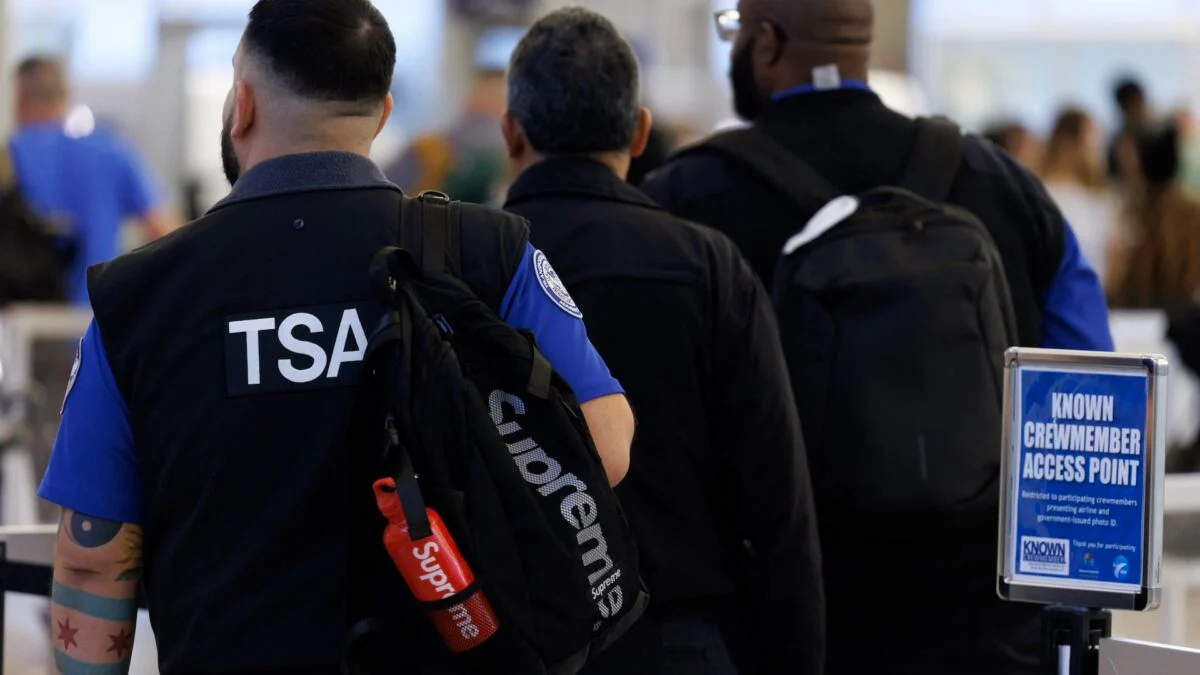
We were three rows back when the announcement came: gates delayed, staffing thin, and the line not moving. A TSA agent whispered that many colleagues hadn’t been paid in weeks and some were sleeping in their cars. I watched a family try to calculate whether missing a flight would cost more than waiting in line.
I follow travel systems. You fly, I chase the weak links—and right now the weak link is visible in every terminal on the East and Gulf coasts.
At LaGuardia, the general security line hit nearly two hours Thursday morning.
Why that matters: when wait times climb past the two-hour mark at hubs such as LaGuardia and Hartsfield-Jackson, the ripple effects are immediate—missed flights, frayed tempers, and packed concourses. TSA Deputy Administrator Ha Nguyen McNeill told the House Homeland Security Committee that wait times at some major airports have exceeded four hours. Those figures are the longest in the 24-year history of the agency.
Why are TSA lines so long?
Short version: funding and staffing. A partial government shutdown has left the Department of Homeland Security without funds. TSA agents have kept working, but many are unpaid and calling out at rates of 40% to 50% at some airports. When half your screening workforce disappears overnight, lines stretch and the system creaks.
In Houston, airport staff warned of surges tied to conferences and tournaments.
Local pressure is compounding a national shortage. George Bush Intercontinental and other hubs expect spikes from events like CERAWeek and the NCAA tournament, and the Houston Airports system warned that passenger volumes will climb again. I’ve seen airports handle sudden spikes before; this feels different—more brittle.
At Hartsfield-Jackson, the PreCheck line spilled outside the terminal.
Here’s how the worker side looks: as of Friday, TSA employees will have missed nearly $1 billion (€930 million) in pay since the shutdown began. Some officers are quitting—the agency reports about 480 departures so far—and McNeill warned that hiring can’t fix things overnight. Training a new agent takes four to six months, which means even if recruiting accelerates, availability won’t match demand during spring break and the FIFA World Cup matches this June.
How long are TSA wait times right now?
They vary by airport and by hour. CNN and local reports describe waits from nearly two hours at LaGuardia to stretches exceeding four hours at several major airports. Expect lines to lengthen during peak travel windows—spring break and event-driven surges are likely to make the worst days worse.
Outside arrivals, I watched an ICE officer checking IDs at a major terminal.
That scene matters because officials are reallocating resources. President Donald Trump has deployed Immigration and Customs Enforcement officers to assist at some airports. The New York Times reported ICE agents helping check IDs in certain terminals, but ID checks aren’t full replacements for trained TSA screeners handling security equipment and passenger screening protocols.
On the House floor, testimony painted a picture of staff under strain.
TSA leaders describe agents missing rent and utilities, sleeping in vehicles, and weighing whether to stay. You don’t have to empathize to see the consequence: morale falls and absences rise. Callout rates of 40–50% at high-traffic airports are not just numbers; they are empty posts where critical screening should be.
What can travelers do to reduce the risk of long waits?
You can shift when you travel and how you prepare. Arrive earlier than usual, use TSA PreCheck or CLEAR if you already have them, and monitor airport feeds—Houston Airports, the TSA app, and flight-tracking services give real-time queue and gate updates. If you can, move flights to off-peak hours. None of these guarantees a short line, but they tilt the odds in your favor.
In Washington, lawmakers are debating emergency funding and executive options.
Several Senate Republicans reportedly urged the White House to declare a national emergency to free unspent funds to keep TSA agents paid, according to The Wall Street Journal. White House press secretary Karoline Leavitt said officials are discussing “a number of ideas,” but emphasized the easiest fix: fund DHS. I’ve covered similar political standoffs; when bargaining revolves around immigration policy, operations become collateral.
The picture is stark: unpaid agents, historic wait times, and an industry built on schedules facing sudden instability. The system resembles a pressure cooker, counting down; at the same time airport terminals look like a paper jam in an office where every attempt to yank free one page risks two more sticking.
I’ll keep watching how DHS and Congress respond. You should plan as if the worst wait is possible—check your airport’s social feed, consider travel insurance if connections are tight, and keep an eye on statements from the TSA, DHS, and the White House. Does Washington act before millions of planned travelers learn exactly how long a line can be?