
I opened Romance Dawn alone at midnight and felt the ground under One Piece shift. The straw hat was familiar, but the rules of heroism were rewritten. That small change made the whole world suddenly feel negotiable.
I’m going to walk you through what Eiichiro Oda kept, what he excised, and why those choices hardened One Piece into the cultural leviathan it is today. You’ll find scenes that migrated almost verbatim, scraps that became other characters, and a handful of ideas Oda dropped because they would have weighed the story down. My aim is practical: give you the reading that sharpens the series rather than softening it.
At my local shop a dog-eared copy of Wanted: Eiichiro Oda sits beside new Netflix tie-ins — what survives first
The most striking continuity is character voice. Luffy already exists as an absurd, irrepressible kid with a mouth and a mission. Oda kept that intact because the emotional engine was there from page one. The Gum-Gum fruit, the dream of open seas, the propensity for punching a bad guy into honest defeat — those core beats moved from one-shot to serial without hesitation.
Oda also preserved the improvisational humor and kinetic paneling that make the serialized manga a sprint. That visual rhythm is an authority cue: the art tells you who controls the story. When you flip from Romance Dawn to the volume one chapters, the linework and timing announce the same hand at work, refined rather than rethought.
What is Romance Dawn and how does it differ from One Piece?
Romance Dawn is not a prototype you can demolish; it’s a manuscript that points. It contains prototypes of Nami, Vivi, and Buggy under different names, and an alternative moral compass: the idea of a “Peacemain” pirate who hunts worse pirates. That term didn’t survive, but its spirit did — the Straw Hats became informal liberators rather than simple treasure-hunters. The one-shot is a seed vault: it stores potential rather than finished monuments.
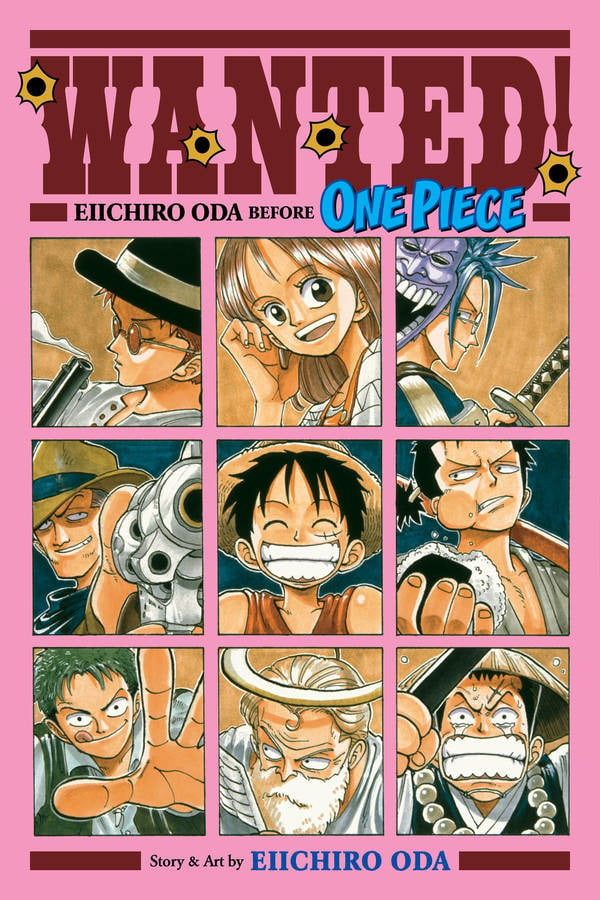
On a Reddit thread a fan posted early Nami art and people argued for hours — what Oda cut that sharpened the story
Oda excised several explicit moral labels. In the one-shot, pirates are divided into named tribes of good and bad; in the serialized tale, those labels dissolve into messier motives. Removing the “Peacemain” taxonomy forced the series into ethical grit. That change created narrative tension: you no longer know which captain holds the moral high ground, and that uncertainty is a continual hook.
He also trimmed exposition-heavy backstories. Ann’s (early Nami) rescue plot in Romance Dawn is simpler and more folkloric — a giant bird named Balloon, a villain scheming to harvest its blood. Oda reused the emotional beats but recast them: Balloon mutated into Karoo’s lineage, and Ann split her traits across Nami and Vivi. The cut reduced baggage and accelerated momentum.
What did Oda cut from Romance Dawn?
He removed overt magic explanations tied to devil fruits, the tidy good-vs-bad pirate taxonomy, and some of the more literal companion animals. Those cuts moved the story away from a moral fable and toward an epic with ambiguous antagonists. Removing those crutches granted Oda room to grow thematic complexity across hundreds of chapters.

I watched the Netflix episodes and noted which pilots made it onscreen — how those kept elements amplify on TV
Netflix’s live-action and Wit Studio’s upcoming remake both mine Romance Dawn for beats, costume choices, and image references. The show referenced Nami’s original axe-wielding design in a season-one outfit and echoed the manga color spreads. On screen, Oda’s early rhythms translate into staging decisions: fast cuts, comic timing, and a preference for human faces that carry sentimental weight.
Those choices are credibility signals for fans and newcomers alike. When Toei Animation and Netflix borrow an early panel, they’re not apologizing for change — they’re amplifying the DNA that worked. The one-shot was a north star for tone, even when the series refused its specific terminology.
How did Romance Dawn influence One Piece’s themes?
The one-shot seeded the show’s persistent themes: freedom against oppression, found-family loyalty, and the messy ethics of rebellion. Oda preserved Luffy’s instinct to punch tyranny in the face, then broadened his canvas so those punches hit systems, not just individuals. That thematic widening is why fans can point to a Straw Hat flag at protests and feel its symbolic weight.

At a conventions’ panel a fan asked about Oda’s influences — why some origins are awkward to repeat
Oda’s note that he apprenticed under Nobuhiro Watsuki is on the record, and that history is uncomfortable now. I won’t gloss it over: acknowledging influence and reassessing lineage are part of cultural literacy. Still, the creative apprenticeship route — assistants, one-shots, trial by Shonen Jump — explains the economy of ideas in Romance Dawn. Oda recycled concepts, refined them, and discarded what made the work feel dated or morally brittle.
That pruning process is editorial authority in action. You can trace decisions back to industry pressures and platform signals: editors at Shonen Jump, readership data, and the attention economy that platforms such as Viz, Kotaku, and Reddit feed. Those signals tell you which motifs will scale; Oda listened and reshaped.
Reading Romance Dawn is not a museum visit. It’s an interrogation of choices — what was kept for rhythm, what was cut to widen stakes, and what survived because it resonated. If you want to rewatch or re-read with sharper sight, follow the bones: Luffy’s voice, the elastic action language, the early politics of rescuing rather than raiding.
And if you’re wondering which chapter or episode echoes the one-shot most directly, hunt down episode 907 of the anime and the collected Wanted volume available through Viz and Shonen Jump — those will show you the genealogy in full color. Tools like Reddit and Kotaku will fill in fan theories, while IGN and industry trackers offer timelines for Wit Studio’s remake and Netflix’s next seasons.
So what did Oda lose and gain by cutting the pilot’s explicit labels and tidy magics? He sacrificed a few tidy answers in order to give the story a broader moral muscle — and he gave readers a world that keeps asking questions rather than handing you conclusions. Which choice do you think made One Piece last: the edits that simplified, or the cuts that complicated it?