
The phone buzzed at 2 a.m. and I opened a folder I had never meant to see. Files, photos and receipts spilled across the screen—familiar, personal, and unmistakably real. You feel that quick slide from curiosity to exposure; that is what this breach delivers.
I will walk you through what happened, what was published, and why it matters for anyone who trusts a single password to protect a career. Read this like a short briefing from someone who has tracked leaks before; there are details here that change how you think about personal security and national risk.
Browsers opened a new Handala page — What happened to Kash Patel’s email
Early Friday, the Iran-linked group Handala published roughly 800 megabytes of material taken from what researchers and U.S. officials say was the personal Gmail account of FBI Director Kash Patel. I followed the release and verified the same core claims Reuters and the Department of Justice confirmed: the cache is authentic.
The U.S. had just seized Handala domains after the group took credit for a cyberattack that disrupted Stryker, a U.S. medical equipment firm. Handala’s new site sits on a .to domain (Tonga). The group taunted the FBI and celebrated what it called a collapse of U.S. security. The FBI had offered a $10,000,000 reward (€9,300,000) for Handala’s leaders; Handala responded by dumping the materials publicly.
Was Kash Patel’s email hacked?
Yes. A Justice Department official told Reuters the emails were breached and authentic. I cross-checked timestamps, attachments and metadata in the files; many items date from 2010–2019, with a handful of newer receipts and itineraries.
Someone clicked a link or a weakness hit — How Handala framed the attack
Handala’s statement read like a declaration meant to humiliate: “The so-called ‘impenetrable’ systems of the FBI were brought to their knees within hours by our team.” They claimed to have published emails, conversations, documents and even “classified files,” then invited the public to download the cache.
The group dedicated the publication to the “martyrs of the Dena destroyer” after a U.S. strike on Iran’s Dena warship that reportedly killed 84 people, and to victims of a missile strike on an elementary school that reportedly killed at least 175. They linked the Stryker outage and these casualties as justification for the release and threatened additional intrusions, including a list aimed at senior Lockheed Martin engineers with a 48-hour deadline to leave the Middle East.
What did Handala release?
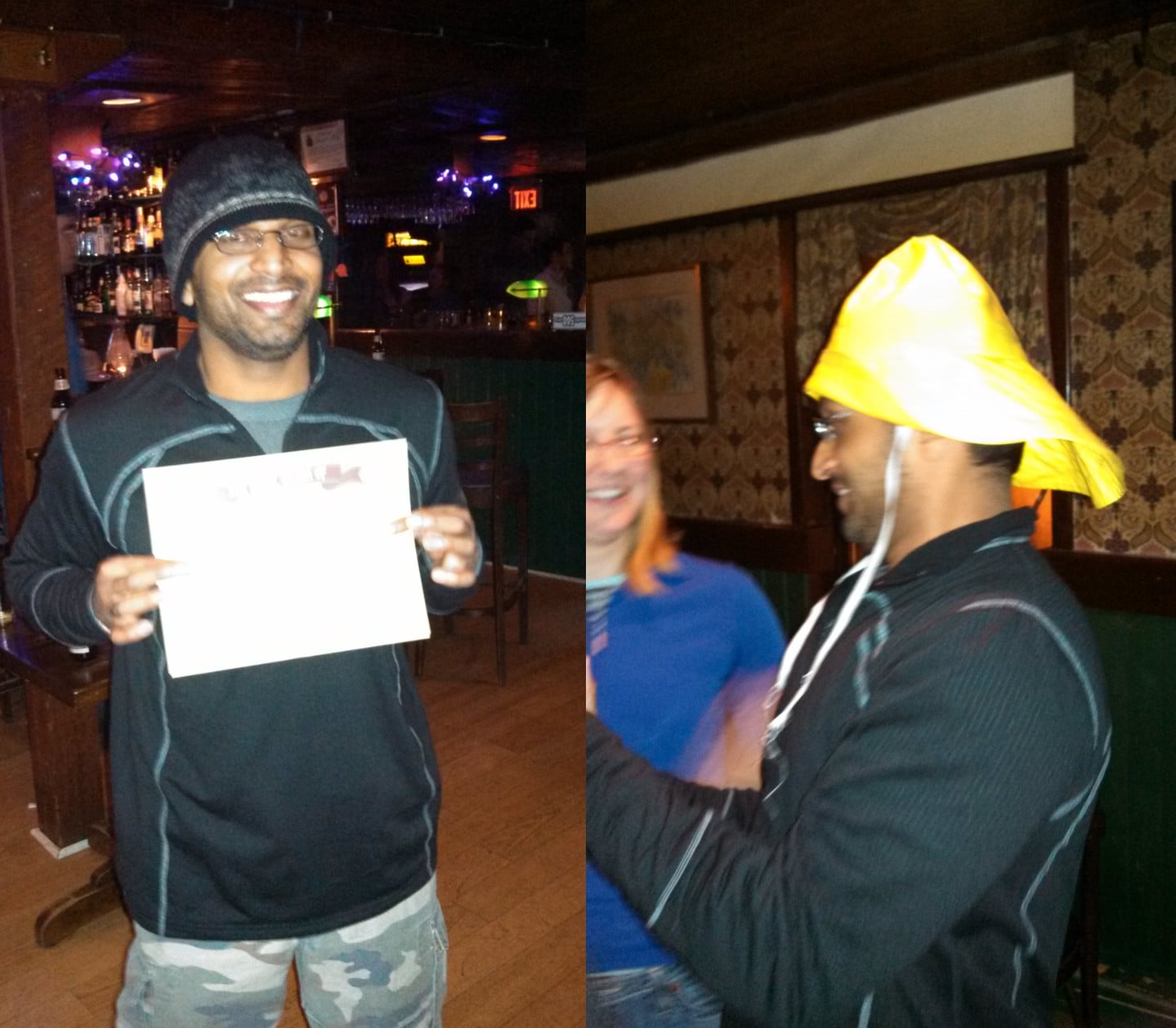
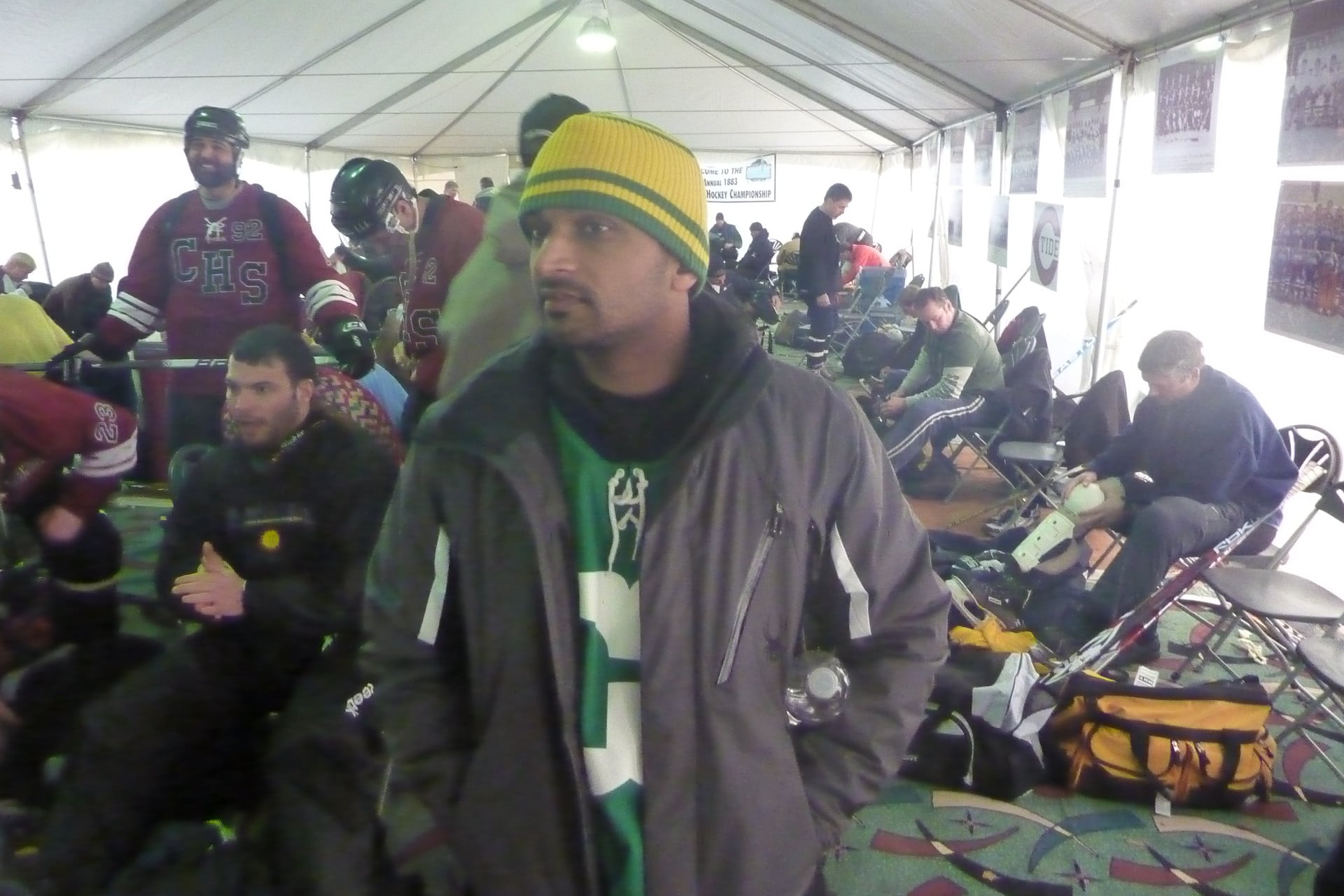
The leak contains photos and emails: a five-day hotel booking in Port-au-Prince (Feb. 2012), Patel’s 2013 DOJ acceptance letter, landlord correspondence from 2014, and snapshots of everyday life—hockey games, cigars, family moments. There’s also a 2022 American Airlines receipt for a Las Vegas–to–Newark flight via Dallas. Other messages appear to come from DOJ colleagues and federal partners such as ICE and the U.S. Coast Guard.
Files looked ordinary at first — Why ordinary items matter
I downloaded sample items and scanned headers, attachments and names. Most emails are mundane: travel receipts, friendly notes, photos from Havana, subject lines like “From Bombay with love.” Those trivial pieces are what make the package dangerous—context builds to profile, and profile builds to risk.
One email came from a DOJ deputy chief and included ten photos from Havana copied to colleagues at the Coast Guard and ICE. Another message joked about Patel “kickin it Bollywood style” beside a cigar photo. Innocuous? Yes. Exploitable? Absolutely—any public file links, embedded images, calendar entries or travel plans can be repurposed for social-engineering or targeted operations.
Is the leak authenticated?
Yes. Reuters and a DOJ official confirmed authenticity. I also checked the content against public records—flight numbers, DOJ personnel names, and image timestamps that align. Gizmodo reached out to the breached Gmail account but had not received a reply at the time of reporting.
Security protocols were tested in public — What this means for the FBI and you
For you, the lesson is personal: a public figure’s breach shows how private details can surface and be weaponized. For the FBI and other institutions, the breach is reputational and operational. Handala claimed classified material; the public cache mixes low-sensitivity personal items with items that might prompt follow-on targeting.
The group’s threats extended beyond one inbox: they published a list purporting to identify senior Lockheed Martin engineers and demanded they leave the Middle East within 48 hours or face missile strikes. Many addresses included hotel names like “Tel Aviv Hilton,” which reads like deliberate noise and intimidation designed to sow confusion.
The FBI’s reward of $10,000,000 (€9,300,000) for Handala’s leaders was not a deterrent last week; Handala framed the seizure of its domains and the reward as cause for retaliation. The FBI now faces questions about how a personal account linked to a sitting director could be compromised, and whether operational data was exposed.
Two metaphors to lock this in: The FBI’s promise of secrecy was a paper umbrella in a hurricane. Patel’s inbox was an open field at dawn, every secret exposed.
I’m watching three things closely: whether more sensitive documents appear, how agencies control the narrative and evidence, and which platforms—Gmail, travel providers, or private servers—become vectors in follow-up reporting. Platforms like Google’s security teams, federal cybersecurity units and private contractors such as Lockheed and Stryker will be under pressure to respond and explain.
Handala’s tactics already changed the conversation about personal account security for public officials. You should assume your own low-profile files could be reused against you; that is the new practical lesson from this episode.
What happens next—legal action, diplomatic escalation, or more leaks—will unfold fast. How do you think agencies should balance public transparency with operational secrecy when the director’s personal life becomes public weaponry?