
I found him on a rusted floorplate, half a legend and half a problem I had to solve. You know the moment—silence, then a scrap of movement that promises revenge or ruin. That hinge of decision is where Maul’s story lives, and his legs tell most of it.
I’ve tracked his arc from trash chute to throne room, and you’ll see why the right pair of legs changes everything. I’m going to walk you through the four major sets Maul has worn, explain what each signaled, and point out the choices that made him more terrifying or more human. Along the way I’ll name the creators and platforms—Lucasfilm, The Clone Wars, Dave Filoni, Dark Horse comics, Disney+—that shaped how we read those choices.
4) Legs (Organic)
You see organic legs everywhere: at gyms, in clinics, on stage as a baseline for human motion. These were Maul’s baseline.
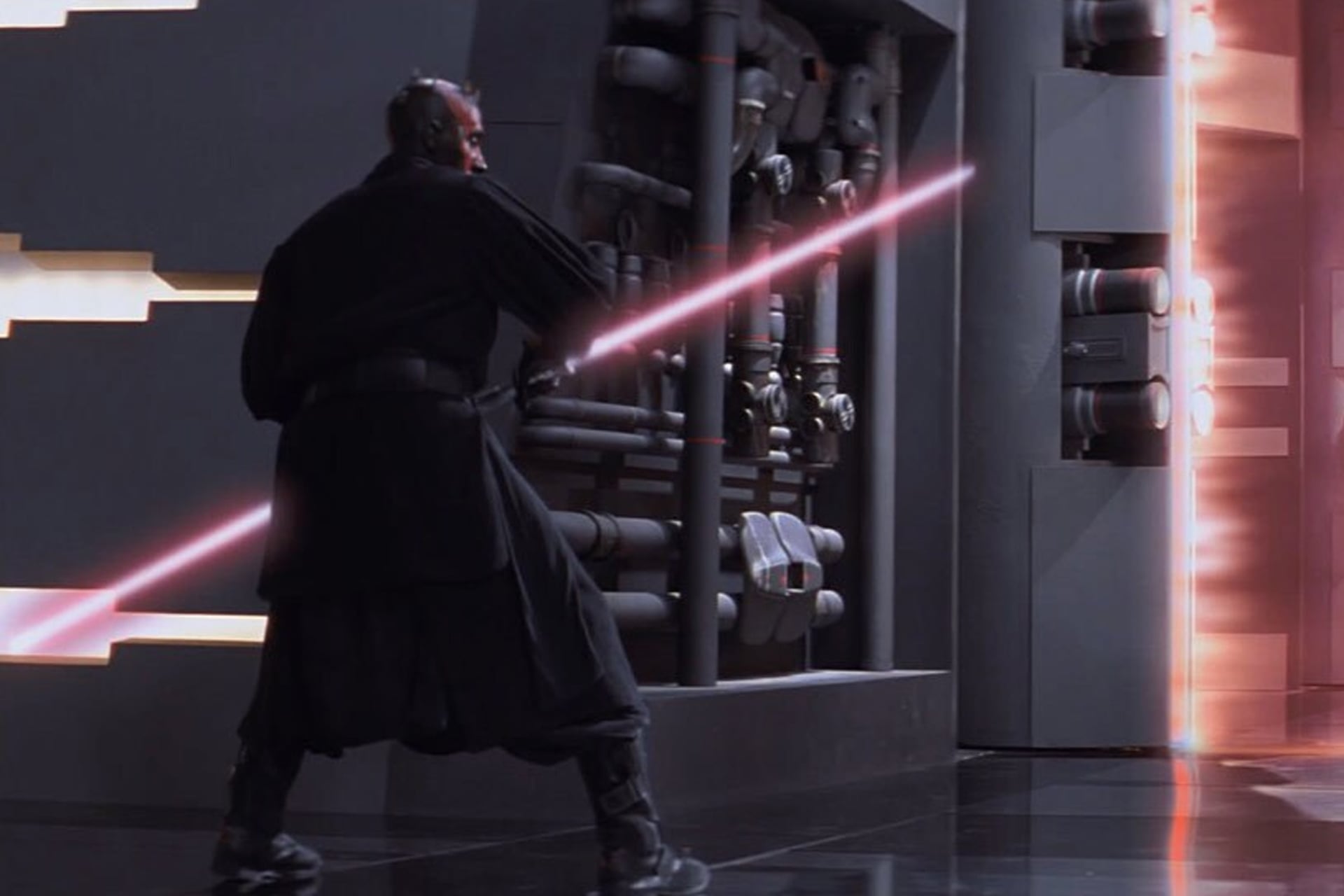
They’re the original, the ones you picture when you remember a young Maul flipping across a palace floor. Clean movement, athletic grace—these legs let him spin, backflip, and stalk with presence. They’re also the most fragile: Obi-Wan’s blade turns them from an asset to a liability in a single swing. Think of them as the default operating system: reliable until someone rewrites the kernel.
3) Legs (Clawed)
At conventions you see cosplay that tries too hard—spikes, lights, overdesign. That’s the energy these legs give off.
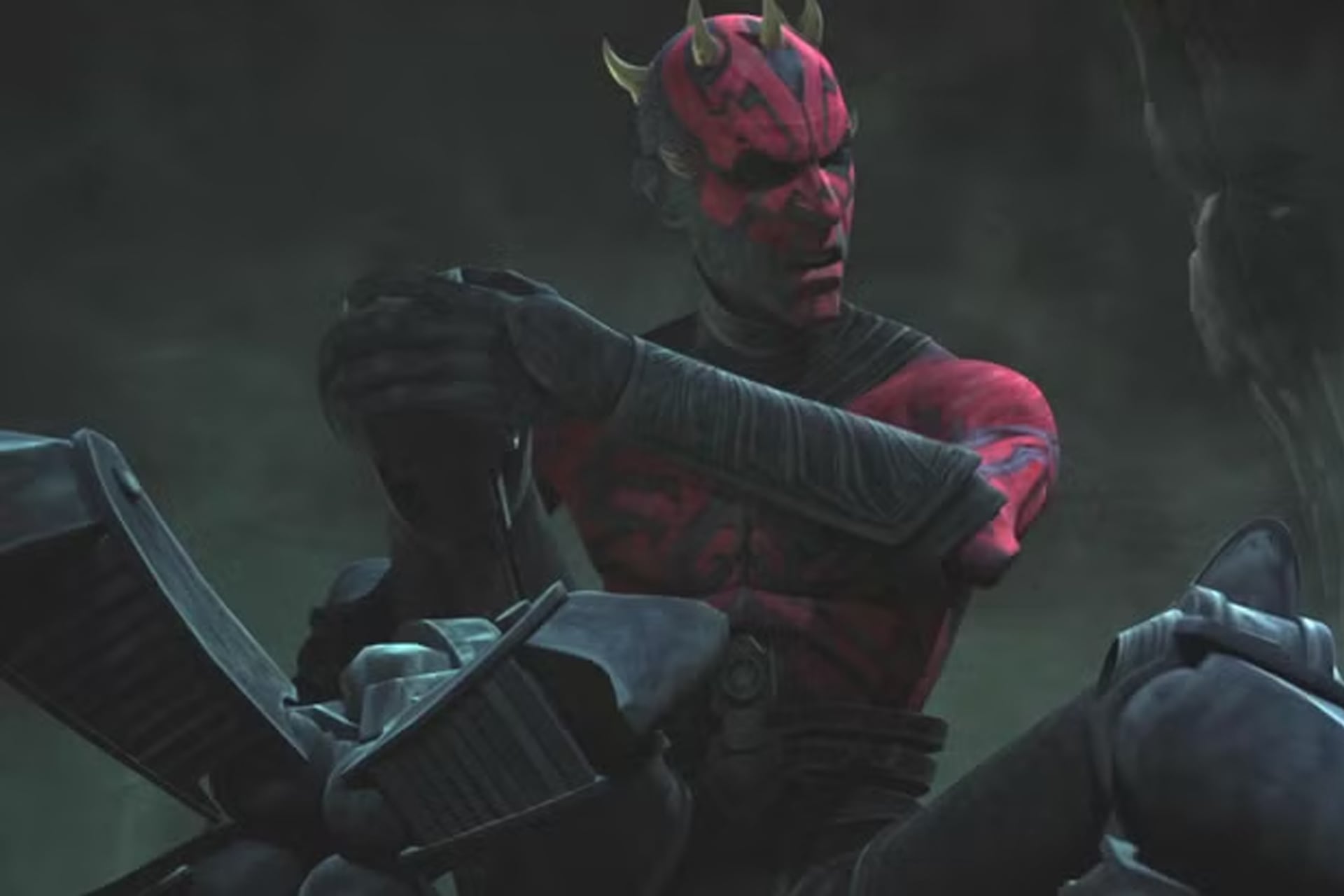
Given to him by Mother Talzin and the Nightsisters, these are loud—multi-jointed, overbuilt, and ending in talons. They read as theatrical power: a deliberate performance of menace that overshadows the man wearing them. They reference a what-if from Dark Horse comics and borrow a little from General Grievous’ aesthetic, so they feel like someone’s statement about Maul rather than Maul’s own move. They say: I am bigger than you think. That scream of style costs context, which is why they land here.
What kind of legs does Darth Maul use across Star Wars media?
Short answer: he wears different ones depending on the storyteller. Lucasfilm’s films, Dark Horse’s comics, Filoni’s The Clone Wars and later Disney+ series each give Maul a new silhouette to carry meaning. The legs tell you where the scene sits in the timeline—and who controlled Maul at that moment.
2) Legs (Spider)
Junkyards are messy and full of improvisation; that’s where people get clever or break. Maul’s spider legs come from that exact vibe.
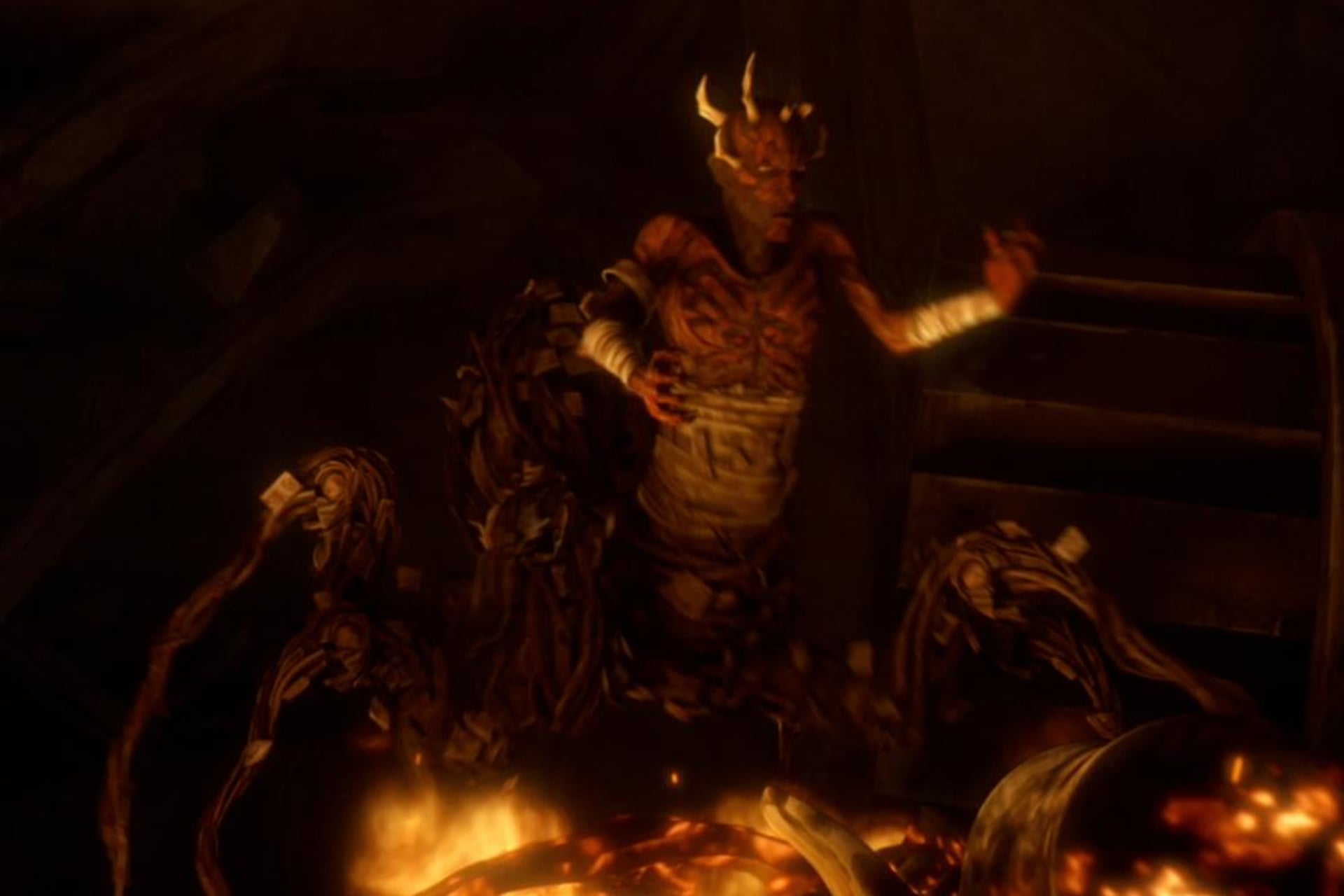
After his defeat and the fall down the Naboo chute, Maul reassembles himself on Lotho Minor. The spider legs are self-made, raw, and scrapped together from junk—wires exposed, servos on display. They match a man who is at his nadir: feral, broken, obsessed with revenge. That abdomen he grafted on is grotesque and unnecessary, but it’s honest. These legs scream survival over style; they are a gutted marionette of a killer.
Why did Darth Maul use spider legs after Naboo?
Because they fit the story Filoni and the writers wanted: a once-lethal assassin reduced to scavenger, rebuilding himself with whatever scraps he could find. Spider legs signal resourcefulness and a fractured identity—perfect for a character whose entire motivation is to reclaim what was taken by Obi-Wan and by the Sith’s failures.
1) Legs (Mandalorian)
In workshops and collector shelves, quality gear looks simple and functional. That’s the quality Mandalorian legs bring.
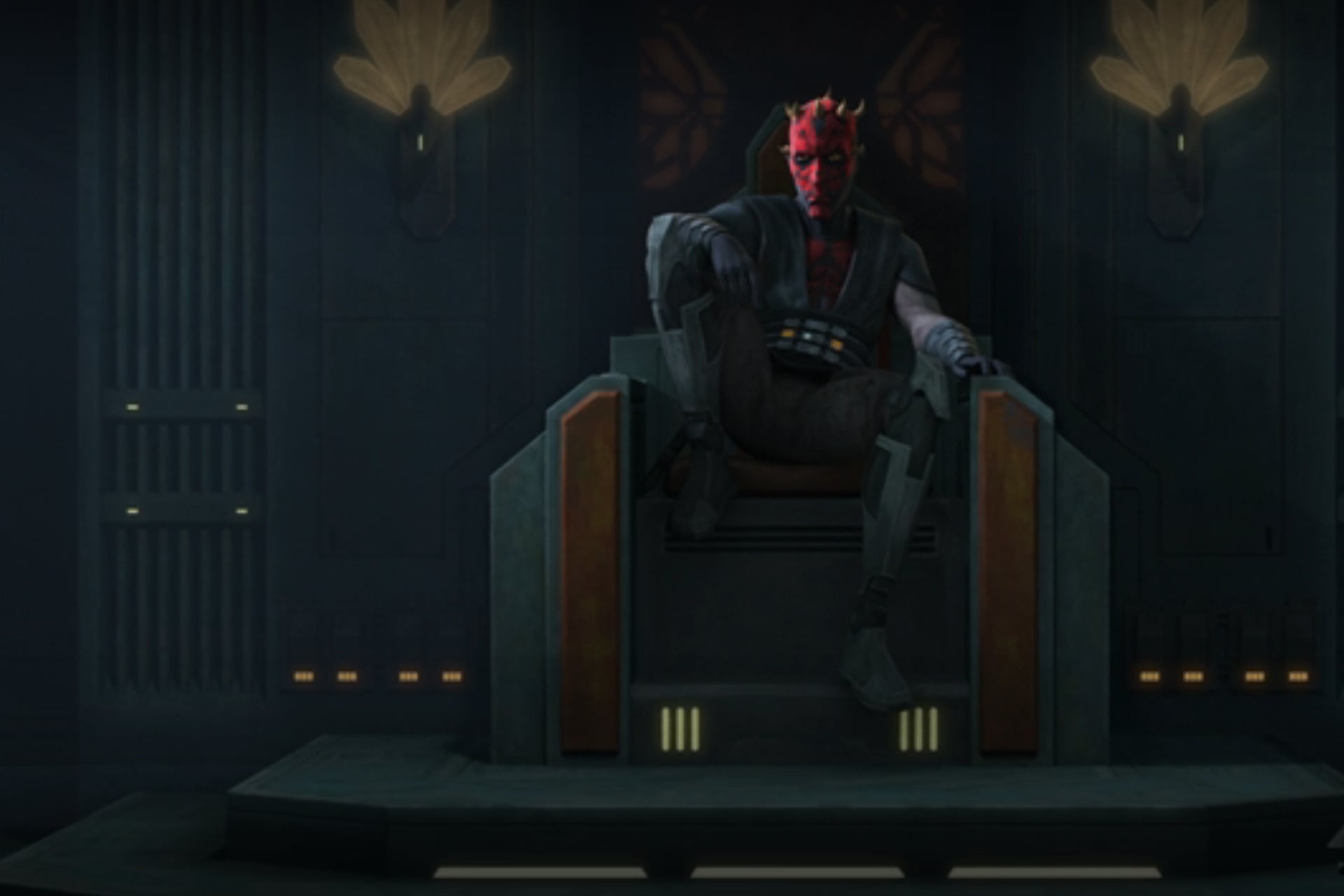
After Death Watch finds Maul and Savage Opress, the clawed pair get swapped for something less performative. These legs echo Mandalore’s smooth, art-deco lines during the Clone Wars. If the clawed pair shouted, these speak in an economical whisper: precise, armored, and built to last. They’ll carry Maul through years of scheming—across The Clone Wars, into Solo, and finally into Rebels—and they age with him as he becomes less spectacle and more strategist.
Think of them as a suit of armor for a wounded general. They don’t try to prove anything; they just keep him standing long enough to execute plans. On the collector market, a high-quality replica of Mandalorian-style prosthetics can run about $500 (€465), which tells you how much fans value the aesthetic and function that Lucasfilm and Disney+ made iconic.
Are Maul’s Mandalorian legs made of beskar?
Canon leaves that ambiguous. Death Watch can access beskar, and the Mandalorian aesthetic reads like it could include it, but Lucasfilm never states the alloy outright. The important detail is narrative: these legs are survivability dressed as discipline, and that’s what matters for Maul’s arc.
I’ve ranked these legs not for their flash but for what they let Maul be: predator, survivor, symbol, and finally, strategist. The Mandalorian set wins because it carries him forward through decades of storytelling with consistency and purpose—more than claws or theatrics ever could. Which pair do you think actually defined him as a character, and why?