
I was scrolling Steam charts on a slow afternoon and a single red line kept climbing. I felt that small, surprised thrill you get when a long-shot comeback starts to look inevitable. You and I both know comebacks don’t happen by accident.
I’m going to take you through what changed for Crimson Desert, why those changes mattered to hundreds of thousands of players, and what Pearl Abyss did that other studios rarely manage: listen, move fast, and repair trust.
At my desk the Steam counter blinked higher: The raw numbers and what they mean
Less than ten days after launch, Crimson Desert posted a new all-time peak of 276,261 players on Steam, according to SteamDB. That’s not a curiosity — it’s a signal. Singleplayer releases normally fade fast; when one grows instead, you should ask why.
I followed the timeline: launch on March 19, a wave of criticism about the opening hours and controller handling, then steady weekly fixes. The climb isn’t accidental growth. It’s regained momentum.
Why did player numbers rise after launch?
Because Pearl Abyss changed the experience in ways that matter to players. They shipped bug fixes, refined controls, added mounts and content, and—most strikingly—embraced a community-driven exploit by turning it into an official mechanic. That sort of course correction rewired expectations.
In a Discord thread I watched opinions flip: How fast fixes rewrote the story
When complaints stacked up, the team answered with updates that were visible and practical. You could see the difference: fewer major bugs, more polish in the gameplay loop, and small additions that made the early hours more tolerable.
The March patches acted as a defibrillator for the player base. Quick, targeted changes repaired core frustrations and created reasons for people to return and tell friends.
How did Pearl Abyss fix the major issues?
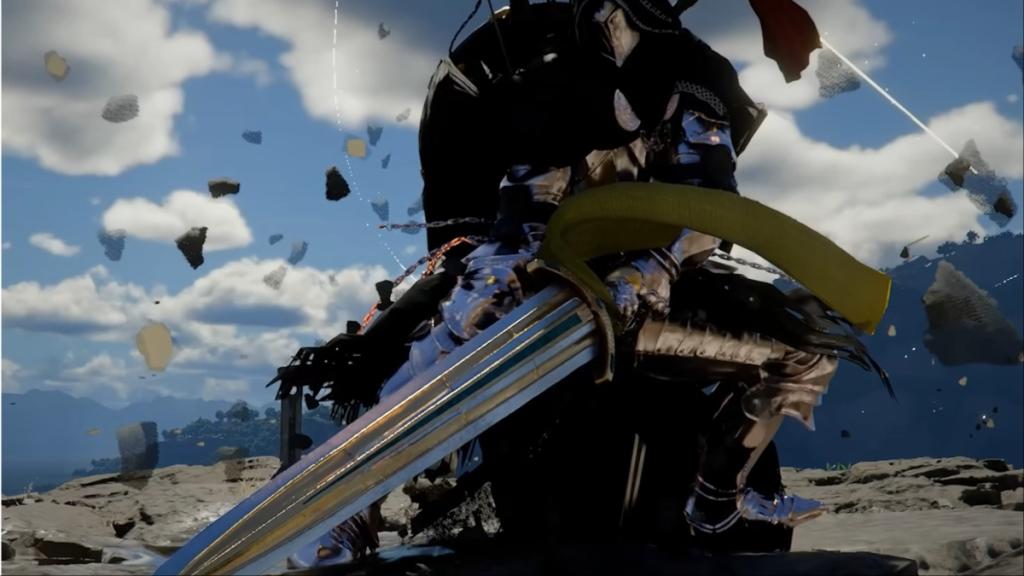
They prioritized practical fixes over PR spin. Controller tuning, bug patches, and added content arrived frequently. They also removed AI placeholder art and replaced it with human-created assets—an unpopular shortcut corrected—and leaned into community findings rather than fighting them. Even a flying stab exploit became an intentional move after community clips proved its value, a choice reflected on X by observers such as SynthPotato.
At the review pages I saw the storm clear: Reputation and the role of players
On Metacritic, Crimson Desert sits at an 8.5, and the Steam store shows roughly 80 percent positive reviews from over 62,000 responses. That’s a turnaround from early review-bombing episodes, especially in parts of Asia where initial reactions were bitter.
What mattered wasn’t just fixes; it was visible effort. Repairing trust is expensive, but cheaper than losing an audience forever. The community shifted from critic to collaborator, and that change has momentum.
Is Crimson Desert worth your time?
If you value a singleplayer story that grows richer the further you go, and you like seeing a studio iterate in public, it’s worth at least sampling. If you’re wary of rough launches, this one now reads more like a patch-log success story than a cautionary tale.
On forums I watched plans get teased: What’s next and why it matters
Pearl Abyss has roadmaps—free updates, DLC, and talk of multiplayer or co-op—and a clear pattern: continuous improvement. The company rebuilt perception through steady, visible work and community engagement.
The community went from a pressure cooker into a release valve, channeling frustration into feedback that shaped the game’s evolution. If future content keeps that rhythm, player counts should keep climbing.
I’ve been covering launches long enough to see which studios fix things and which file statements—Pearl Abyss chose the harder, quieter path of shipping fixes. That choice turned a shaky opening into a second wind for a singleplayer title, and it should make you wonder which other games might recover if their makers acted with the same speed and humility?