
I stood in line with my phone alive with review scores while kids in costumes argued about which power-up was best. The theater filled, critics’ headlines fading into the hum of excitement. By the time the lights went up, I knew the critics had misread the market.
I’ve watched openings for big franchises long enough to tell you this: numbers don’t lie even when sentiment does. Super Mario Galaxy opened to a domestic haul of $34.5 million (€32 million) on day one, according to Variety — edging past Project Hail Mary and topping the first Super Mario film’s opening of about $31 million (€29 million). That gap is small in absolute terms but enormous in signals: families showed up, and they spent.
Lobby crowds were louder than the critics — what the box office actually said
The real-world observation: lines at cinemas felt like a weekend carnival rather than a muted preview night. Analysts watching Rotten Tomatoes and Metacritic saw a mixed critical reception — critics rate Super Mario Galaxy far lower than its predecessor (a Metacritic average around 35, and just 41 percent on Rotten Tomatoes). But user sentiment on Rotten Tomatoes sits at 91 percent, nearly matching the first film’s 95 percent. I watch those gaps the way a deckhand watches a storm: they predict where the ship will really turn.
Why did critics dislike Super Mario Galaxy?
Critics often penalize structure, thematic ambition, and pacing — this film flirts with chaotic, kid-forward storytelling and pays for it in review copy. You’ll read that its plot is uneven, that the jokes skew young, and that it lacks the sharper beats that critics reward. But audiences reward spectacle, nostalgia, and an evening that leaves kids buzzing; ticket sales prove those priorities win at the box office.
Parents bought tickets while headlines debated quality — how the split happened
The real-world observation: evening shows sold out in suburbs and mall multiplexes first. The split between critics and fans is more than taste — it’s different decision-making tribes at work. Critics benchmark films against other ambitious cinema; families buy an experience. Studios and brands like Nintendo and Illumination know this instinctively — they build for the moments kids remember, and ticketing platforms such as Fandango and AMC reflect that with sold-out showtimes.
Will Super Mario Galaxy cross $1 billion?
Short answer: very likely. The film cleared $34.5 million (€32 million) day one, and if domestic momentum holds while international markets mirror family-first attendance, the film is on a clear trajectory to surpass $1 billion (€920 million). I’ve seen films with worse critical profiles climb to those heights because the audience’s appetite for franchise comfort is fierce and consistent.
Critics’ scores dropped, but commercial signals rose — why that matters
The real-world observation: a single scroll through social feeds showed glowing fan reactions after the first screenings. Critics trimmed their ratings — Metacritic slipped about 11 points from the previous Mario movie — yet fans posted reaction clips and packed showtimes. It’s a reminder that review aggregates like Rotten Tomatoes and Metacritic are one set of signals; box office and user scores tell another story. Think of critics as a museum curator and the box office as the marketplace: both valuable, rarely identical.
I don’t dismiss criticism — I track it. But when Rotten Tomatoes users sit at 91 percent and theaters are busy, you have to respect market reality. This film performed better on day one than many expected, and studios pay attention to what audiences actually do, not only what critics write.
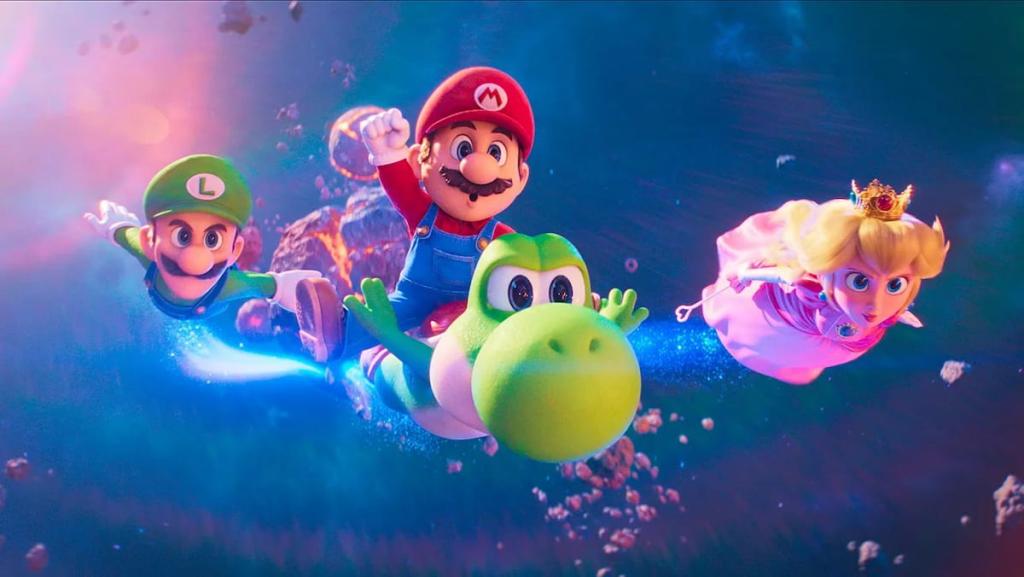
Critic reviews and industry context — the bigger picture
The real-world observation: studios now watch opening-day velocity more than opening-weekend chatter. Variety reported the day-one numbers, and trade pages reacted the way markets do — fast and decisive. The lesson for investors, marketing teams, and creators at Nintendo and Illumination is clear: opening-day strength buys time for word-of-mouth to spread, and platforms like Rotten Tomatoes and Metacritic become less decisive when owners of the brand (the paying audience) vote with their wallets.
One final thought: I’ve seen critics influence awards and cultural narratives, but they rarely stop a family from buying a ticket. The opening was a statement — a comet across pundit consensus — and fans treated it like a birthday piñata: all in and joyful. So tell me: should box office wins reset how we weigh critical opinion in 2026?