
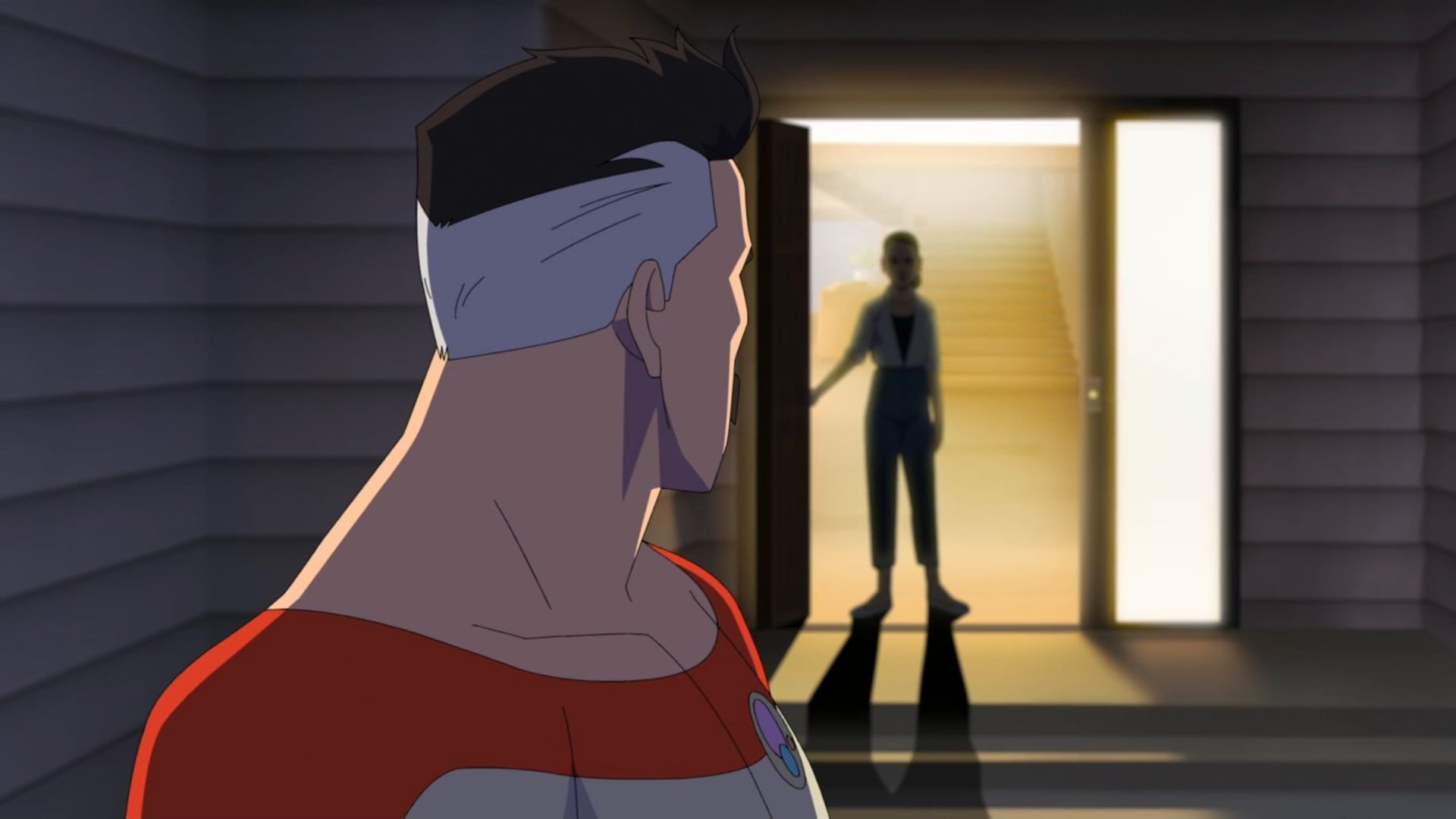
She opens the door and the room tightens—air gone thin, everyone waiting for a wound to speak. Nolan stands where he has always stood: above her, arrogant and tired. You can hear the entire street hold its breath with Debbie.
I’ve been writing about this show since season one, and I’ll say plainly: the reunion between Omni-Man and Debbie is a lesson in how a single performance can reroute an entire story. You’ve seen the clip—Sandra Oh’s voice folding and then hardening—and you felt your own memory of the character rearrange itself.
Performance on the day: I watched people pause a livestream to listen before they scrolled.
The sound edit leaves room for every syllable; the camera lingers on Debbie in a way the comics rarely afforded. Sandra Oh doesn’t merely read pain—she arranges it. You feel the apology land like a clenched fist opening, and then you watch Debbie refuse to accept that small, tidy framing.
That refusal is the scene’s power. The show could have recycled the comic’s quick forgiveness and emotional shortcut. Instead, the writers gave Debbie the space to catalog betrayal, to announce how a life was reshaped by violence and neglect. Oh’s choices—tiny breaths, calibrated pauses, the moment she stops pleading and starts indicting—turn the reunion into a reckoning.
Is Sandra Oh’s performance award-worthy?
Short answer: yes, and not just because she’s earned awards before. You hear history in her delivery—her Den of Geek interview confirmed she wept through the take—and you hear craft. J.K. Simmons’ Nolan provides the jagged edge; Oh delivers the counterweight, and together they make the scene live beyond spectacle into consequence. If awards matter, this is the sort of role that courts them: intimate, unavoidable, and written so the actor can do actual work.
At a café I overheard two fans argue about the comics and the show; their debate tells you what’s at stake here.
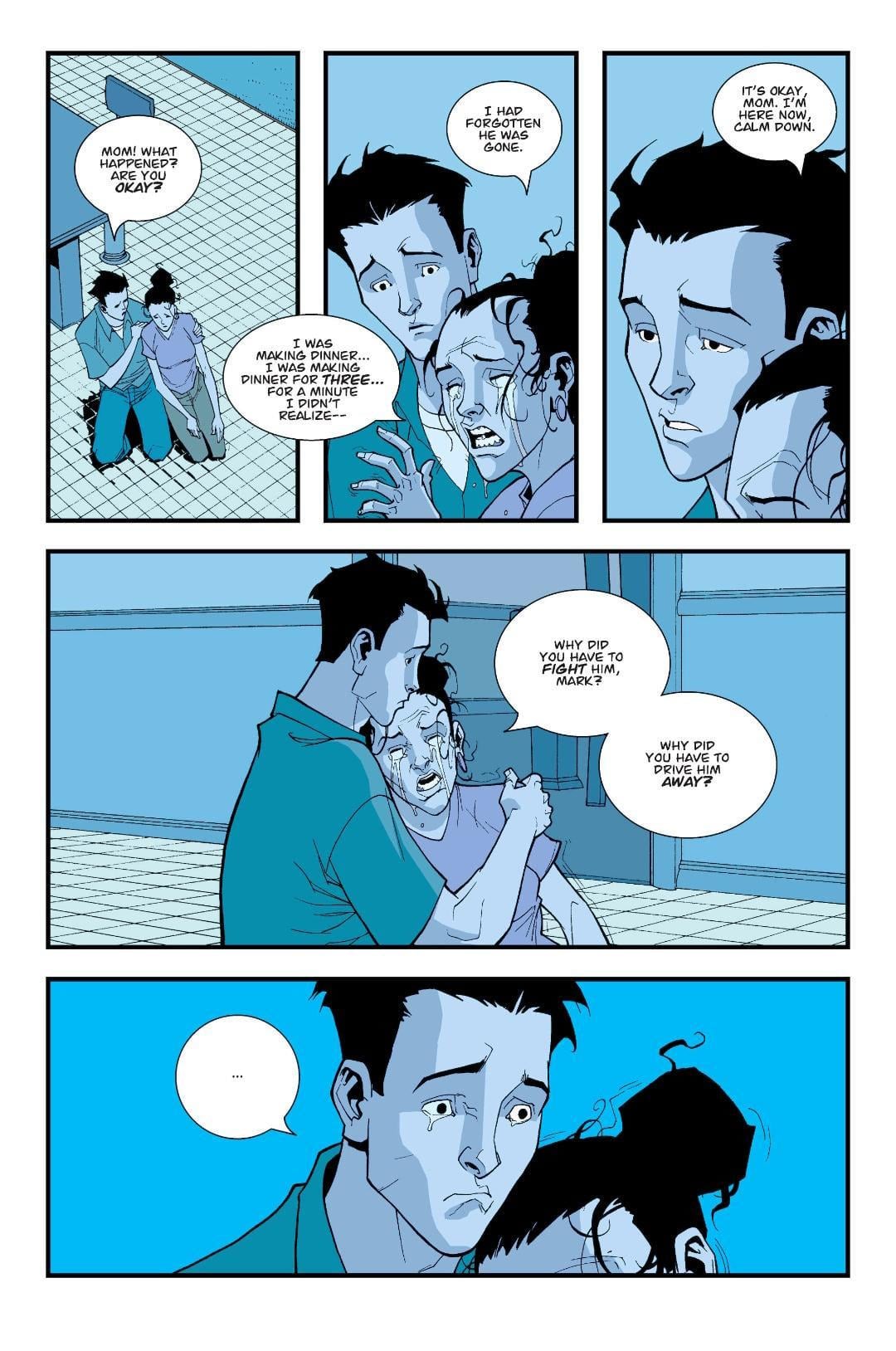
The Prime Video series is not merely translating Robert Kirkman and Ryan Ottley’s pages; it is interrogating them. In the comics, Debbie’s arc bends toward forgiveness in a way that reads, at best, incomplete. The show rewrites that beat, giving her agency and a moral center the original often denied.
That editorial choice matters beyond fidelity. The series is treating minor characters as moral anchors, and Debbie has become a litmus test for whether the adaptation will shield its women from sloppy storytelling. In practical terms, this means scenes where trauma is named, where consent and responsibility are argued over the dinner table, not smoothed away between panels.
How does the show change Debbie from the comics?
The differences are surgical. On the page, Debbie sometimes becomes a device to push Mark’s guilt; on screen, she’s a full person with contradictions, friends, and a dating life that the writers refuse to trivialize. Sandra Oh has said playing a long-running character means you don’t have to reach; you can inhabit. That longevity lets the show let her react honestly instead of reflexively forgiving Nolan.
Beyond character work, the show also invests in pacing. An animation-original episode that some viewers dismissed as filler actually gives Mark—and by extension Debbie—room to breathe, to articulate fear and exhaustion in ways the comic rarely did. That patience changes emotional stakes; the violence becomes moral work, not mere spectacle.
The production choices line up with a wider industry moment. Streaming platforms like Prime Video are measuring return on attention: moments that trend on Twitter, pieces that Den of Geek and ScreenRant dissect, clips that surface on feeds. The show benefits when actors of Sandra Oh’s caliber lean in—she’s the first woman of Asian descent to win two Golden Globes and the first Asian actress nominated for the Emmy lead-drama slot—and when writers resist easy reconciliations.
I’ll say this plainly: if you came for the fights, you can stay for the work. The reunion is not a stunt; it’s a pivot, a decision to grant Debbie the moral authorship she was denied on the page. The series treats her voice as the scene’s center, and that shift matters.
Give Sandra her flowers, all the awards, the key to the GDA building, because she DESERVES. pic.twitter.com/2ik1ne44pQ
— INVINCIBLE (@InvincibleHQ) April 2, 2026
There is risk ahead: the show must still handle sexual assault and other charged beats with care—something fans and critics like The Mary Sue are watching closely. But for now, Debbie’s confrontation feels earned, and the animation gives Oh the room to deliver a performance that redefines a character.
We can talk about animation quality and gore statistics later. For now ask yourself: if an adaptation can restore agency to a character already written small, what else might it restore that the comics left in shadow?