
I read the leaked pages and felt the room tilt for a second. You could hear the cheers on message boards before the ink dried. I kept flipping pages, waiting for a catch.
I’ve covered comic controversies long enough to tell you when a move is editorial and when it’s personal. This feels like both: Marvel just killed Paul Rabin in Venom #256, and the reaction is as instructive as the scene that ended him.

On social feeds this week, some readers celebrated—then the comic made the cost obvious
You’ve seen the clips: Torment lunges, a knife, a gasp. Paul Rabin dies buying time for Dylan, and the issue leans into the cruelty. Torment tells him no one cared. Peter Parker shrugs. Eddie Brock offers an apology for a man he barely knew.
I’m not defending every choice that writer Al Ewing and artist Carlos Gómez have made. But I want you to follow the story beats instead of cheering because a disliked character finally gets a violent exit. Narrative deaths do work when they shift other characters’ trajectories, not simply when they satisfy mob glee.
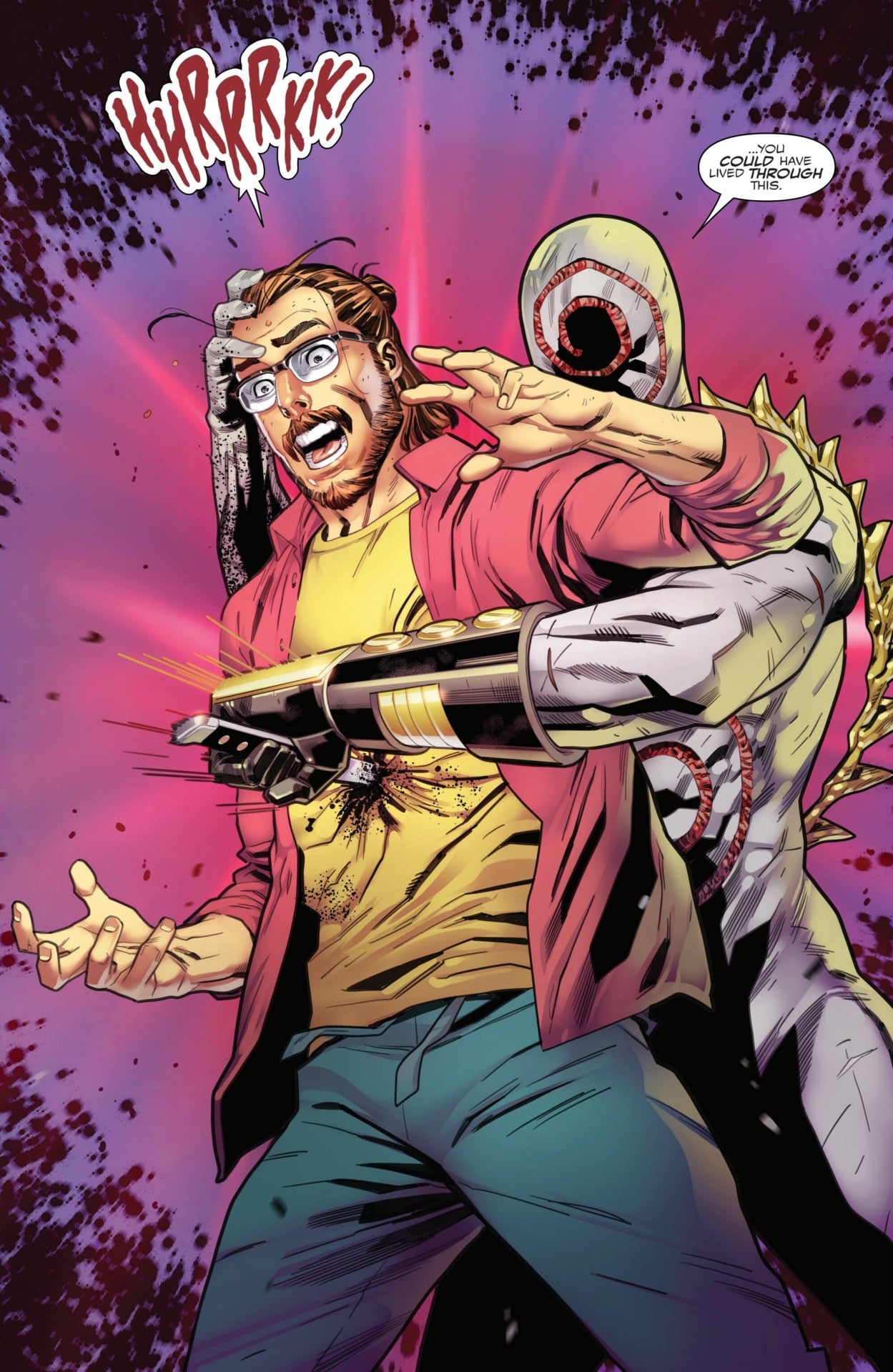
At the convention bar last year, fans argued that Paul was a narrative pressure point
He was written as the relationship stabilizer between Mary Jane and Peter, a cheap glue some readers resented. I saw that argument play out in comments and long threads. But a character who serves as a pressure release valve for serialized angst can still catalyze meaningful stakes when removed—if the creators choose ripples over applause.
In Venom #256, the ripple lands on Dylan, who collapses in Venom’s arms. The scene is raw: grief from someone who depended on Paul. If Ewing and Marvel want this to matter, they’ll follow Dylan’s arc instead of treating Paul’s death as a moment to exhale.
Why did Marvel kill Paul Rabin?
You want the motive; I want the context. Editorially, killing a minor, disliked figure clears the chessboard: it forces Spider-family characters into moral decisions without gutting flagship icons. Story-wise, Torment’s campaign against family lines needed a personal strike to make Dylan’s vulnerability real. Put simply: it’s both story engine and audience bait.
On message boards right after the spoilers, celebrations erupted—then memory set in
Yes, fans who hated Paul have been celebrating since leaked pages circulated. But you know comics: death rarely stays permanent. Even despised characters get remakes, clones, or retcons. Marvel has an ecosystem—animated projects, the MCU, and Marvel Unlimited serials—that read character value in engagement, not just final panels.
Will Paul Rabin stay dead?
I won’t promise permanence. Comic deaths are currency; they buy emotional response and, if handled poorly, burn goodwill. Editors can resurrect with science, magic, or a retcon. If Disney and Marvel see value—through retailers, variant covers, or Marvel’s digital metrics—they’ll consider resurrection a profitable option. For now, Paul is dead on the page and alive in the debates.
At my desk this morning, I thought about what this death means for Mary Jane and the franchise
Mary Jane just split from Paul after three years in an arc that tied her to the Venom symbiote. Paul’s removal refocuses MJ’s conflicts toward parenthood and grief. It hands her another test: protect Dylan or fall back into a life where she’s constantly defending love and identity.
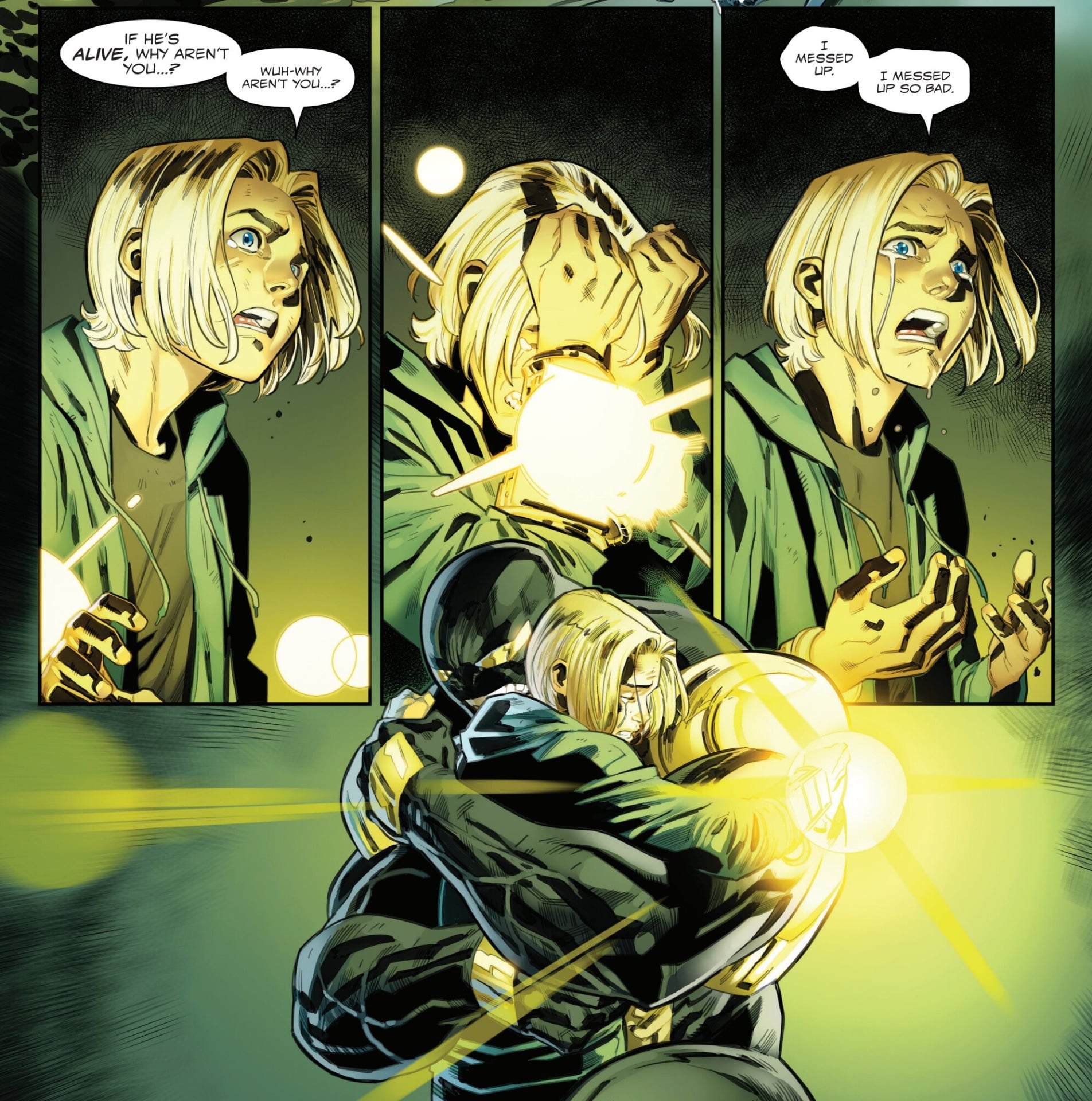
What does Paul Rabin’s death mean for Mary Jane Watson?
It complicates her story in a way a perfunctory relationship never could. Mary Jane as Venom host, grieving guardian, and former spouse to Peter now has a loss that could push her into darker or more protective choices. The creative team—Ewing, Gómez, colorist Frank D’Armata, and letterer Clayton Cowles—can either use this to deepen MJ or let it be backdrop noise.
I’ll tell you plainly: this was an editorial gamble that trades cheap satisfaction for potential dramatic payoff. You can cheer because a disliked character is gone; you can also demand that writers honor the consequences for Dylan and MJ instead of repackaging the moment for clicks.
Marvel’s moves read like someone clearing away burnt bread to see if the oven still works—sometimes necessary, sometimes petty. Comics are made of second chances and bad ones, and Paul’s death will be judged by what comes next. Will Marvel let it shape Dylan and Mary Jane, or will it dissolve into forgettable shock value like so many other moments turned into memes?
Which do you think it will be?