I dropped through a manhole and landed in a room that looked ordinary—until a spiral of neon staircases appeared beneath my feet. You feel it immediately: the map stops being a gameboard and starts being a city with secrets. I’ll show you ten builds that pull that trick off, and how you can steal the idea without stealing the fun.
You and I both know creative blocks are stubborn. So I collected the best player-made designs from Reddit, YouTube, Instagram, and X, parsed what makes them sing, and boiled each into a practical spark you can copy, remix, or beat. Treat this as a field guide—practical, opinionated, and slightly greedy for design details.
On Reddit, nostalgia is a currency people spend freely. Recreating scenes from Kanto
Players are rebuilding buildings that used to sit in fire-lit Game Boy towns. The trick is scale: keep key silhouettes—a rooftop, a tower, a sign—and let vegetation do the rest.
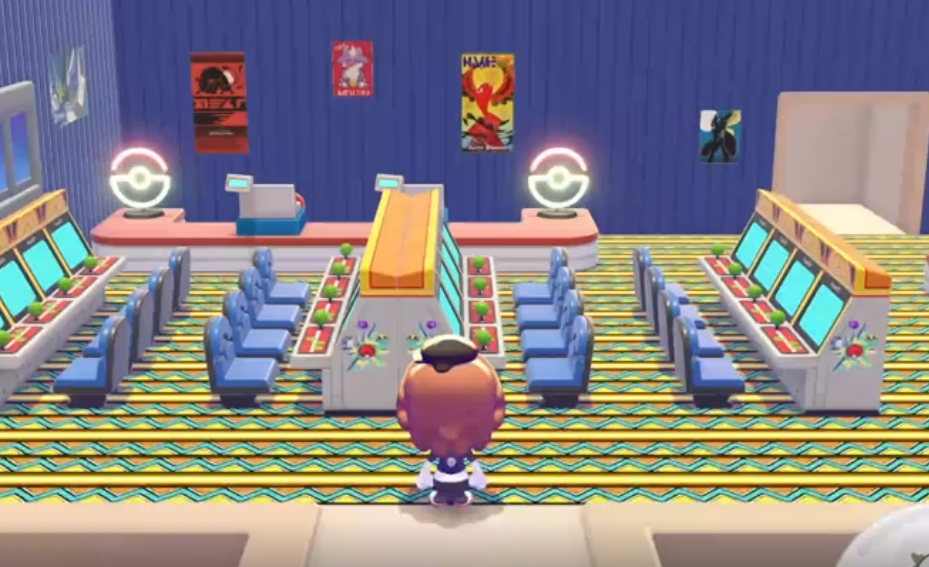
Case study: a Reddit user reworked a casino into Team Rocket’s secret underground base. From street-level it’s a neon lure; under the manhole it’s an office of mischief. That duality—public façade, private story—is the fastest way to give a small build weight.
How do I recreate iconic Kanto locations in Pokopia?
Start by photographing reference art from FireRed/LeafGreen, then block out the silhouette at 2x scale in your build. Use overgrowth to hide imperfect joins; moss and hedges read as history. If you want exact color matches, capture palettes from videos on YouTube creators like may_orangeto or clips shared on X.
On streams and Reels, color sells mood. Colorful Seaside Market
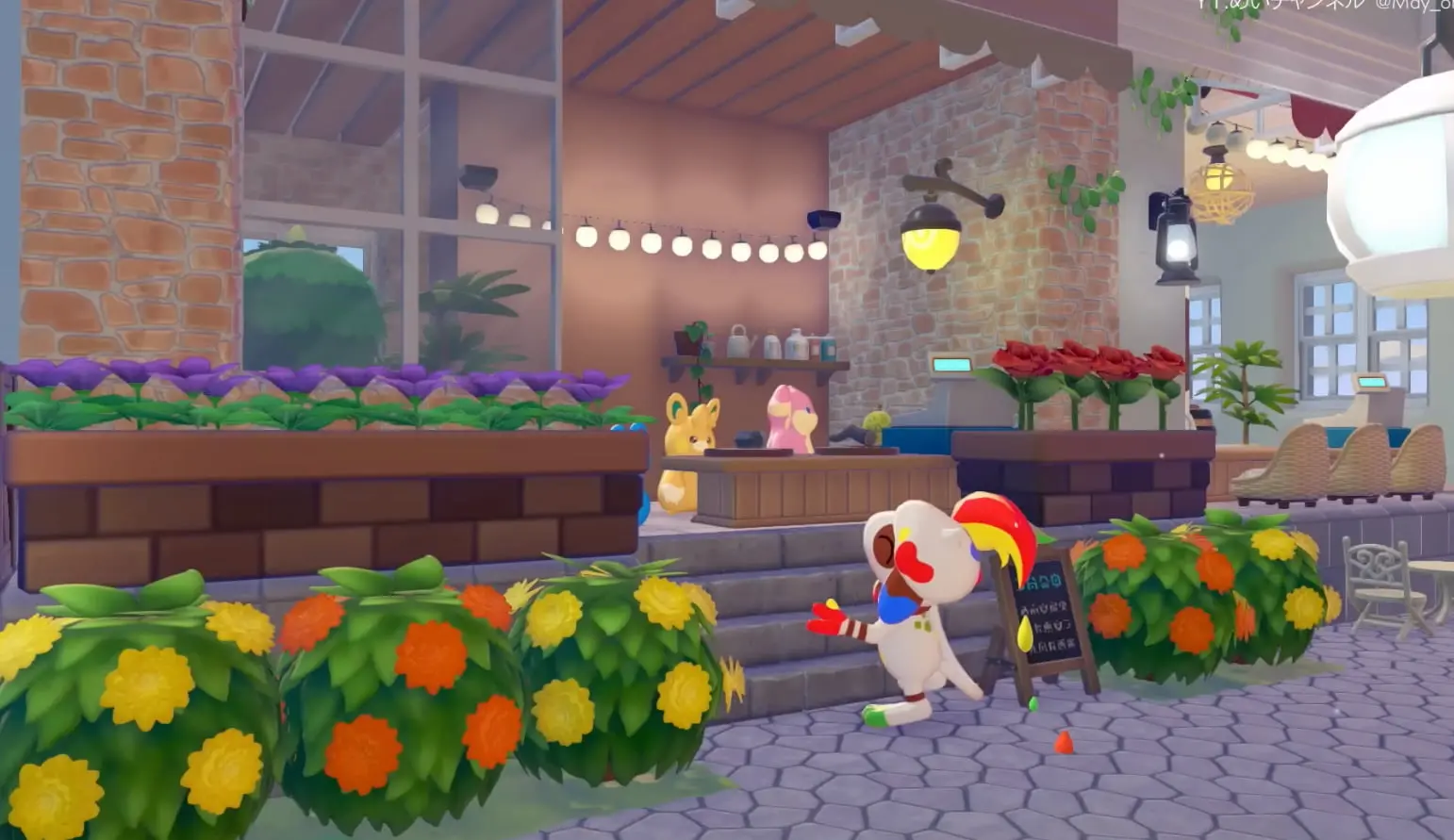
Creators are turning bleak beaches into bustling strips of color. Each stall gets its own hue; flowers and canopies unify the scene.
YouTuber may_orangeto rebuilt Bleak Beach into a canal-lined market with fruit stalls, rivers, and tiny cafés for Pokémon. If you want to copy the approach, follow their tutorial: rhythm matters—alternate bright blocks with narrow walkways to force exploration.
On X, nostalgia earns the most likes. The Game Boy House
People are turning childhood hardware into habitable architecture. It reads immediately and tugs at memory.
An X user built “The Game Boy House”: twin giant Game Boys linked by a white bridge that holds Poké Balls as trade tokens. The consoles aren’t just props; they contain furnished apartments where screens would be. For me, that kind of scale-shift is a small heartstring-pull that doubles as functional space.
Where can I find build tutorials for Pokopia?
Look to dedicated creators on YouTube, short-form clips on Instagram Reels, and build threads on Reddit’s Pokopia subreddit. Follow builders like may_orangeto, HamsDDatG, and kokoro__bookoff for step-throughs and palette breakdowns.
On social shorts, vertical space is the new frontier. Underground City
Players are excavating underused map layers and treating the underworld like a second town. Elevators and stair chases glue their scenes together.
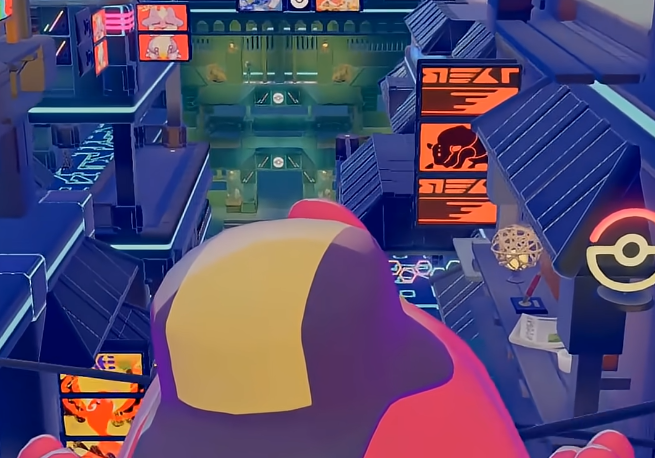
HamsDDatG’s clip shows neon signs, lamp-lit roads, and restaurants buried beneath the earth. Treat verticality as a second canvas: lighting and sign density will sell the city’s mood.
At conventions, nostalgia meets spectacle. Jurassic Park
Builders are creating dinosaur enclosures and pairing them with appropriate Pokémon. Big fences, observational platforms, and tall palms do most of the work.
You can befriend Tyrantrum and Aurorus in Pokopia; builders like jaychang0127 on Instagram have posted enclosure ideas that mimic cinematic parks. Think controlled chaos: a few roaming predators with designated viewing points keeps the fantasy believable.
In slow-craft streams, patience shows. Spirited Away Bath House
Players inspired by Studio Ghibli are building multi-story wooden complexes with balconies, lanterns, and heavy floral ornamentation.
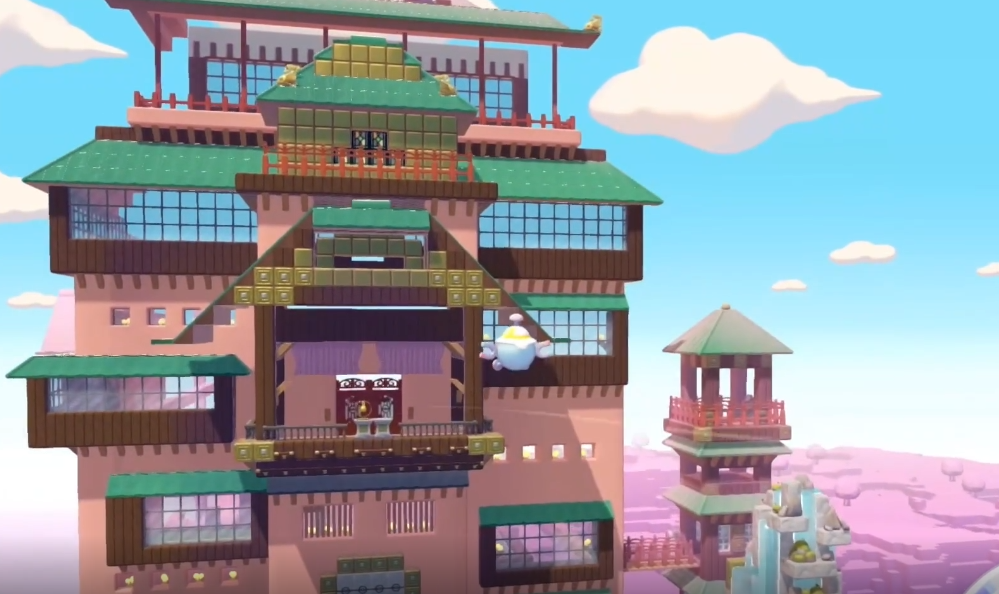
marymerryhappy’s WIP mirrors the movie’s layered façades and gardens. If you try this, break the build into modules: a ticketing wing, a bath wing, and a garden—then fit them together like puzzle pieces.
At LAN parties, people always build tracks. Mario Kart, but make it Pokémon
Someone turned Graveler into a kart and laid a racetrack of hairpin turns and hazards. Narrow lanes force risk and reward.
A racetrack is a playground for emergent gameplay: place obstacles that favor different transformations and suddenly your racetrack becomes a meta-game.
On r/Pokopia, things get weird quickly. Maximum security prison
Someone built a prison specifically for Mr. Mime after the community decided the Pokémon is unsettling. The build is intentionally over-secure and theatrical.
The lesson: design with narrative in mind. If you want people to react—anger, laughter, discomfort—lean into it. A single disturbing inhabitant can set the tone for an entire district.
At festivals, audience design matters. A concert stage for DJ Rotom
Players are turning gyms into sold-out venues, complete with lighting rigs and inflatable crowd simulacra.
NegativeCreeq packed their venue with Inflatable Sudowoodos as concertgoers. Designing a crowd—static or animated—gives any show a sense of scale that no single performer can.
In workshop tours, function earns respect. Storage room
Practical builders post Instagram Reels showing tidy storage systems with labels and stair-step arrangements for easy access.
alexiaray’s system uses labeled boxes arranged like a staircase; each box stores a different material group. This acts like a workshop OS—you save time and reduce friction.
I treat inspiration like a greenhouse of ideas; you seed something simple, then heat, prune, and wait. If you prefer structure, think of the map as a lighthouse in fog—place anchors (landmarks, plazas, transit points) and the rest will orient itself. Which build would you copy, sabotage, or improve first?