
In a quiet test lab this January, a lap-belt anchor gave way. Someone on the bench crew froze. The failure turned a compliance checkbox into an alarm bell.
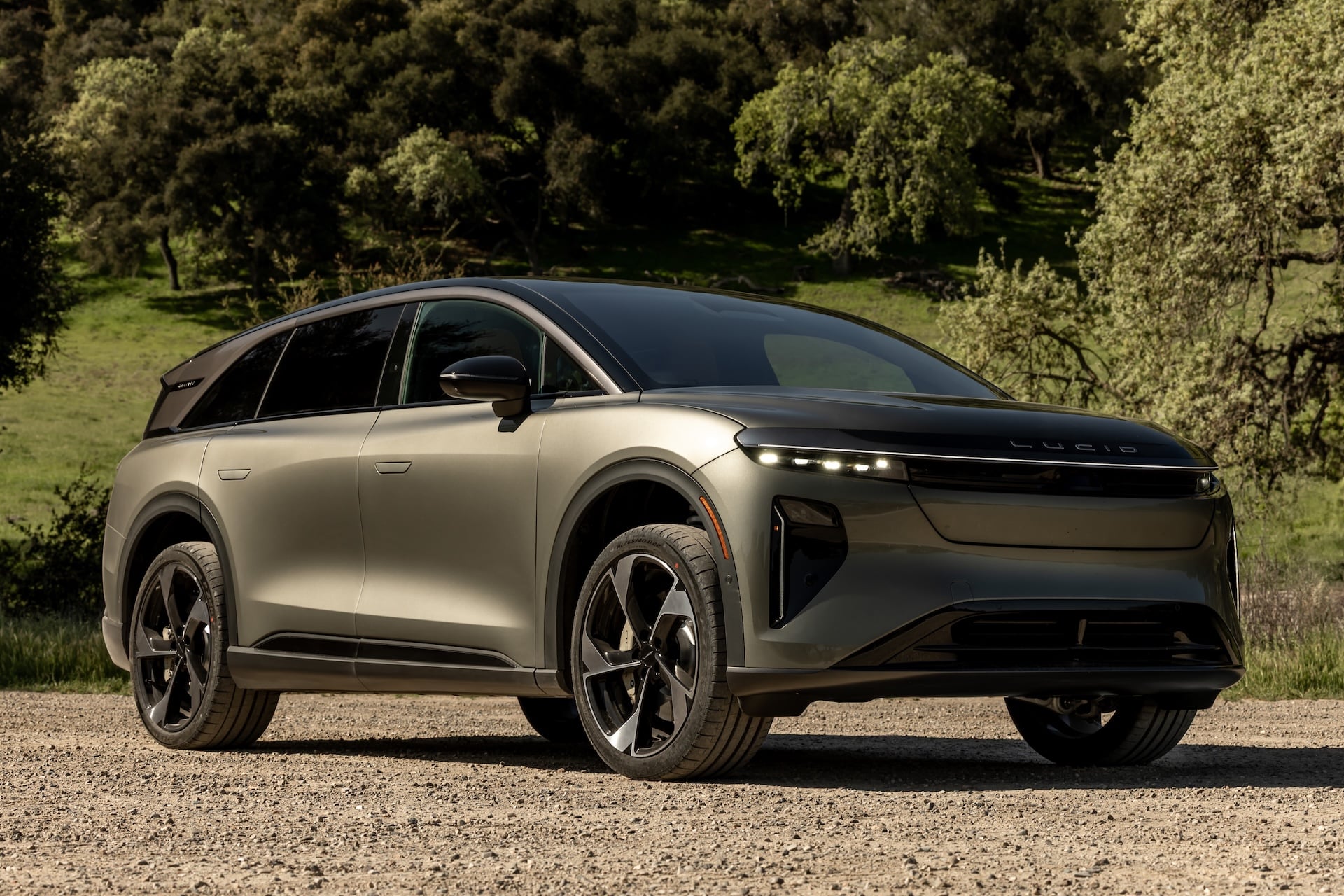
I read the March 26 filing with the National Highway Traffic Safety Administration, and you should too: Lucid Motors is recalling 4,476 Gravity SUVs built between December 2024 and February 2026 because second-row lap belt anchors were welded incorrectly and can fail in a crash.
A lab fixture failed under load. What the filing reveals
The NHTSA document says welds on the second-row lap belt anchors may be incorrect, letting the bracket separate under crash forces. Lucid spotted the defect while testing an unrelated issue in January; the anchor failed in that test even though prior compliance checks had passed. No injuries have been reported to Lucid or the agency so far.
A delivery spreadsheet and a dealer lot. How many cars are actually affected?
Lucid lists 4,476 Gravity SUVs in the recall. Analysts estimate the company delivered roughly 800 units to customers by the end of 2025 based on Lucid’s full-year filings, but the precise split between dealer inventory and owner cars isn’t public. The recall covers models manufactured from December 2024 through February 2026.
How many Gravity SUVs are being recalled?
4,476 vehicles are listed in the NHTSA recall—a figure Lucid will use to send owner notification letters by May 22 for inspection and free repair.
A clipboard on a service counter. What owners should expect next
Lucid will mail owner notification letters by May 22 instructing vehicle inspection and repair at no charge. If your Gravity is in the affected build window, you’ll get a letter or a contact from a dealer. The fix is an inspection and, where necessary, rework of the welded anchor brackets.
What exactly is wrong with the seat belts?
The issue is workmanship: the lap belt anchors on second-row seats were welded incorrectly, creating a risk the brackets could separate in a crash and fail to restrain occupants.
A showroom pitch and a fleet contract. Why this matters for Lucid’s future
The Gravity is Lucid’s second production model and its biggest commercial bet since the Air sedan. Priced from $81,000 (€75,000) at base, the Gravity competes with luxury electric SUVs from Cadillac, Rivian, and Volvo, and fills a gap left when Tesla paused Model X production.
There’s more at stake than sticker price: Uber announced a January deal that includes a commitment for 20,000 vehicles over six years and a $300,000,000 (€276,000,000) investment in Lucid. The Gravity also underpins plans for lower-cost SUVs aimed at rivals like the Rivian R2 and the Tesla Model Y.
Will Lucid repair the cars for free?
Yes. Lucid will inspect and repair affected vehicles at no charge after owner notification. The NHTSA filing is the formal channel for that process.
I’ve tracked recalls and manufacturing hiccups across Detroit and Silicon Valley, and this one reads like a loose thread in a tailored suit—small at first, but able to pull at the whole seam. For customers it’s a technical fix; for investors and partners it’s a test of quality control and responsiveness.
If Lucid handles the recall quickly and transparently—working with NHTSA, dealers, and fleets like Uber—the Gravity’s launch momentum could hold; if not, the misstep may feel like a hidden landmine under the floorboards for reputation and fleet deals. How do you weigh a safety recall against a company’s broader promises: tolerance for early production faults or a red flag that demands a harder look?