
Something brushes past the airplane window — a chainsaw, a grin, a moment that shouldn’t exist. I watched the panels drop into the middle of Dandadan‘s airborne chaos and felt the floor tilt under two different timelines. You can tell, immediately, that this isn’t a cameo tossed in for cheap fan service; it’s a deliberate nudge from one generation of mangaka to the next.
I write this as someone who follows Fujimoto’s orbit closely, and you already know the names: Tatsuki Fujimoto, Yukinobu Tatsu, Shihei Lin, Mappa, MangaPlus, and the troupe of assistants who’ve scattered across modern shonen and seinen. You also follow the threads on X/Twitter; the post from Shihei Lin promising a surprise sent fans into a feeding frenzy. I want to walk you through what happened, why it matters, and what it signals for the creative pipeline in manga today.
There was a plane fight on page 199 — then Denji arrived
The plane battle in Dandadan chapter 199 already reads like someone poured a blender of genre staples onto a tray: typhoon-human, Mongolian Death Worm, airborne sharks. Midway through that chaos, Yukinobu Tatsu drops Denji and Beam into the frames.
The scene reads like a glitch in continuity that somehow fits: Denji stumbles in from his own Reze arc struggle, locks eyes with Vamola through the plane window, and within a few pages both chainsaw and beam are in the ocean being rescued by a lifeguard. Denji is a live wire — always sparking trouble.
Is Denji’s cameo in Dandadan canon?
Short answer: mostly not, at least if you apply tight chronological logic. I checked the timeline: Chainsaw Man‘s events sit in 1997–1999 while Dandadan drops cultural markers from the 2010s, like a tabloid with Barack Obama on the cover. Bonus chapters in Dandadan are usually treated as near-canon asides, but a straight cross-series continuity is impossible without bending time.
Fans reacted on X and online like it was an Easter egg hunt
The teaser from Shihei Lin — “Don’t miss the bonus manga featuring an unexpected appearance by ‘that character!'” with a shark emoji — read like a teaser trailer for people who can read between the panels. Screenshots and fan art spread fast; the original tweets and translations amplified the moment.
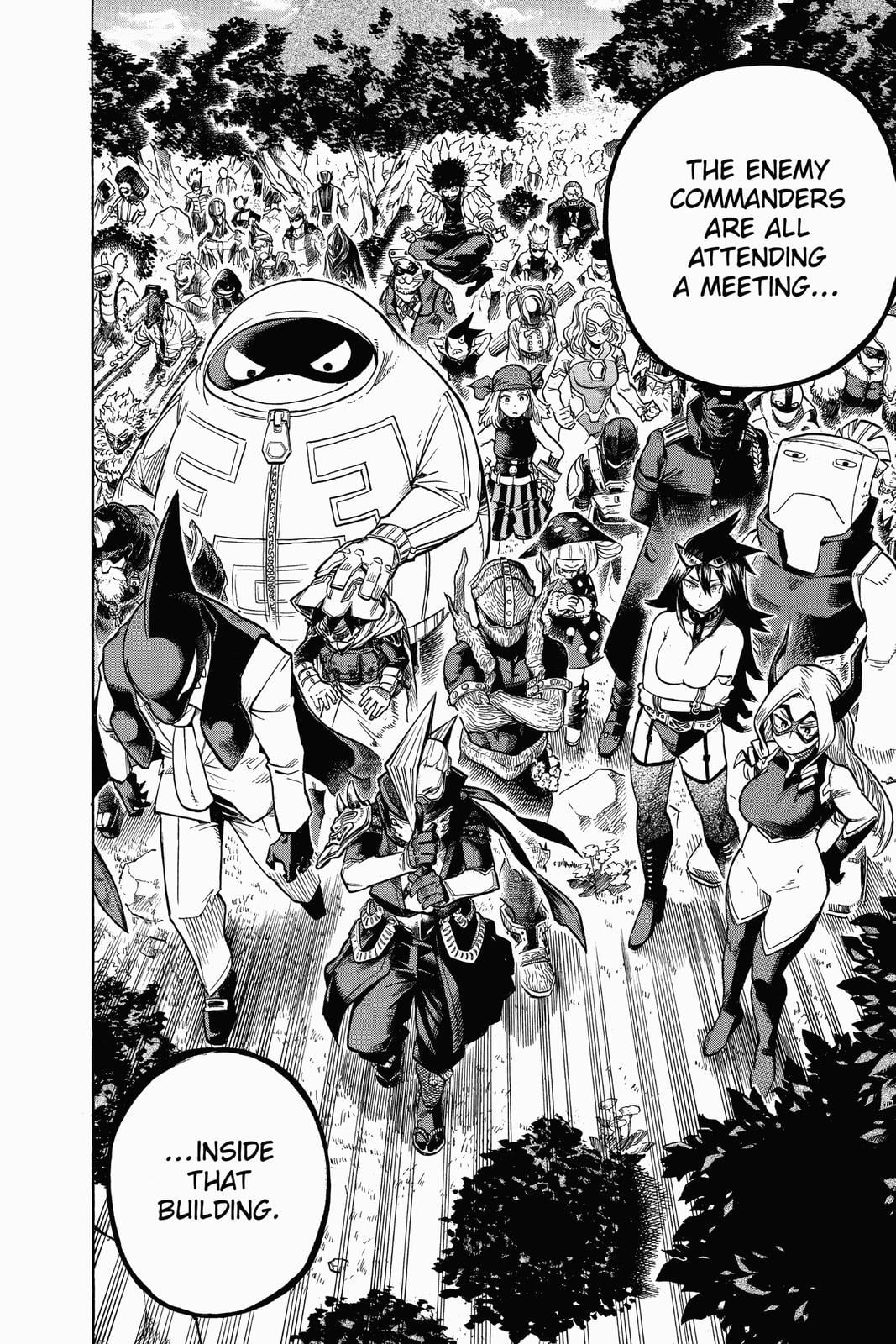
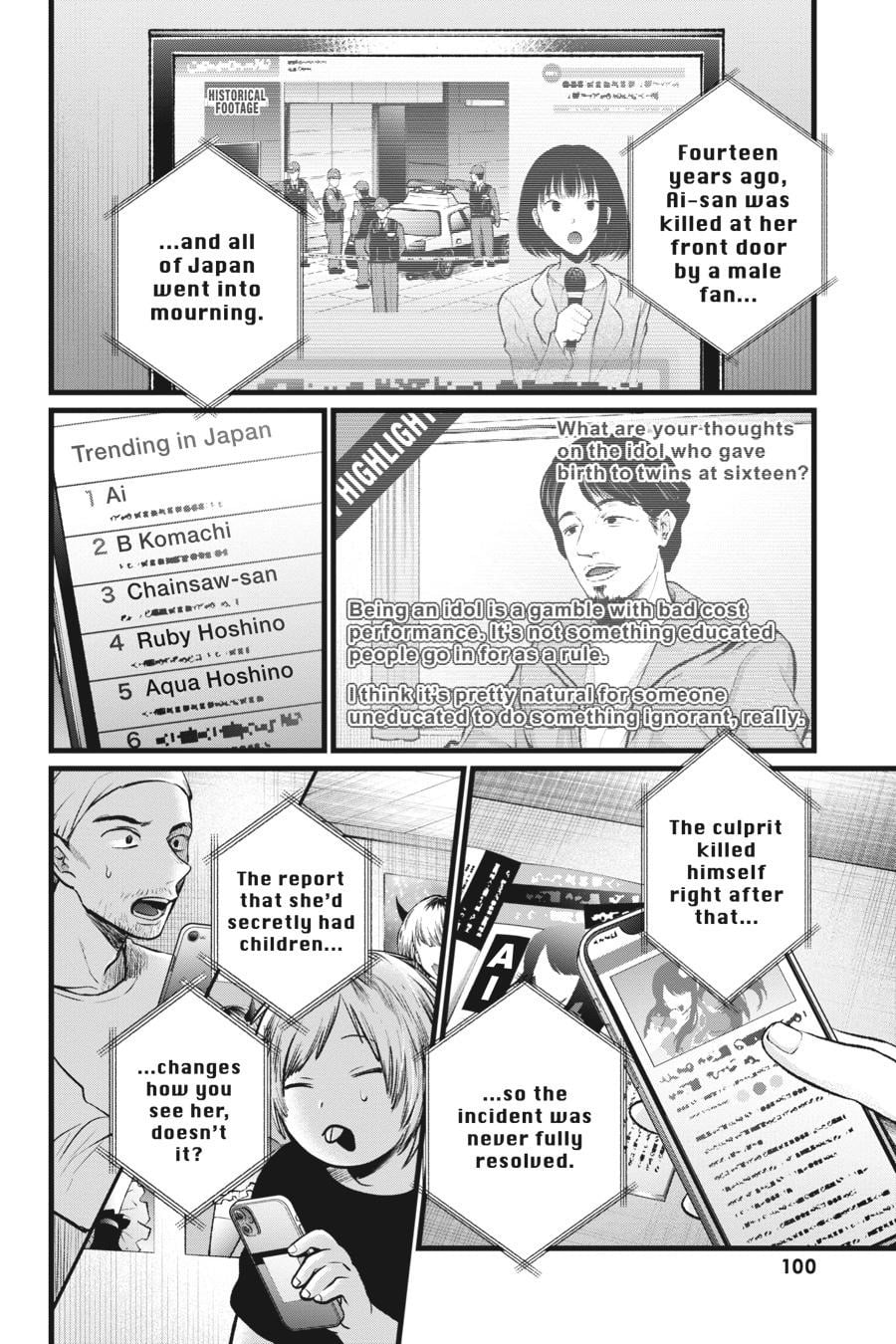
If you scrolled through replies and retweets, you’d see laughter, wistful wishes for friendships between Denji and the Dandadan crew, and a steady stream of comparisons to other crossovers: Kohei Horikoshi’s Denji cameo in My Hero Academia, Mengo Yokoyari’s nod in Oshi no Ko, Clay Mann’s Absolute Batman variant that riffs on Chainsaw Man (a variant that can sell for $20 (€18) or more among collectors).
Why did Yukinobu Tatsu draw Denji into Dandadan?
You can file this under gratitude and playful homage. Tatsu started under Fujimoto, assisting on Fire Punch and Chainsaw Man. This cameo reads like a student painting their teacher into their own classroom scene — an inside joke with teeth.
There’s also the creative culture Fujimoto fostered: he treated assistants as colleagues and friends, not just tools. That mentorship produced mangaka who now headline their own series — Yuji Kaku (Hell’s Paradise), Tatsuya Endo (Spy x Family), Oto Toda, Tohru Kuramori, and Tatsu among them. Fujimoto’s influence is a tidal wave reshaping younger mangaka.
Timing, tone, and why this cameo feels like a signal
The real-world observation: cross-series cameos aren’t new, but they used to read as wink-and-nudge fan service. This one arrives with different weight because of Fujimoto’s status and his assistant network.
When Denji wanders into Dandadan, it does more than make fans grin — it underscores how mentorship circulates ideas. You can trace stylistic affinities across titles now: a certain loosening of panel rhythm, a taste for the absurd, characters who oscillate between human comedy and grotesque violence. That shared language strengthens a generation’s creative vocabulary.
Will this affect Chainsaw Man continuity?
Practically, no. Canon-wise, the timelines don’t match and the cameo functions as a playful aside. But culturally, yes: the cameo extends Chainsaw Man‘s afterlife. It keeps Denji in conversations, memes, and the visual shorthand of modern manga — which matters for publishing buzz, merchandising, and anime anticipation.
The industry snapshot: what publishers and studios notice
Editors at Shueisha and anime studios like Mappa are watching these ripples. Real-world sales and streaming attention follow cultural velocity: cameos keep titles trending, feed new audiences into back catalogs, and give licensors extra leverage for variant covers, anime seasons, and overseas deals.
You already saw how editors and creators tweet, tease, and amplify. Shihei Lin’s original X/Twitter nudge set the signal flare; fan screenshots and translated commentary did the rest. Platforms like MangaPlus and IGN pick up the story, and the echo reaches Western creators — illustrated by Clay Mann’s cover reference and Mengo Yokoyari’s public fan art moments.
How you should read this if you care about manga culture
Notice where your attention goes: the cameo isn’t a plot pivot, it’s cultural signaling. It shows how a mentor’s influence propagates and how a franchise can remain active in public imagination without new volumes or official crossovers.
Collectors, critics, and fans will keep debating canonicity, but the concrete effect is clear: cameo content fuels discovery. Fans of Dandadan might open Chainsaw Man; fans of Fujimoto’s work might follow Tatsu’s next moves. That circulation is how new hits are born and how careers accelerate.
Dansaw Man!
Denji and Beam fight the Typhoon human in the Dandadan Volume 23 extra pic.twitter.com/YN3VzYvAna— ᑭᗩᖇᗩ? | HAIL TO THE KOUKI!! (@Planktonism) April 2, 2026
The cameo also underscores a practical truth: if you want to track influence, watch where assistants land. Their careers are maps of stylistic contagion. You can see it across titles — Hell’s Paradise, Spy x Family, Centuria — and you can point to specific panels that carried a mood or an idea forward.
Vamola isnt the friend Denji wants but the friend he needs. No agendas, no mental issues, jus fun vibes for the love of the game pic.twitter.com/FakaizRG5n
— 𝕍𝕁 ☆ (@VjDontMiss) April 3, 2026
Small moments, big echoes
Observing the market, you notice how tiny gestures feed larger narratives. A bonus chapter here, a variant cover nod there, and suddenly public perception shifts.
This cameo keeps the conversation alive during Mappa’s second-season production and gives creators in Fujimoto’s circle a shared shorthand to reference. If you collect panels, follow creators on X/Twitter, or track anime production slates, this is the kind of micro-event that multiplies into headline traction and fandom lore.
If you want the clearest signal from this cameo: it’s a reminder that influence travels through people, not just pages. You can track it through tweets, through assistant credits in magazine sections, and through surprise bonus chapters that make you grin and then start a conversation — so which creator will borrow Denji next and what will that say about the next wave of manga?