I was watching the emote hit the Fortnite item shop and thought: how did a concert move end up as a courtroom fight? You’ve probably seen the clip—an NSYNC-era choreography that now costs pixels and sparks subpoenas. The claim landed like a pebble in a still pond.
I’ll walk you through what happened, who’s in the crosshairs, and why a single dance step has become a legal lightning rod. I’m writing as someone who follows gaming lawsuits the way some people follow box office weekends—you want the quick read and the parts that matter.
On a 1999 NSYNC stage, the move debuted — the choreography’s origin story and the award that tethered it to pop culture
The move was first performed during a live NSYNC concert in 1999 and later featured in the “Bye, Bye, Bye” music video. Choreographer Darrin Henson earned an MTV Award for Best Choreography for that routine, and the sequence has been replayed, memed, and sampled for decades.
Henson now says the choreography predates the music video and that he never transferred ownership. Sony Music Holdings claims rights tied to the music video it controls, and that conflict over provenance is what landed paperwork on a federal docket on March 27. You can feel the strain between creator rights and corporate catalogs when a move becomes both cultural shorthand and a licensed asset.
Can choreography be copyrighted?
Yes, under the 1976 Copyright Act, choreography can qualify for protection—but only if it’s original and fixed in a tangible form. Berklee Online and other legal commentators note the line is fuzzy: short or commonly used steps often don’t clear the originality bar. That ambiguity is exactly what makes Henson’s suit interesting; the court will parse whether this sequence is distinct enough to be his sole property.
On a Fortnite screen, the dance turned into digital merchandise — how the move jumped from pop video to Epic’s storefront
Epic Games turned the choreography into an official Fortnite emote after Sony licensed the move to them, according to reporting by Complex. The emote then circulated inside Fortnite’s economy and social spaces, exposing the choreography to millions of players.
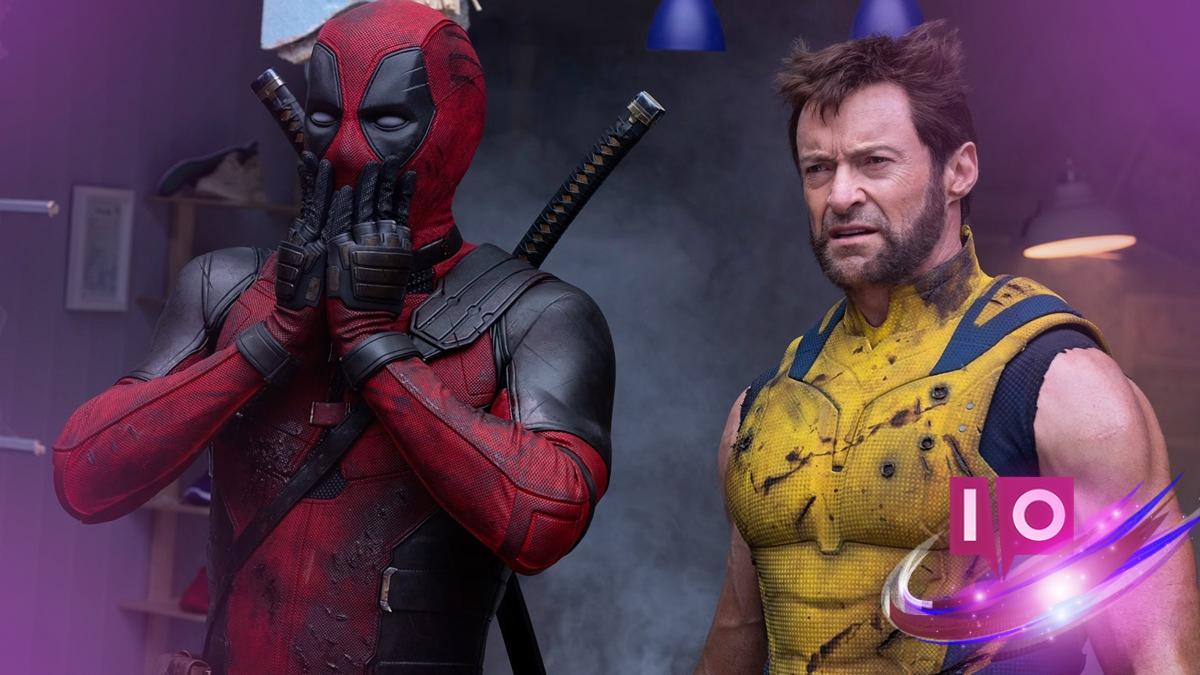
Henson’s complaint targets Sony Music Holdings, not Epic or Marvel. Still, the suit points at secondary beneficiaries: the actor Nick Pauley, whose performance in the film Deadpool & Wolverine carried the steps on screen, and the way the move is now being associated with the movie rather than NSYNC. That shift in cultural association is part of Henson’s grievance: his choreography, he says, has been rebranded without his consent.
Who owns the Bye, Bye, Bye choreography?
Henson claims he’s the “rightful owner” and wants a court declaration to that effect plus any profits tied to recent uses. Sony maintains ties to the music video and, by extension, believes it has licensing authority. The dispute will hinge on contracts, transfer language, and historical records—who signed what and when.
On a courthouse docket, a small move can carry big legal consequences — what this lawsuit could mean for creators and platforms
The litigation touches three hot topics: creator attribution, corporate licensing practices, and how digital platforms like Fortnite monetize culture. The legal paperwork reads like a map stitched with red tape, and courts will need to decide whether choreography can be parceled and traded the same way a song or a film clip can.
For Epic, Fortnite, and other platforms that routinely license emotes or use short-form moves, there’s a practical concern: licensing chains must be clean, or companies risk repeat suits. For choreographers, a favorable ruling would strengthen claims to control and profit from their work across media. This isn’t the first dance-related case tied to Fortnite—the game has faced multiple suits before—but this one flips the target toward a music-rights holder rather than Epic.
Why is Sony being sued over a Fortnite dance?
Because Darrin Henson alleges Sony Music Holdings licensed his choreography without his permission and profited from that license. He’s asking the court to recognize him as the sole owner and to award any profits tied to recent uses. The suit aims to redraw lines around who can legally package and sell a movement.
I want you to watch how the next filings read and which contracts surface—this case could quietly change how creators get paid when their work goes digital and viral. Who ultimately profits when a step becomes an item in someone else’s store?