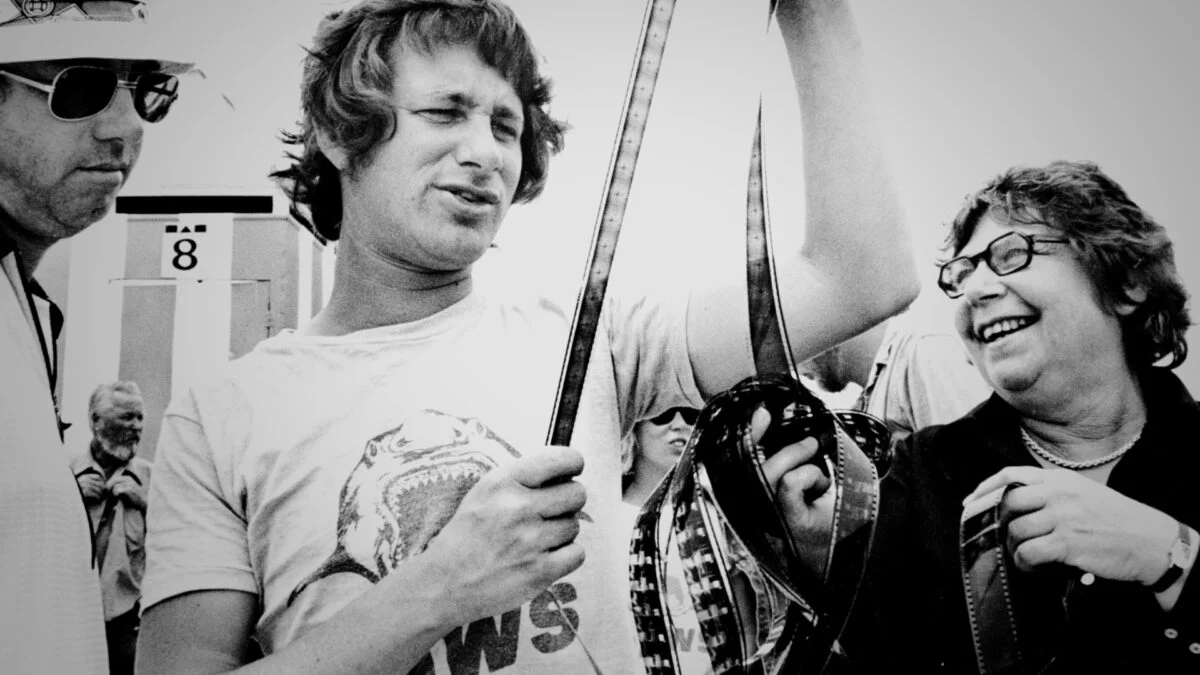
I remember sitting in a theater when the lights dropped and silence grew loud enough to hear a breath. You felt the room tighten—tiny hairs rise—before the first scream. Steven Spielberg just told Empire he still wants to make a horror film someday.
I’m going to be blunt with you: Spielberg’s name is shorthand for thrill. Jaws and Jurassic Park gave generations genuine nightmares, and even the debated authorship of Poltergeist keeps his fingerprints on the spooky stuff. But hearing him say he still hopes to direct a straight horror film is more than nostalgia—it’s a promise that the scare is unfinished.
In a packed lobby you overhear someone say “that movie still haunts me.”
That sentence is a small, true moment I’ve heard after screenings of Spielberg’s films. He told Empire he hasn’t yet taken the director’s chair for a full horror movie because other filmmakers have already made work that satisfies the need he has to terrify audiences.
He singled out Zach Craggs’s Weapons, saying it “satisfies me so completely” that it dims his urge to make something darker than what he’s seen. That’s a powerful admission from an Academy Award winner whose brand helped define modern cinematic fear. You can hear the respect: Denis Villeneuve’s Dune series won his admiration too, and Spielberg openly praises the way those films honor Frank Herbert’s novels.
Has Steven Spielberg ever directed a horror film?
Short answer: not exactly. You can trace horror threads through his career—Jaws is horror by any standard, Poltergeist carries his imprint though Tobe Hooper is credited, and even Jurassic Park trades in terror. But a pure, intentional horror film with him at the helm? He hasn’t done that yet.
On a festival stage you see a director accept applause for a film that scares you without cheap tricks.
That moment explains part of Spielberg’s hesitance. When a peer delivers a film that frightens as well as it’s crafted, the itch to prove you can be scarier fades. Weapons acted as that kind of example for him—so precise it dimmed his own desire, like a lighthouse beam slicing fog.
He argued that seeing a complete, brilliant horror project doesn’t spur competition; it offers relief. For someone with Spielberg’s track record—Amblin, Universal partnerships, decades of tentpole work—the risk-versus-reward equation looks different. He’ll admit he still wants to try, but he’s picky about what would justify his name on a credit that promises fear.
Will Spielberg direct a horror movie?
He says he may “someday.” You should take that as both a tease and a guarantee of taste: he won’t rush into territory already handled better by others. And because he’s friends with contemporaries like Denis Villeneuve, and has access to early screenings—Spielberg joked that he’ll likely see Dune: Part Three early—he has a steady reference point for what scares and what satisfies.
In a trailer you notice a single frame that stops you cold.
That’s the tiny, teachable moment Spielberg has always studied. His films engineer tension in small increments, scored and framed to attach fear to memory. If he decides to direct horror, expect craft over shock; he refines dread like a locksmith turning a key.
There are practical reasons, too. Horror can be low-budget and high-return—something studios track on Box Office Mojo and streaming platforms—but Spielberg holds a certain legacy brand that shapes audience expectations. His choice would ripple through studios, festivals, and services like Netflix and HBO, and spawn conversations across outlets from Empire to Variety.
He’s not closing the door. He told reporters he still has the curiosity and that certain films satisfy him so fully he’s content to watch others push the genre forward. For you, the viewer, that means Spielberg’s eventual horror film would arrive rarified and deliberate, not rushed or tossed together to chase a trend.
If a director who built his career on spectacle finally chooses to helm a pure horror piece, will it change how you think about fear on screen?