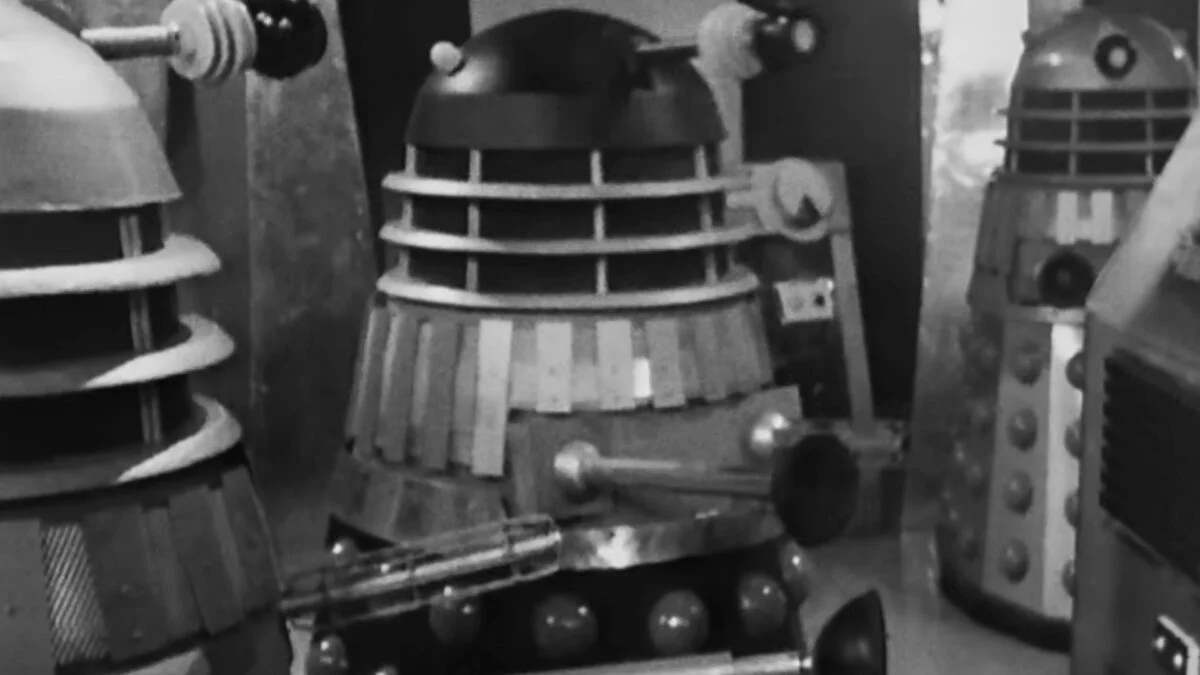
The projector stuttered, then steadied. For the first time in more than 60 years, William Hartnell’s Doctor was back on a London screen. The room went quiet as two long-lost episodes rolled into view.
I follow media recoveries the way some people follow court cases: closely and with a stubborn curiosity. You can feel the stakes—missing episodes are not just nostalgia; they are fragments of broadcast history that can vanish without a trace. What happened with these two reels suggests this is not a closed case.
At a London screening, the crowd held its breath. What the Film is Fabulous! team found changes the recovery playbook.
You probably read the Radio Times brief: Film is Fabulous! unearthed cutting copies from a deceased collector’s holdings. Paul Vanezis explained on the panel that these prints were not the standard overseas distribution reels but technical review copies used before duplication.
That matters because it widens the pool of possible survival paths. If cutting copies existed for this serial, other productions once thought unrecoverable may have likewise spawned unexpected duplicates. This discovery is a lighthouse in a fog for people who track missing television.
Are more missing Doctor Who episodes likely to be found?
If you want a measured take: yes, it is possible, and the reasons are practical. Many recoveries in the past decade came from international broadcasters, private collectors, and film processing labs. Organizations such as Kaleidoscope, the BFI, and the Doctor Who Restoration Team have built networks and methodologies that turn single finds into leads.
I would not promise a cascade of finds overnight, but the landscape has shifted. The key players—collectors, preservation groups, and the BBC archives—now talk to one another more often, and digital cataloguing tools make screening old lists faster than sifting paper logs alone.
At a film collector’s storage, dusty boxes hid the surprise. The mechanics of this recovery reveal how luck and procedure intersect.
The recovered prints were described as cutting copies, not foreign distribution reels. That detail tells you two things: one, there may have been more copies than archivists assumed; two, those copies could have been sent to places not commonly checked in past searches.
Consider the routine that produced them: a tape went to a lab for inspection, a print was marked for review, and then the copy left the BBC’s chain of custody. Over decades, ownership changes, estates are cleared, and items surface in unexpected places. The film collector community—people who trade and preserve 16mm and 35mm reels—are now having their holdings reappraised because of this find.
How were the two episodes recovered?
The short answer is serendipity plus a method. Film is Fabulous! examined a deceased collector’s cache and identified the prints; Radio Times covered a screening where Paul Vanezis gave context. From there, preservationists documented and digitized the frames. Teams like Kaleidoscope and the BFI often coordinate restoration and verification work once provenance is confirmed.
At an archive desk, a log entry can change a search plan. What collectors and institutions should do next is simple and practical.
If you hold old broadcast reels or even labeled boxes, take photographs, log identifiers, and reach out to preservation groups. The barrier between private ownership and public preservation is often just communication. You, as a holder of old media or an interested observer, have more power than you think—reporting a find can trigger catalog checks, lab reviews, and eventual restoration.
The discovery feels like a cracked time capsule opened carefully and catalogued. Restoration teams now have higher confidence that other material thought lost might exist in atypical formats or unexpected hands.
Where can I watch recovered Doctor Who episodes?
Once verified and restored, recovered episodes typically surface in a few places: public screenings (like the Radio Times event), special releases from the BBC, archival platforms such as the BFI, and authorized Blu-ray or digital collections assembled by the Doctor Who Restoration Team. Clips and contextual pieces may appear on BBC platforms or vetted YouTube uploads, but full releases usually follow authentication and rights clearance.
I’ve spent years tracing similar recoveries, and what matters now is momentum: preservation groups, collectors, and the BBC have a clearer map of where to check next. If you own a stack of labeled reels, take a moment to inspect them; you might be holding one of the missing pieces.
Want more io9 news? Check out when to expect the latest Marvel, Star Wars, and Star Trek releases, what’s next for the DC Universe on film and TV, and everything you need to know about the future of Doctor Who.
Will the next unexpected find rewrite what we thought was lost from Doctor Who’s earliest years?