
I booted a remaster and felt the usual thrill hollow out into a tax on nostalgia. You know the moment: the logo blooms and nothing new arrives. I kept thinking about what studios could do if they stopped polishing the same hits.
I don’t hate remakes as a craft; I hate how the industry uses them. You and I have watched giant teams vanish for years inside one property while fresh ideas wait in the lobby.
Why do companies remake games instead of making new ones?
Because predictable money beats risk in boardrooms. A modern AAA remake can top $100 million (€92 million) in budget, and publishers treat those figures like safe bets—brand recognition, proven assets, guaranteed headlines. Square Enix and others funnel talent into incremental returns instead of funding bets on risky new teams or experimental engines like Unreal or proprietary tools.
I once played a promising game whose camera betrayed it, and the whole thing felt unfinished. What bad games should we remake?
You and I should stop assuming remakes are only for classics. Some middling games—6s and 7s—had the bones of something memorable but suffered from direction, pacing, or baffling design choices. Dark Souls 2 is the clearest example: a title that taught designers lessons later used for Elden Ring yet never quite gelled on its own.
Think of remaking those games as surgical restoration, not repainting a billboard. Fix the camera, tighten the encounters, rework loot and progression where it feels hollow. The result could be a title that keeps the spirit of the original but reads as fully formed—like cleaning a delicate painting with a pressure washer, but with a conservator’s touch. FromSoftware’s own evolution under Hidetaka Miyazaki shows what happens when iterative fixes are aimed at systems, not just textures.
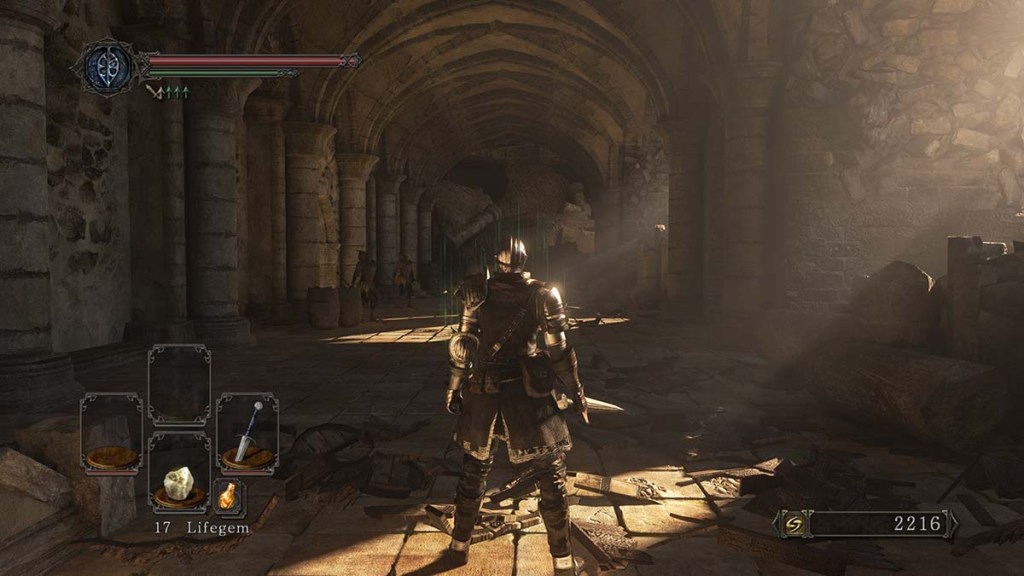
Which flawed games deserve remakes?
Not every failure qualifies. Look for titles that sold respectably, featured distinct ideas, and suffered from one or two fixable problems: clumsy controls, busted camera, confused pacing, or poor networking. Legacy of Kain: Defiance Remastered is an accidental model—its team rebuilt major chunks of the game to make the camera work, and the result felt like a newly-born entry rather than a trimmed rerelease.
When modders on Steam or GOG can’t patch a game’s core problems because the code or engine is hostile, that’s a signal. If a remake team can retool AI, rebalance progression, and reframe narrative beats, a 6/10 can become something worth recommending to friends.
I remember the Mass Effect 3 ending controversy turning into a petition, and it still felt like a bandage. Some bad games should be left in the dust
Fixing a specific failure—an ending, a boss, a UI—doesn’t always redeem a game that was hollow at its core. Mass Effect 3 had an infamous ending, and changing it helped some players but didn’t rescue sloppy arcs or inconsistent worldbuilding. The lesson: don’t throw cash at a title whose problems are structural, not cosmetic.
Mass Effect: Andromeda is another caution. Brand alone didn’t make it great; retooling facial rigs or dialogue trees can’t mask a fractured design philosophy. Sometimes studios should let certain experiments stay buried so teams can move forward with new IP rather than repainting failure.
Can remaking a bad game boost innovation?
Yes—if the remake is treated as an act of invention, not nostalgia. Reworking a flawed title forces teams to confront design debt: rewrite systems, lean on modern engines, and use player telemetry from Steam, PlayStation Network, and Xbox Live to prioritize fixes. That kind of work trains studios in surgical iterations that can fertilize new ideas.
Remakes done right are not just revenue plays; they are laboratories. They let smaller teams practice radical rework without risking entirely new IP, and when they succeed they show the industry a cheaper route to meaningful change than pouring hundreds of developers into another safe sequel.
There’s a practical playbook here: pick games with salvageable systems, give them focused budgets, let a tight team refactor code, and launch on platforms that reward community feedback—Steam, GOG, and consoles. Think of it as taking a rusted engine to a master mechanic: you keep the character, you replace what’s broken, and you get the car running like it should.
Finding the perfect bad game to revive is a choice few publishers will make without pressure. But if more of us—players, journalists, and small studios—start asking for intelligent rescues instead of endless remakes of the same top sellers, the industry might finally invent within its constraints. Which flawed game do you think deserves a second chance?