
I remember standing on the Promenade when Luther Sloan smiled, offered a polite lie, and rewired a room without anyone noticing. Minutes later I realized the Federation’s brightest ideals had a secret back alley where people did the hard math of survival. You feel that same cold when a file marked Section 31 slips across your eyes.
I write about spies the same way analysts study code: you trace fingerprints across systems and you always ask who benefits. If you read this as a field guide, I’ll show you which organizations run reconnaissance, which run deniable violence, and how each agency mirrors real-world tools from the CIA playbook to Palantir dashboards.
The Spies of the Federation
In real life, democratic nations often separate visible intelligence from covert action to preserve plausible deniability.
Within the Federation that split is obvious: Starfleet Intelligence is the agency you can almost point to on a Starfleet org chart, auditing threats, cracking signals, and running human intelligence. Its shadow twin, Section 31, behaves like a surgeon’s hidden scalpel—precise, surgically secret, and hated for when it cuts.

What is Section 31?
Section 31 operates as an autonomous black-ops cell that can act without Starfleet’s official blessing. Think of modern agencies where clandestine wings borrow tactics from the CIA and MI6; Section 31 borrows their moral ambiguity. I’ll tell you plainly: it’s where the Federation keeps options it cannot admit to—covert bio-research, preemptive strikes, and information control when diplomacy fails.
Starfleet Intelligence, by contrast, is more like an internal affairs unit crossed with signals intelligence: formal channels, legal cover, and the occasional bureaucratic nightmare. You should read their conflicts as the Federation wrestling with its own ideals versus realpolitik; those fights tell you more about the society than any battle scene.
The Spies of the Klingon Empire
Authoritarian and honor cultures often stigmatize spying while still relying on it heavily behind closed doors.
The Klingons keep a lean, feared service simply called Klingon Intelligence (sometimes called Imperial Intelligence in expanded sources). Their operatives are trained to swap faces and stories to infiltrate other societies; when an agent is exposed, exile and dishonor follow—punishments as public as any battlefield verdict.
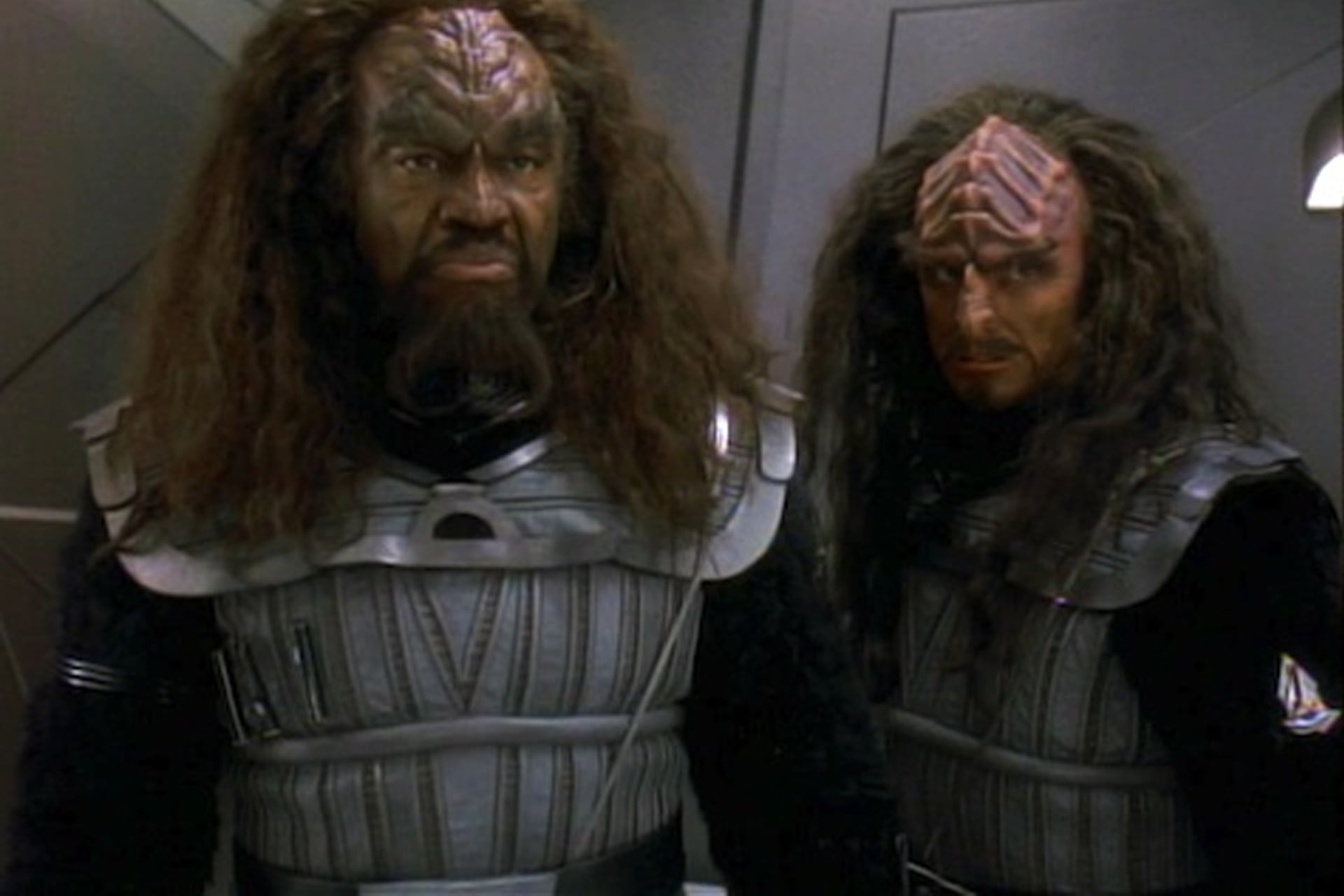
If you want practical takeaways: Klingon intelligence is less interested in subtle influence and more in tactical advantage and honor-judgments. They adapt quick, and they punish quicker—think less cryptanalytic tradecraft and more targeted deception that can change a Great House’s fortunes overnight.
The Spies of the Romulan Star Empire
States that fear dissent often build surveillance into the sinews of governance.
The Romulans institutionalized their paranoia into the Tal Shiar, a force that behaves as secret police and external intelligence in one. The Tal Shiar’s reach often outranks the Senate; it can override elected bodies and prosecute loyalty as if it were treason. In my reporting you see echoes of real-world intelligence services that grew enormous enough to shadow their governments—think cold dossiers, black ops, and a security culture that eats reform for breakfast.
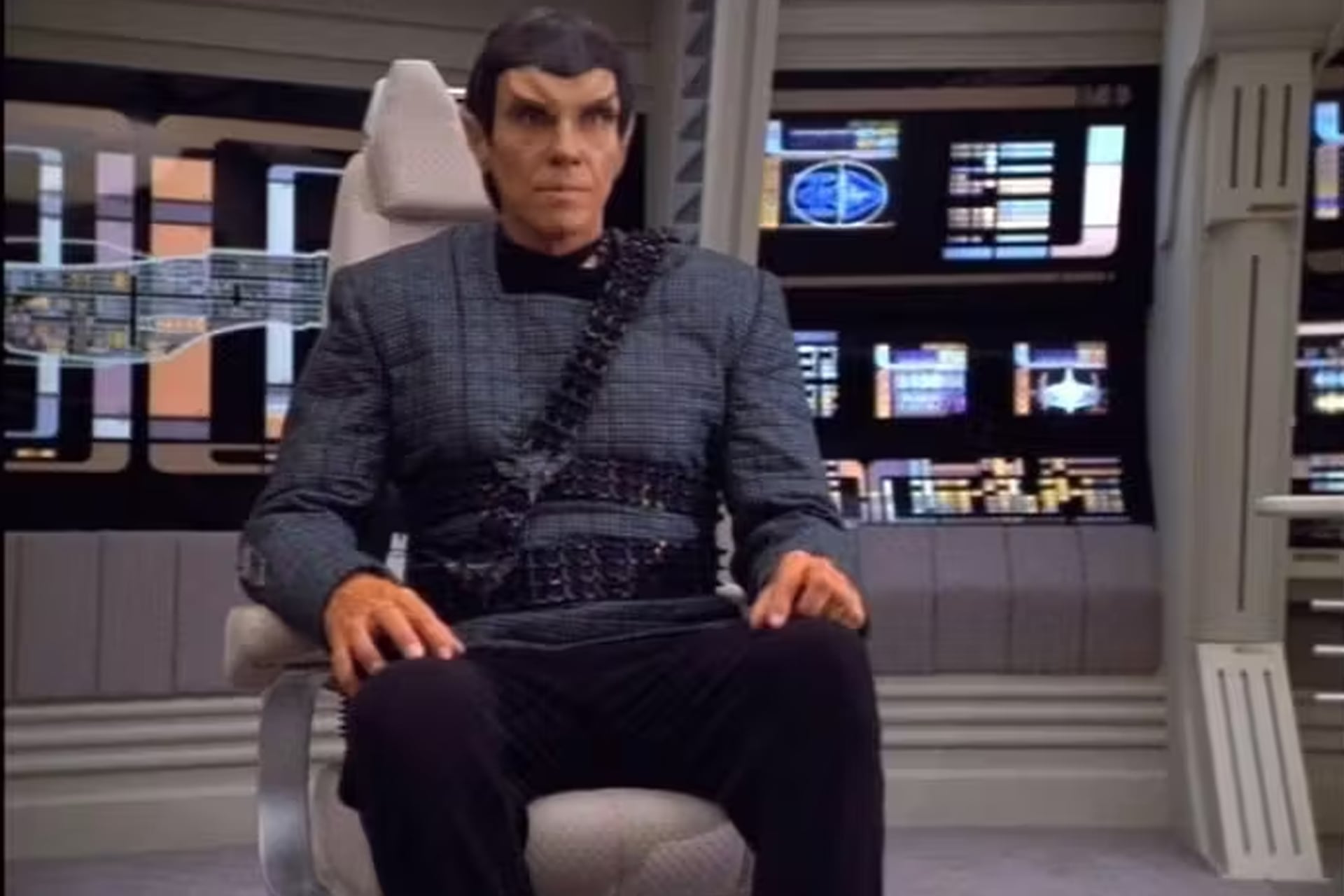
How powerful is the Tal Shiar?
Very. The Tal Shiar can dictate policy, crush political rivals, and wage clandestine campaigns without public accountability. Their survival through the destruction of Romulus and reconstitution inside the Romulan Free State shows institutional resilience similar to how historical secret police can outlast governments. You should read the Tal Shiar as a warning: a security service that becomes the state is rarely friendly to dissent.
Picard’s revelation of the Zhat Vash—a sect within Romulan secrecy obsessed with anti-synthetic purity—adds another layer: factions within factions. That’s a lesson in organizational entropy: the more covert power accumulates, the less transparent the motives, and the more dangerous the outcomes.
The Spies of the Cardassian Union
Some states police their own citizens more than their borders; the intelligence organs reflect that inward focus.
The Obsidian Order is Cardassia’s signature example: a brutally efficient agency that ran on cells so compartmentalized operators often didn’t know each other. Its obsession with internal surveillance rivaled the Tal Shiar’s external reach. When the Obsidian Order allied with the Tal Shiar to strike the Dominion, they behaved like two predators coordinating a hunt—and the outcome was catastrophic when the Dominion turned the trap back on them.
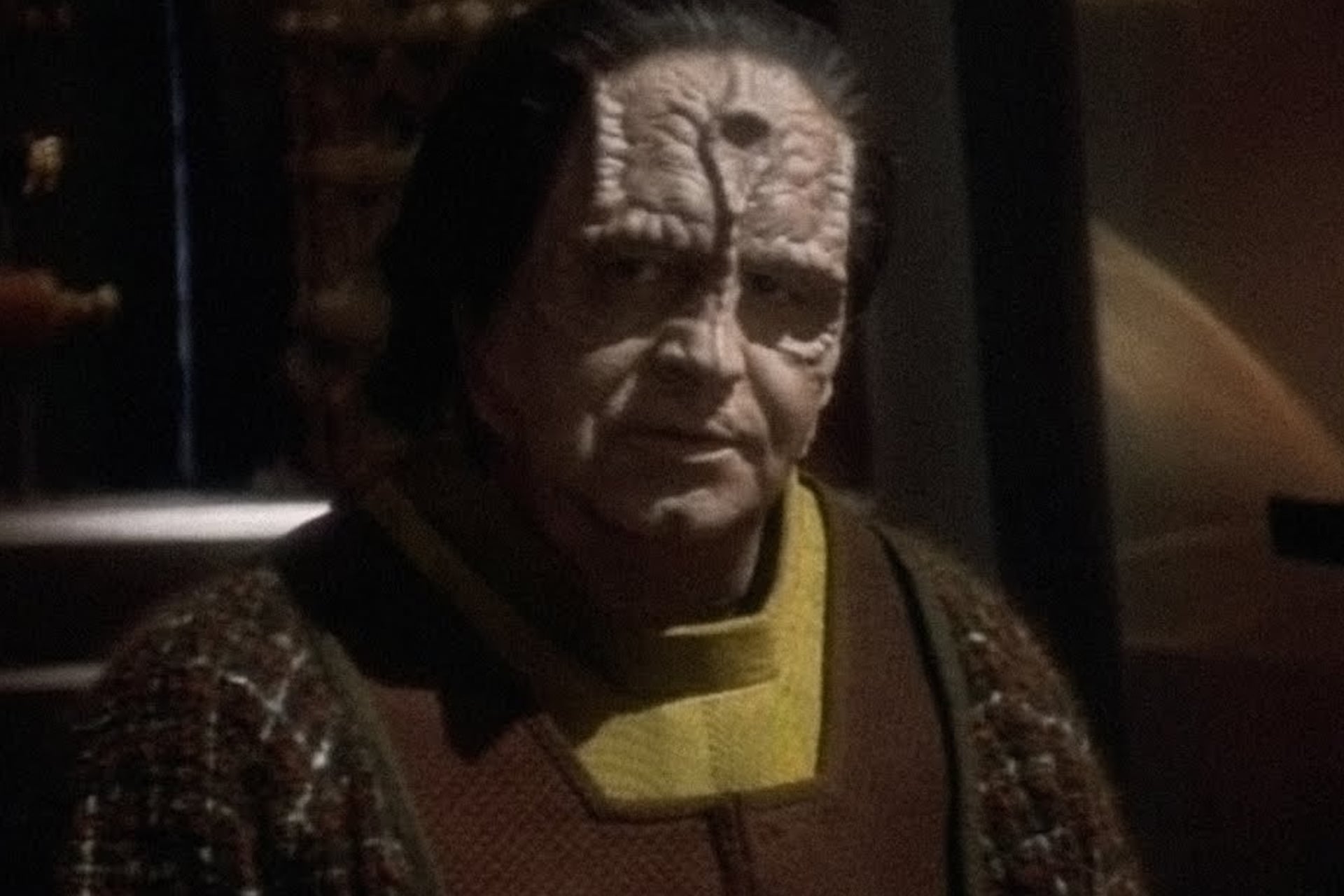
Who ran the Obsidian Order?
Enabran Tain personified the Order’s reach and moral rot: a manager of secrets who could bend institutions to his will. When the Obsidian Order fell at the Omarion Nebula, the collapse created a vacuum that contributed to Cardassia’s political upheaval. After the loss, the Order’s place was taken by the Cardassian Intelligence Bureau, which carried on the practice of crushing dissidents—an answer to what happens when repressive systems reboot under a new name.
The Spies of the Dominion War
Wars amplify intelligence activity; conflicts are laboratories for espionage and counterespionage.
The Dominion introduced Dominion Intelligence, built to patrol the Gamma Quadrant and prosecute internal threats. On the other side, Bajoran Intelligence grew into a centerpiece of wartime operations, leveraging local expertise against Cardassian codes and Dominion networks. The conflict made spycraft unavoidable; every side had to match signals analysis with human sources, much like modern cybersecurity teams pairing SIEM tools with HUMINT operators.
When you map these agencies against real-world counterparts—CIA clandestine ops, NSA signal intercepts, Palantir-style data fusion, and In-Q-Tel investment patterns—you see an ecosystem where technology, politics, and moral choices collide. I want you to watch those collisions: they reveal priorities more clearly than manifestos ever will.
If you were to teach a class on Starfleet versus the Tal Shiar, what single case study would you open with to spark debate?