
I opened an email at 6 a.m. and a single frame stopped me cold. A fedora, a cigarette, and a neon horizon that didn’t belong to any era I knew—suddenly a whole decade of expectation tightened into one image. If you follow Brad Bird’s work, you felt that tug too.
A courier dropped three images onto my desk this morning.
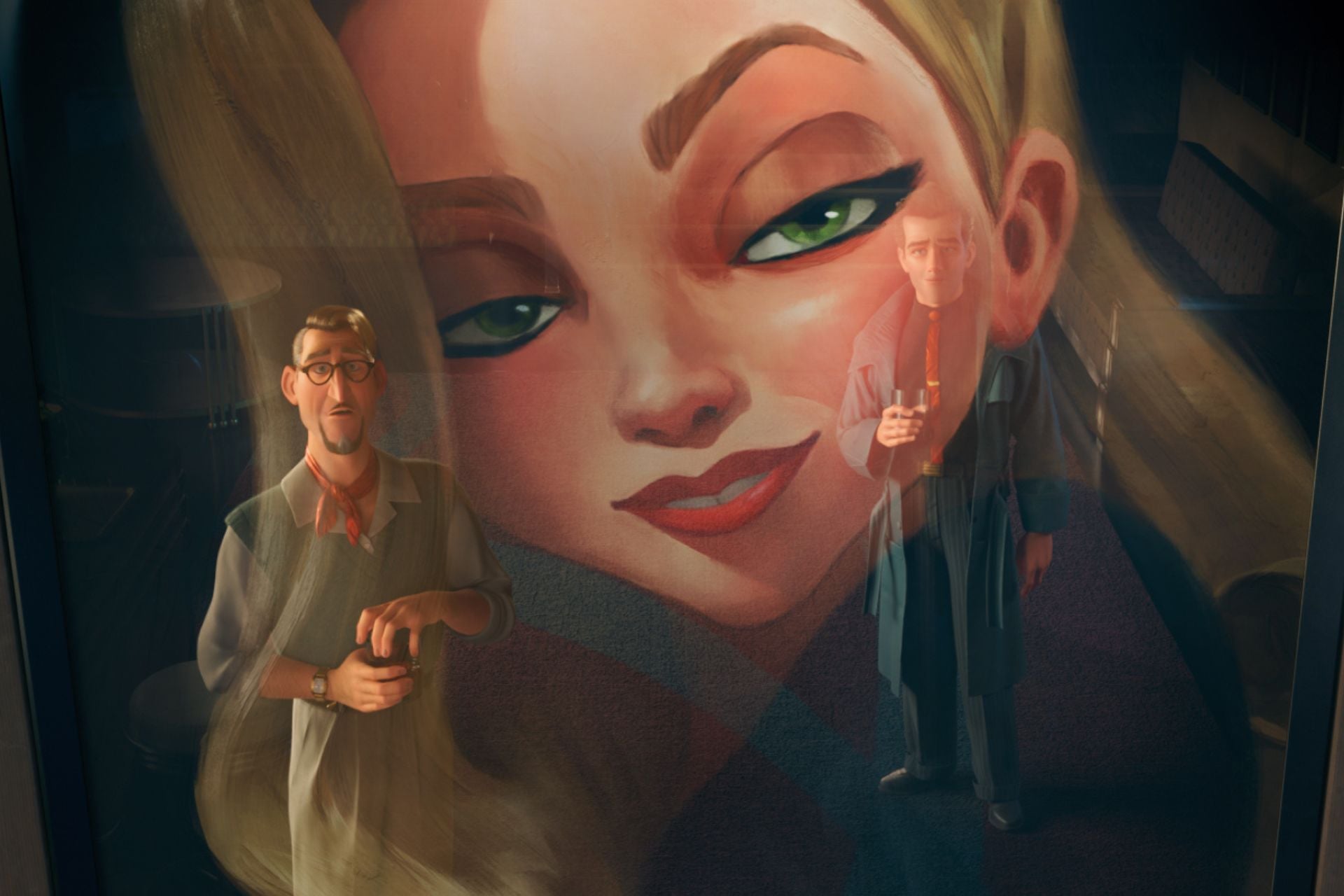
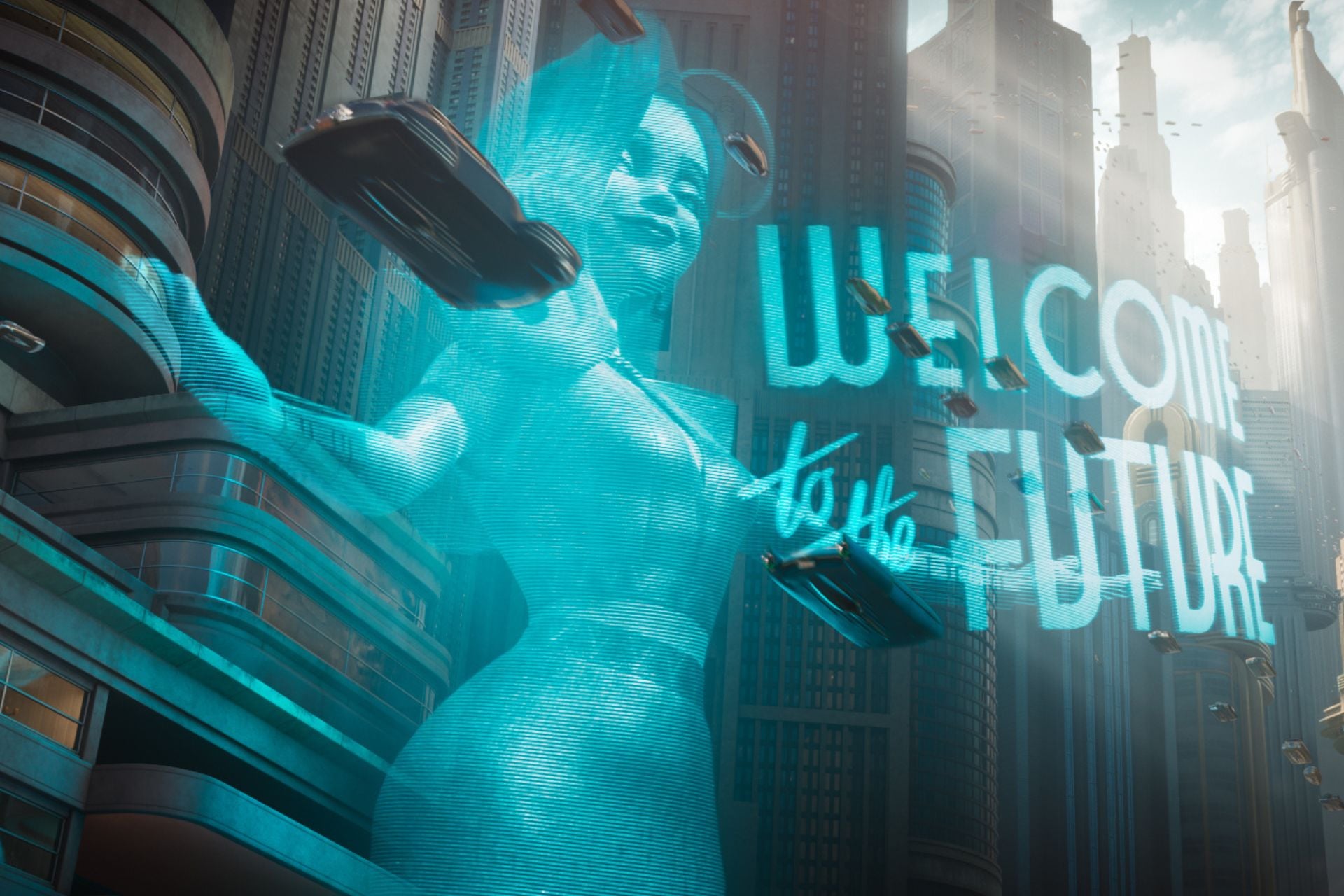
The new stills from Ray Gunn are literal invitations: a private eye rendered with the economy of a comic strip and the texture of celluloid memory. You can see Brad Bird’s hand — the same director who gave us The Iron Giant, The Incredibles, and Ratatouille — folding noir into science fiction without losing the feel of tactile filmmaking.
Ray Gunn is a private eye in an alternate future, seen from 1939, and the cast is built to tug at both cinephile and casual viewer: Sam Rockwell as Ray, Scarlett Johansson as Venus Nova, and Tom Waits as Eyera. That lineup is an authority signal: actors who can carry tone, timing, and oddness without blinking.
When does Ray Gunn come out on Netflix?
Netflix will release Ray Gunn later this year. Bird and the streamer’s announcement set a clear window without a fixed date yet, which is a common strategy on platform release calendars when a film is still polishing its festival and marketing rounds.
I still remember the first time a Brad Bird film rewired my expectations for what animation can do.
Bird has been nurturing Ray Gunn for more than 30 years, and he describes the film as Maltese Falcon meets Buck Rogers. That’s not marketing puff; it’s a direct map to tone: hard-boiled plotting fused with pulpy futurism.
Critically, Bird argues there’s a chunk of the audience that skips animation. I agree with his push: animation is a storytelling tool that can carry the heft of live-action noir or the sweep of science fiction without downgrading either. Ray Gunn is a puzzle box of neon and cigarette smoke.
Who voices Ray Gunn and Venus Nova?
Sam Rockwell voices Ray. Scarlett Johansson voices Venus Nova, the “multimedia star” around whom some of the plot pivots. Tom Waits joins as Eyera, pushing the cast into territory that mixes commercial star power with singular character actors — a combination that often signals tonal risk and reward.
A poster on a platform’s feed tells you how success will be measured now.
Netflix absorbing a Brad Bird film changes the conversation about how animated features travel from cinephile festival circuits into mainstream culture. You don’t need a theatrical box office number to prove reach; you need cultural stickiness on social platforms, IMDb momentum, and critical conversation in outlets like Variety and Deadline.
Bird wants to persuade viewers who avoid animation to give it another try. That’s both a creative and strategic aim: make something that demands discussion, clips, and gifs — material that algorithms prefer and that helps the film surface in the streamer’s recommendation engine.
Is Ray Gunn a Netflix movie?
Yes. The film is set for release on Netflix later this year, positioning it within the streamer’s slate and giving it the potential to reach a global audience instantly rather than through staggered theatrical windows.
I’ve spent years tracking directors who move between studio ecosystems and streaming platforms; you learn to read choices as signals. Bird’s team, the cast, and the promotional style suggest a film trying to enlarge what people think animation can carry emotionally and tonally. Its animation is a gramophone singing cinema.
If this is the year animation convinces a new audience to show up for genre movies, are you ready to defend where you stand on the debate?