
I rappel blind, the rope humming in my palms while something unseen skims the stone above me. You feel the air thin—then a memory takes your breath in a different way. I learned to read the ruins not by eyes but by the way my guilt moved.
I’ve followed games from Steam indie hits to Junji Ito–inspired shorts, and Idols of Ash is a compact lesson in how a simple loop can become a corridor of obsession. You don’t need a long tutorial to understand the risk here: one mistake and you’re falling faster than you meant to.
On a rainy afternoon you can see how small grief crowds a room. Idols of Ash lore, explored
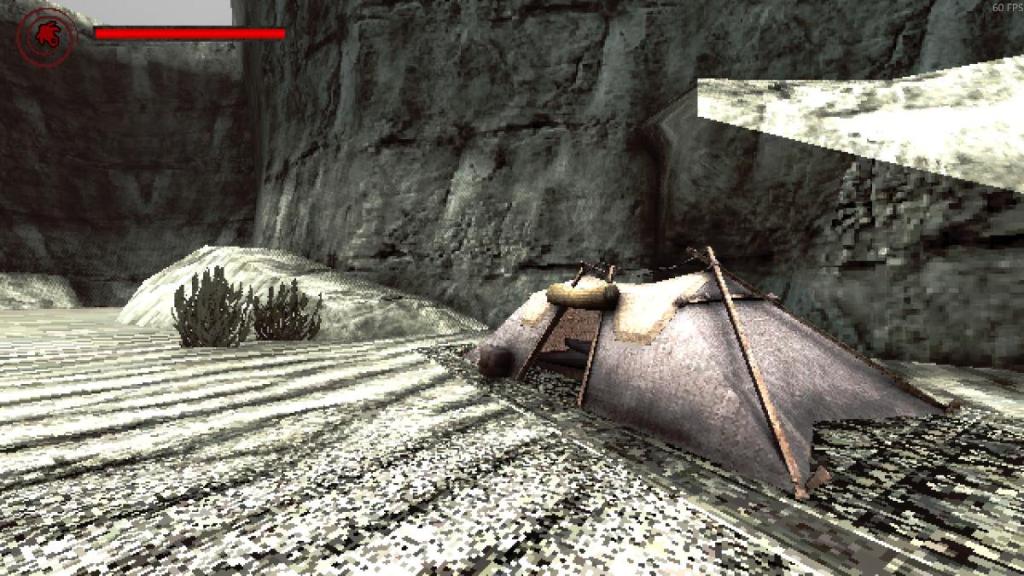
The game looks simple: you rappel down a shaft while a monster chases you. But simplicity is a trick here. The core loop—the rope, the falling, the constant chase—serves up something surgical: a journey that is at once physical and psychiatric.
The protagonist isn’t collecting relics for treasure. She’s chasing an idea of peace, a final view of someone she lost. Those idols of ash are both lure and toxin: inhaling them bends the mind toward memories relevant to the wound that sent you into the ruins. The place itself is a pressure cooker of grief, and every breath tightens the lid.
I’ll say this plainly: Leafy Games uses sensory nudges—sound design, tight vertical spaces, and the itch of low oxygen—to steer you through a grief story without spelling it out. The hallucinations you see are chosen to repair or punish a memory; every vision is calibrated to force you lower, to deprive you of the oxygen you need to leave.
What is the centipede in Idols of Ash?

You’ll notice it arrives immediately after the first breath of ash. The centipede is not just a fauna entry on a bestiary—it’s a formation of past victims and a mirror of the protagonist’s guilt. It behaves as if every lost soul stacked into it grants it new speed and cunning.
The creature’s body reads oddly human: arms where you expect mandibles, spiderlike legs, faces pressed into a composite hide. Audio cues—slurps, hisses, a ticking mechanical whirr in its limbs—turn its approach into a physical anxiety. The centipede is a wound stitched into motion, collecting and amplifying the ruin’s appetite until it drives you downward.
At a graveside you learn how rituals rewrite memory. What the mechanics mean for the story
Mechanics here are storytelling tools. The grappling hook and limited oxygen aren’t just obstacles; they are metaphors for guilt management and the race against self-erasure. Every fall signals a loss of agency, every regained health from the ash is a trade: clarity for extension.
Junji Ito’s influence is obvious in the visual grotesque—Leafy Games leans on that aesthetic to mix horror and melancholy. The steam store listing frames the game as a short, intense experience; Moyens I/O’s screenshots show the art, and the audio design is what sells the unease.
What happens at the end of Idols of Ash?
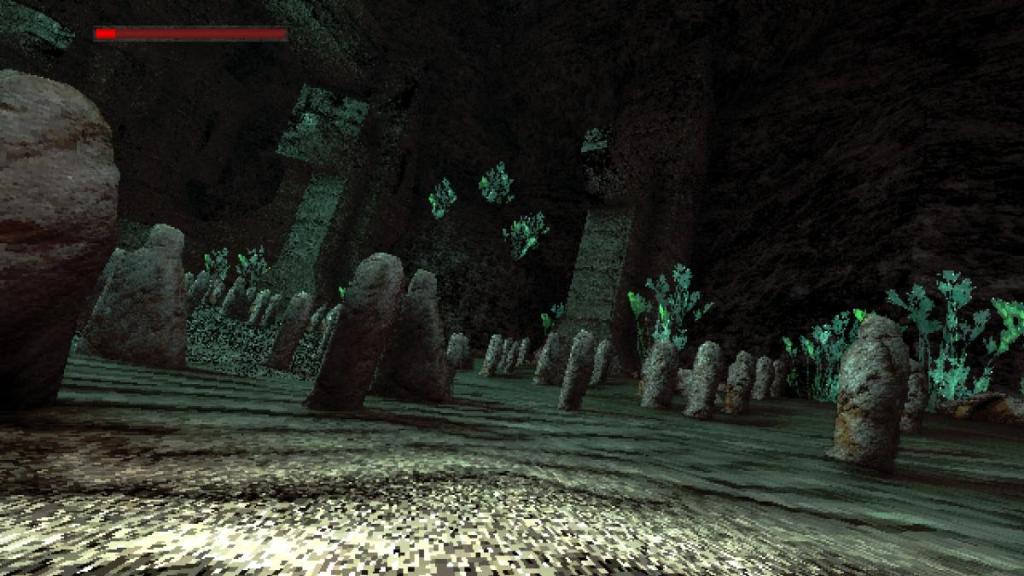
At the end you find what the ruins were promising: an apparition of the person you chased holding your mummified body. The idols’ ash has a physiological effect—prolonged inhalation induces a cocooning process that mirrors the other travelers frozen in the walls.
How you read that last scene decides the tone. If you think the protagonist sought closure and accepted suffocation as payment, then the ending is peace finally granted. If you think the ruins trick her and trap the desperate, then it’s a merciless seduction that turns longing into fossil. Both readings sit comfortably with the game’s design: ambiguous and morally gray.
I’d compare the game’s brief runtime to a forensic file—small, clinical, and revealing—but I’ll leave the verdict to you. Does the pity outweigh the cruelty, or is the ritual itself the punishment? What do you believe the ruins stole from its visitors?