
I remember slamming my laptop shut and running to the TV, heart racing. The PS3 refused my login and a chorus of forum alarms lit up across campus. You could feel the panic spreading like static — nobody had a timetable for getting back online.
My dorm room went quiet the day the PlayStation Network died
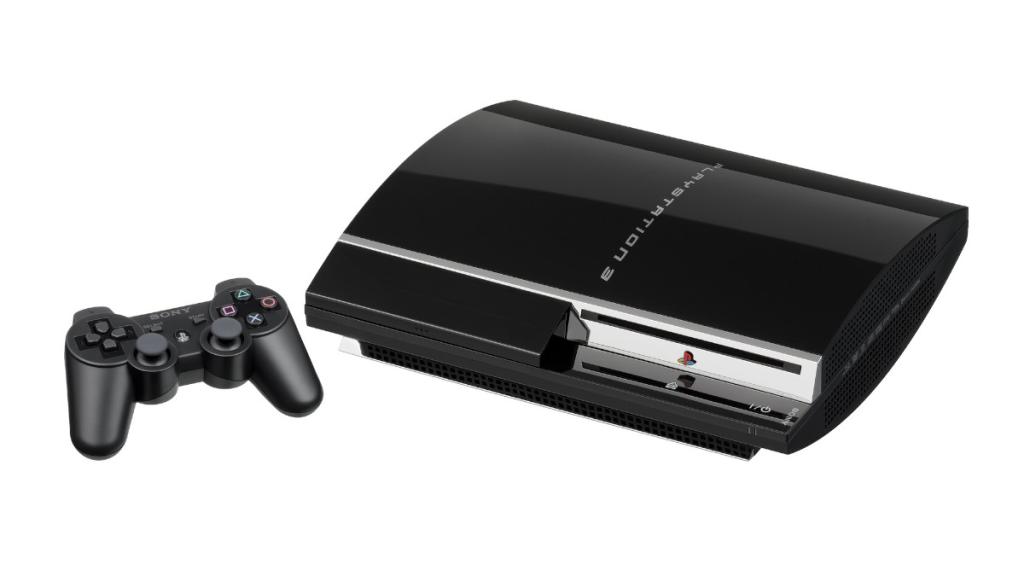
April 20, 2011 stopped being just another date on the semester calendar; it became the day PlayStation Network vanished. Sony shuttered PSN after an external intrusion that exposed data tied to more than 77 million accounts. For me — a senior writing a thesis about games and juggling online testing of Mortal Kombat 9 and Call of Duty: Black Ops — it felt personal.
The company said it learned of intrusion before telling users
Sony’s official timeline added salt to the wound. PSN went dark on April 20 after an intrusion traced to April 17–19, but the firm didn’t acknowledge compromised consumer data until April 22. On April 26, then-CEO Howard Stringer said forensic analysis had taken several days — the company claimed it identified the intrusion on April 19 and shut services down to investigate.
The outage was a severed artery in PlayStation’s ecosystem. Online leaderboards, matchmaking, and digital storefronts sat idle; message boards filled with fear and mockery from rival platforms. Xbox Live users gloated while PSN regulars wondered what personal details were exposed.
What happened to PSN in 2011?
Hackers accessed Sony’s network, and Sony discovered that user data — user names, email and physical addresses, dates of birth, passwords, and some financial information — may have been reached. The company pulled PSN offline to stop further damage and brought in outside security experts to scope the breach.
I had deadlines, a thesis, and a new fighting game I couldn’t play online
My thesis was a profile of where shooters and fighters were headed, so being cut off from online communities felt like having my research severed mid-sentence. The day after Mortal Kombat 9 launched, my PS3 was functionally neutered. I ended up finishing story mode and grinding cpu matches — small consolation, but at least I got better with Raiden.
How long was PSN offline?
Twenty-four days. The outage stretched just over three weeks, which in 2011 felt enormous. Developers paused multiplayer-dependent promotion, streamers lost momentum, and Sony scrambled to placate an anxious user base.
Sony offered games and PS Plus as compensation
When Sony pushed compensation, the package was specific: two PS3 titles and two PSP titles from a set list, plus 30 days of free PlayStation Plus. I picked Wipeout HD/Fury and LittleBigPlanet because I already owned the other choices. For many, the gesture was welcome; for others, it felt like papering over a bigger failure.

Was credit card information stolen in the PSN hack?
Sony later announced there was “no confirmed evidence any credit card or personal information” had been misused, though the announcement came after intense criticism over communication speed and transparency. The company’s public letters and statements from executives like Howard Stringer became the touchpoints for trust repair.
Community reaction was a mix of outrage and practical response
Forums and social feeds were full of people nervously changing passwords, calling banks, and debating Sony’s timeline. The outage exposed weak points in how large platforms handle mass breaches and showed how quickly a company’s relationship with users can fray.
Sony’s reputation became a cracked mirror — reflections of user trust shifted and required careful polishing to mend. Security practices tightened industry-wide; companies expanded incident response teams and invested in intrusion detection tools and third-party forensics.
The memory matters because the stakes are higher now
We live in a world where cloud services, subscriptions, and always-on multiplayer blur the line between ownership and access. If PlayStation Network had stayed offline for weeks today, the fallout would be measured in canceled subscriptions, shareholder questions, and headlines about lost revenue as much as lost playtime. Tools like PlayStation Network, PS Plus, and user account centers are central to modern gaming business models, so outages are no longer just inconveniences — they’re business risks.
Fifteen years later, the PSN outage still teaches a simple test: how fast does a company tell users what it knows, and how clearly does it act to protect them? Are the lessons Sony learned enough to keep a modern outage from becoming a corporate disaster, or would the next incident turn into a lengths-of-service debate that never dies?