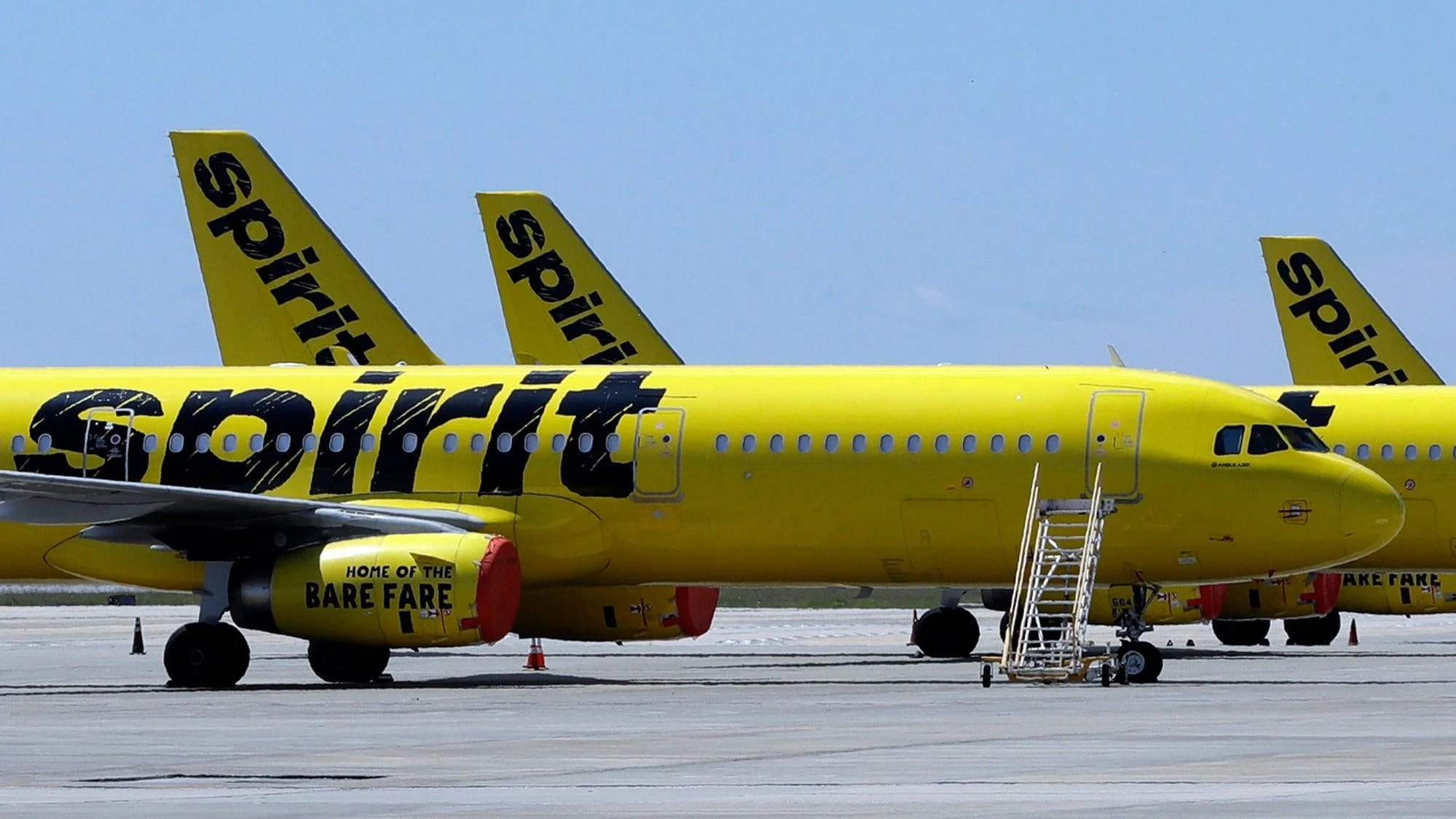
I was on a late-night flight when the captain’s voice quieted the cabin: a handful of runs cancelled, fuel rerouted, plans rewritten. You could see the arithmetic replace the usual travel chatter—numbers, routes, political chess. The question now feels personal: will your fare be propped up by taxpayers?
I follow airline economics for a living, and you should care because the move being discussed in Washington this week would rewrite the playbook for government intervention in private industry. Transportation Secretary Sean Duffy has scheduled conversations with low-cost carriers, and Bloomberg and The Air Current report that Spirit Airlines is floating the idea of a federal equity stake to avoid liquidation.
At the Department of Transportation, a meeting request signals a rare step
That meeting matters because the federal government under President Trump has already begun taking equity positions in private firms—most notably a roughly 10% stake in Intel and stakes in at least 10 other companies. Those purchases have used about $10 billion (≈€9.2 billion) in public funds. For context: Spirit’s failed 2024 deal with JetBlue was about $3.8 billion (≈€3.5 billion). I’ve watched regulators and judges shape airline mergers before; you can feel how previous rulings still loom over every option.
Will the U.S. government buy a stake in Spirit Airlines?
Short answer: possibly, but it’s not automatic. Spirit hasn’t publicly filed a formal request yet. The Department of Transportation—led by Duffy—asked to hear from discount carriers about their health. That call to the table looks like triage: the DOT wants to know whether private lifelines exist or whether a public infusion is the only way to keep planes flying. Bloomberg’s reporting makes clear the option is on the table; you should read that as a political and economic signal, not a promise of rescue.
At Spirit’s headquarters, bankruptcy filings left scars on the balance sheet
Spirit has been fragile for years. After a judge blocked the JetBlue merger in 2024, the airline walked away and later filed for bankruptcy. Since then, the company’s margins have been razor-thin and its options limited. The current shock is not just legacy debt; it’s a sudden spike in an input cost no airline can ignore: jet fuel.
How do rising jet fuel prices affect U.S. flights?
When jet fuel soars, ticket prices, route viability, and international positioning shift in real time. The Iran war that began with U.S. and Israeli strikes on Feb. 28 closed parts of the Strait of Hormuz—through which about 20% of the world’s oil flows—and sent global fuel prices higher. Airlines can’t simply “refuel back home”: planes flying overseas must buy fuel where they land, so shortages and price spikes abroad translate into immediate cash demands for U.S. carriers.
At airport gates, cancellations have already started to ripple outward
Flights are being canceled and routings reworked as fuel costs climb. Spirit is particularly exposed: the low-cost model depends on tight schedules and thin margins. I don’t say this to alarm you; I say it because you need to understand the mechanics. If fuel costs keep climbing, a carrier with fragile liquidity becomes a liquidation candidate. The balance sheet can behave like a house of cards when a single supply shock arrives.
Politically, the idea of the federal government taking equity in Spirit carries an unusual precedent. The Trump administration’s earlier purchases—Intel and others—shifted public perception: the White House now sometimes operates like a private investor rather than a neutral regulator. That change matters for antitrust watchers, passengers, and investors. If the government steps in, it could alter competitive dynamics across the industry.
At the intersection of law and markets, past rulings still bind future deals
The JetBlue case is a reminder that courts can kill mergers on antitrust grounds. Spirit’s leaders once pursued consolidation as a lifeline; when that closed, bankruptcy became the fallback. You should note the timeline: merger blocked in 2024, bankruptcy filed the same year, and now emergency talks in 2026. Each development narrows options and raises stakes for shareholders, employees, and travelers.
I’ve followed airline crises where the government steps in for system-wide stability; those interventions usually happen during broad economic distress. What makes this moment different is that we’re seeing targeted equity purchases—public capital placed in single firms outside of a full-blown financial collapse. That approach rewrites incentives for CEOs and investors.
At scale, supply shocks test every airline’s contingency planning
Airlines use fuel hedges and networks to manage price swings, but sudden closures of shipping lanes and hardened regional leadership in Iran have reduced levers. The result: higher short-term fuel bills and immediate liquidity pressure. You should assume more cancellations and price volatility until shipping lanes reopen or diplomatic progress eases the squeeze.
Industry platforms and analysts—Bloomberg, The Air Current, CSIS—are tracking the signals. If you follow airline pricing on tools like Google Flights or professional platforms such as Cirium and FlightAware, you can already see shifts in scheduling and load factors. Investors are watching ticket sales, ancillary revenue, and debt covenants; employees are watching furlough lists and union statements; regulators are watching legal precedent.
If the government does buy equity in Spirit, its decision will raise questions: Will taxpayers shoulder losses? Will competition be distorted? Who decides when a company is “too important to fail”? One metaphor applies: when the state starts buying into airlines, it’s as if the public balance sheet grows wings. Another lands differently—the industry, already lean, can feel like a small boat in a storm when fuel spikes and politics join forces.
I’ll keep tracking filings, DOT briefings, and Spirit’s moves. You should watch the docket, the DOT’s public statements, and coverage from Bloomberg and The Air Current for the next steps. So tell me: if the government buys into an airline to save routes from collapsing, who ultimately pays the price and who benefits?