
I unboxed a Switch 2 and felt the sting before the fun: the price tag was higher than I expected. Across town, players on forums traded the same disbelief and receipts. Now two gamers want that extra cost back—and they’ve put Nintendo at the center of a simmering legal fight.
I’ll walk you through what the suit actually says, who’s involved, and why this isn’t just about one console—you and I are watching a shift that could rewrite how companies pass costs to consumers.
On a retail receipt, the extra line item jumped out — What the lawsuit accuses Nintendo of doing
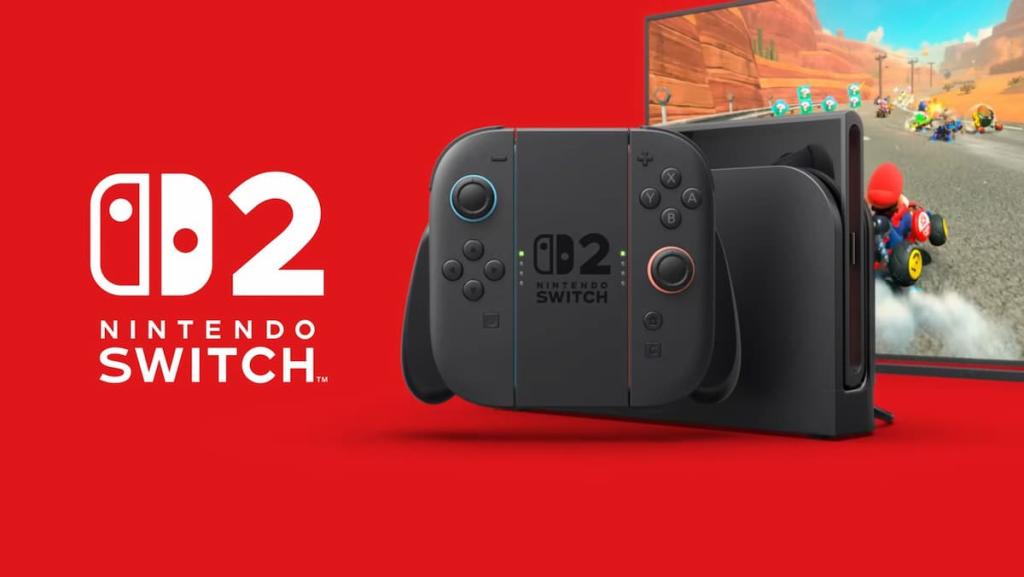
You paid more for a Switch 2 console or an official accessory after Nintendo raised prices ahead of the launch. Plaintiffs Gregory Hoffert (California) and Prashant Sharan (Washington) say that raise was tied to tariffs, and that Nintendo then sued the U.S. government to recover those same tariff fees.
The class action argues the company would be “unjustly enriching” itself if it keeps higher consumer prices and also pockets tariff refunds from the federal government (including interest). The complaint asks the court to stop Nintendo from getting that double recovery so consumers aren’t left holding the bill.
Will Nintendo have to refund consumers for tariffs?
Short answer: possibly. The suit leans on Washington state consumer protection law and basic fairness: if Nintendo charged customers to cover tariffs, refunds flowing back to the company should be returned to those customers or clawed back by the court. I expect lawyers on both sides will fight over timing, standing, and how damages would be calculated.
At the press desk, reporters flagged the filing — Who filed and why it matters
Stephen Totilo first reported the suit and CNBC later mapped the wider tariff-refund landscape. This isn’t an isolated legal quibble—big retailers like Walmart, Target, and brands such as Nike are already in line for massive repayments from tariff relief programs.
Walmart is reportedly due about $10.2 billion (≈ €9.4 billion), Target about $2.2 billion (≈ €2.0 billion), and Nike roughly $1 billion (≈ €920 million). Nintendo’s payday, if any, is unclear—but the suit argues that whatever Nintendo receives should not be layered on top of higher prices paid by players.
Can a company be sued for receiving tariff refunds?
Yes—especially where state consumer protection laws intersect with claims of unjust enrichment. The plaintiffs will have to show a direct link between the tariffs passed to consumers and the refunds Nintendo seeks. If the court sees that link, damages and restitution options open up for the class.
At the checkout line, price tags told the same story — How gaming economics got here
I watched console prices creep up and felt the same restless tweak of my wallet that you likely did. The Switch 2 launch arrived with higher MSRPs across hardware, controllers, and games; Sony’s PS5 Pro sits at $899 (≈ €827) as one striking example, and Xbox Series X|S pricing has also shifted upward.
The industry-wide effect is a tense consumer moment—the market like a loose thread in a sweater; pull the wrong way and a lot unravels. Tariffs were designed to protect or punish trade lines, but the end result has been higher shelf prices for gamers. Now refunds could rewind some of that cost—if the law allows.
How much could Nintendo get back from tariff refunds?
There’s no public figure for Nintendo yet. CNBC’s reporting shows other players receiving multibillion-dollar refunds, which proves the mechanism exists—but Nintendo’s return will depend on how much they paid in assessed tariffs and what portion the government deems refundable. The plaintiffs argue consumers deserve a slice of any recovery tied to what they were charged.
At online threads, players compared receipts — Practical outcomes and what you should watch
If you bought a Switch 2 or accessories at a higher price, keep your proof of purchase. Class actions hinge on records and timing; you might be part of the class if the court certifies it. I’d also watch filings from Nintendo, the Department of Commerce, and the lawyers steering the case—these documents will spell out calculations and potential remedies.
We’re watching a legal test of how far companies can pass costs to customers and then reclaim them from the government. For gamers, this could be a short-term refund, a broader pricing reset, or a precedent that reshapes future tariff responses. The pressure under that lid is mounting like a pressure cooker of consumer anger.
So where does that leave you: quietly checking your receipts, or preparing to join a class action fight over what you’ve already paid?