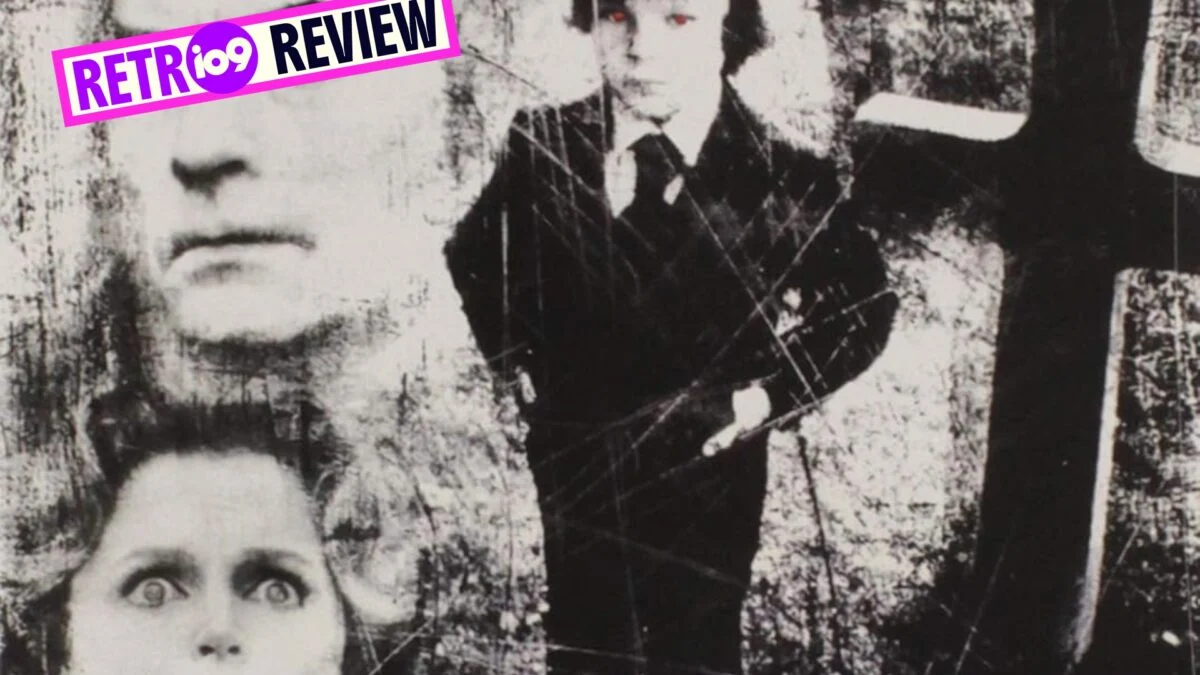
She screams at a birthday party, a nanny toppling off a balcony while everyone watches and cannot stop it. You remember the sound—mechanical, wrong—and how the film keeps returning to that helpless moment. I still find myself thinking about the choice that made it possible: a lie kept to protect someone else.
You already know Damien by face and laugh; what the movie keeps grinding at is the adults who handed him his stage. I’m going to take you through why The Omen still stings: not because of the kid alone, but because of the ordinary decisions that become monstrous when left unexamined.
At an embassy dinner, a man makes the kind of secret anyone would understand
Gregory Peck’s Robert Thorn feels like someone I’d trust to give me directions. He carries integrity like a badge, then trades it for peace—first for his wife’s happiness, then for his own sleep.
That swap is the film’s quiet engine. The plot’s spine is not a prophecy but a bargain: a grieving father told he must accept a child to keep his wife alive. When you watch Thorn agree to accept an orphan without provenance, you feel the burden of ordinary compassion contorted into complicity.
Is Damien really the Antichrist?
Yes, if you read the signs as the film intends: 666 plastered across time and geography, events that escalate from coincidence to pattern, and a network of adults who either orchestrate or ignore murder. Director Richard Donner and composer Jerry Goldsmith tune the audience to dread; the score works like a slow pressure on a bruise.
On a safari road, a herd of baboons erupts in terror
Lee Remick’s Kathy complains she’s losing her mind; you can see why. Her husband won’t tell her the truth, and the film stages her isolation in progressively cruel ways.
The safari scene is an attack on agency. Damien’s presence is not only metaphysical threat; it’s practical—he shapes events so Kathy can’t claim control. That’s the real horror: a slow theft of decision-making. When the doctor leaks private fears to Thorn, and Thorn blocks Kathy from choices about her own body, the moral rot becomes visible.
A detective with a camera grows suspicious and won’t stop
A photographer, a priest, an injured woman—these are small figures in a diplomatic world that prefers tidy reputations. David Warner’s Keith Jennings and Patrick Troughton’s Father Brennan function like flares sent up against a sky nobody wants to look at.
Jennings’s evidence is photographic; the religion-based warnings are shouted. Thorn dismisses both because doing otherwise threatens his life’s story. The film makes refusal look like a political posture and a private cowardice at once.
Why does The Omen still feel relevant today?
Because its threat wears the clothes of institutions: ambassadors, nannies, and the presidency. It’s not only demonic spectacle; it’s a study of how reputations, careers, and “normal life” can be weaponized. Jerry Goldsmith’s “Ave Satani” pulled the cultural needle; studios like 20th Century Fox and critics on platforms such as Rotten Tomatoes and IMDb kept the conversation alive, and younger viewers find fresh angles on streaming feeds and Blu-ray restorations from labels like Criterion.
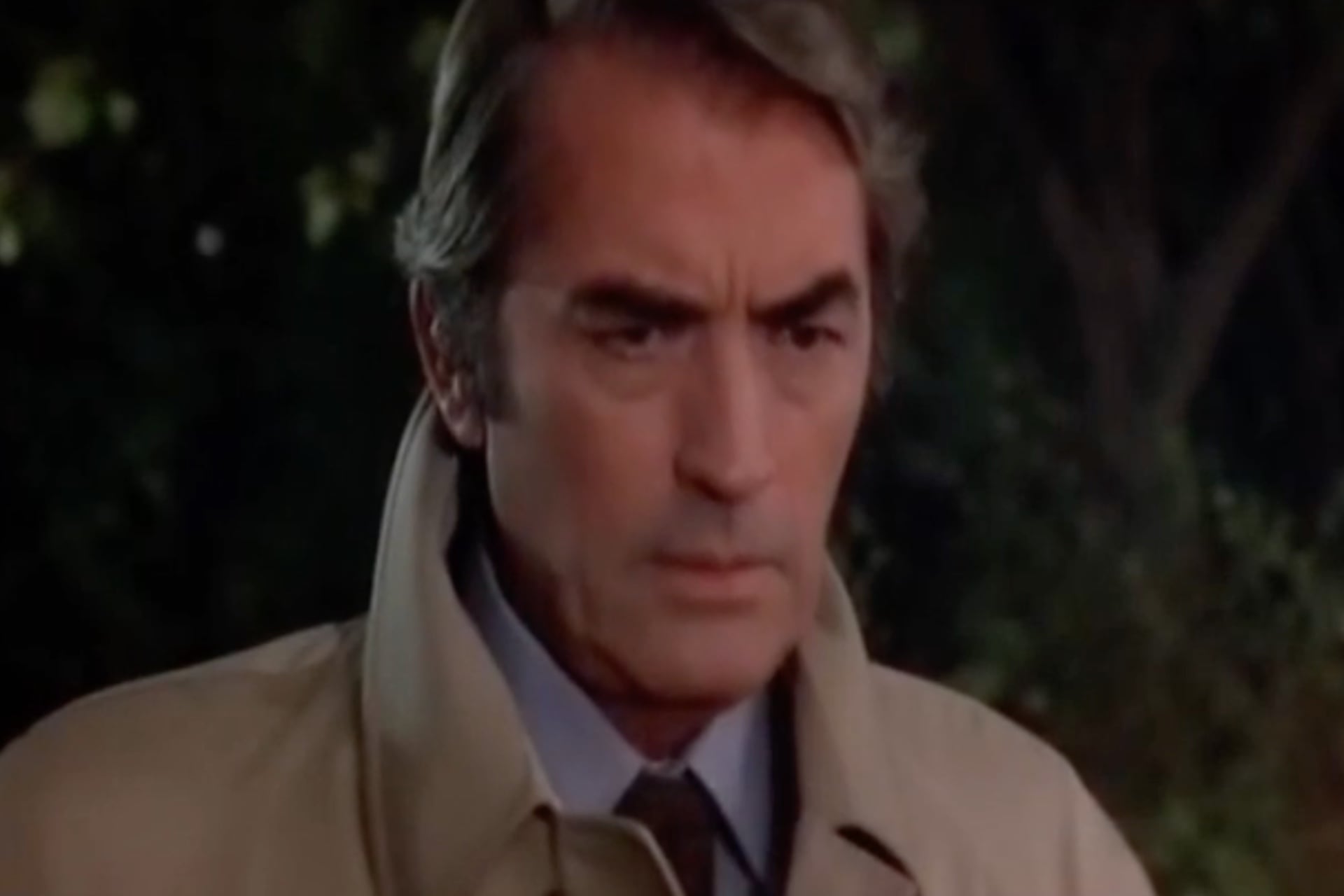
Think of Thorn as a hinge that has rusted—tiny neglect becomes catastrophic. That’s my single line on his arc: a good man who lets a single lie calcify and takes everyone down with it.
Donner’s direction keeps the globe-trotting investigation tight; it never feels like a travelogue. The film stitches Rome, the Middle East, and England into a necklace of dread, each bead tightening as evidence surfaces and deaths accumulate.
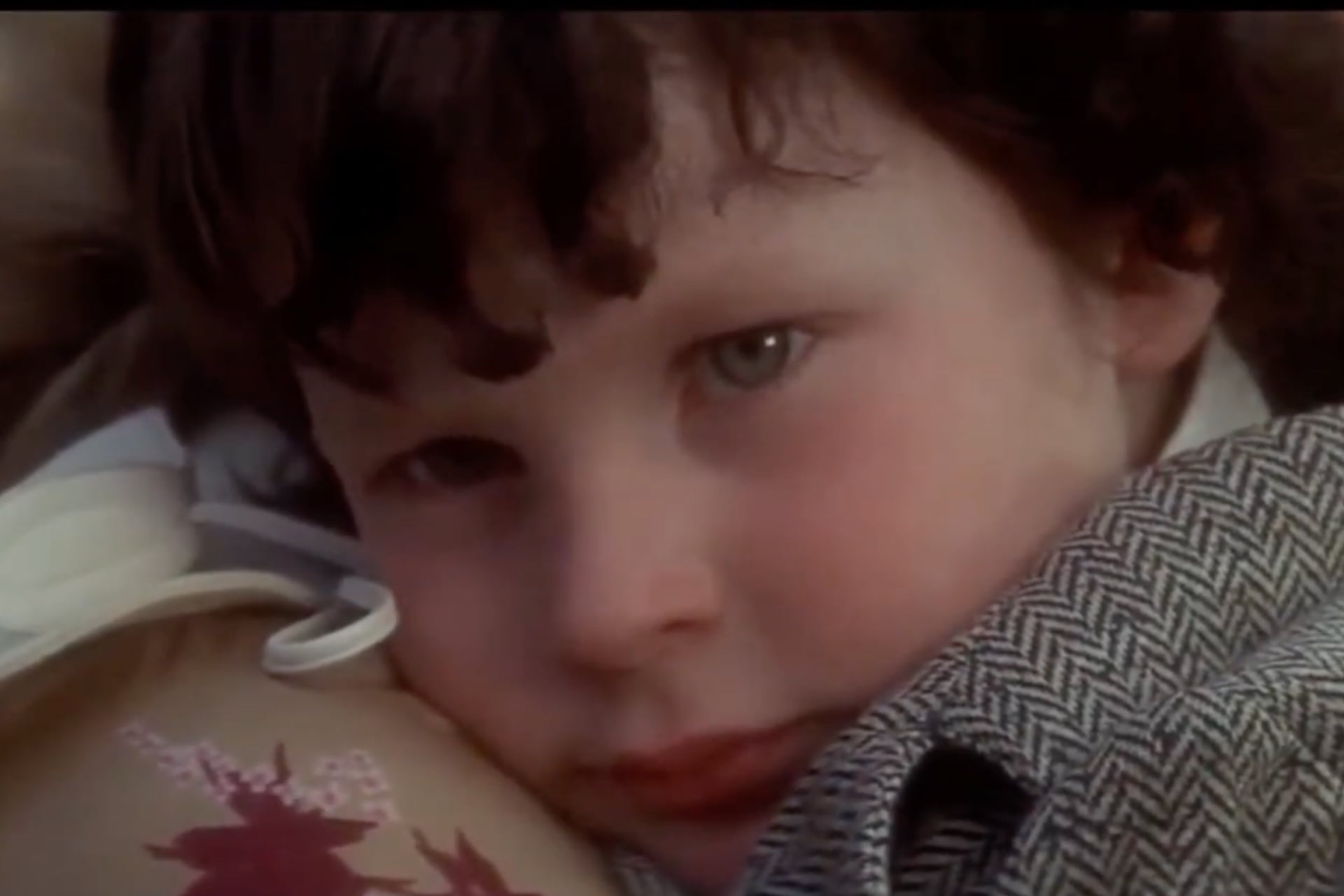
An arsenal of adults serves a child who never ages into accountability
Harvey Spencer Stephens’s Damien reads like a prophecy worn by a small person. The real work, though, is done by adults: Mrs. Baylock’s theft of maternal trust, priests and photographers who cannot convince, and a presidency that smiles into apocalypse.
What The Omen teaches you is about the transfer of responsibility. When each ally of evil is removed by accidents staged as coincidence, Damien’s safety net tightens. The film refuses tidy explanations; instead it shows a chain reaction of choices and excuses.
I believe the movie works because it treats horror as civic rather than purely supernatural. The world in which a child can be raised by design is also a world where institutions fail the people inside them.
The score, the casting, the way Donner lets a child’s smile sit in the frame long after the camera moves away—these are technical choices that carry moral weight. Jerry Goldsmith’s Oscar and Gregory Peck’s later career choices are industry markers, and they matter when you argue about influence on modern directors and composers.
Want more io9 news? Check out when to expect the latest Marvel, Star Wars, and Star Trek releases, what’s next for the DC Universe on film and TV, and everything you need to know about the future of Doctor Who.
Seen now, in a political moment that prizes spectacle over explanation, The Omen reads like a warning: good intentions paired with secrecy produce catastrophe. The film asks you to watch who holds the ledger when something goes wrong—will you trust what they write, or will you demand to see the receipts?