
I remember the first time a small, throwaway line in a featurette changed how I read an entire franchise. You probably felt it too—an offhand name, a brief camera linger, and suddenly the map of what comes next redraws itself. Hold that feeling; we’re going to follow where it pulls.
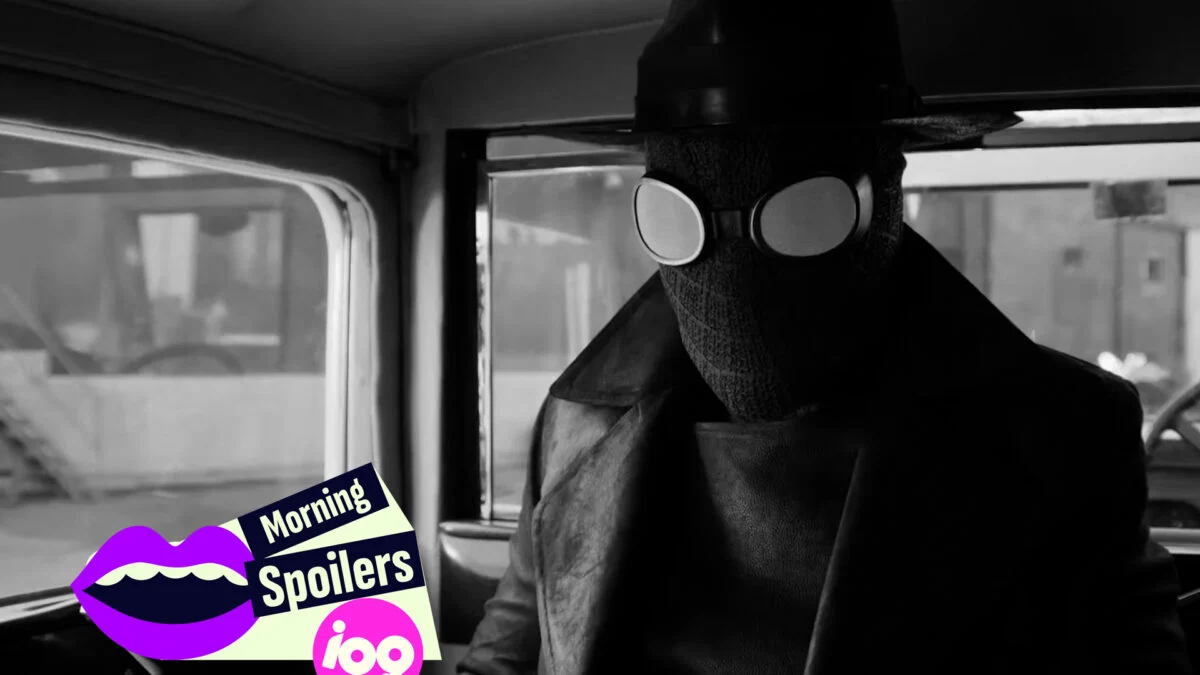
Spider-Noir
At a recent press loop, the cast described villain dynamics with a casual intensity that made the room lean in.
You should know: the Spider-Noir featurette does more than tease set pieces. It quietly threads Silverman, Sandman, Tombstone, and the one-off ’90s oddity Megawatt into a conversation about tonal balance and franchise memory. I’ll say it plainly—Megawatt’s inclusion is not nostalgia for nostalgia’s sake; it’s a deliberate wink to comics fans and a signaling move to partners like Marvel and potential licensing allies.
The cast discusses motivations; the filmmakers hint at tonal contrasts; and the villains get more personality in ninety seconds than some films grant in two acts. If you track social chatter on X and Threads, the reaction spikes around a few beats: the animation choices, the costume textures, and a single line that reframes a secondary antagonist.
Who is Megawatt in Spider-Man comics?
Megawatt was a brief, bright blip in ’90s Spider-Man runs—an electrical-themed antagonist with maximalist energy. In Spider-Noir, the character functions as a fracture point: small in original pages, bigger in cinematic connective tissue. For viewers, that means a callback that rewards franchise literacy without making newcomers feel lost.
Liminal (Telepaths)
On paper, the logline reads like one of those conversation-stopping festival pitches you overhear in a coffee line.
Deadline confirms Franka Potente and Tracy Letts have joined Louis Leterrier’s adaptation of J. Michael Straczynski’s Telepaths, retitled Liminal. The premise—an electromagnetic event grants telepathy to one in ten people—sets up social fracture points that let a director like Leterrier play action against civic paranoia. Apple TV+ backing and the AWA origin give the show clear distribution muscle and brand trust, which matters if you care about scale and rollout timing.
King Snake
On-set photos from rural Arkansas show fogged breath and creaky barns—the aesthetics are doing the heavy lifting already.
Deadline reports filming has begun on King Snake, a southern gothic supernatural horror starring Margaret Qualley, Drew Starkey, and Michael Shannon. The premise—inheritance that comes with more than land—plays into a long American tradition of family secrets and mythic violence. Michael Shannon’s presence alone signals an appetite for tonal risk and a festival run, which buyers and critics will note.
Buddy
Studio release calendars have a way of telling us where money and confidence are placed.
Roadside Attractions and Saban Films set Casper Kelly’s Buddy for a September 4 theatrical release. The film’s core contradiction—an affable children’s TV unicorn who’s also a brutal force—reads like dark satire and genre subversion rolled together. With Keegan-Michael Key, Cristin Milioti, Topher Grace, Patton Oswalt, and Michael Shannon attached, distributors are clearly betting on a blend of star-driven marketing and provocative word-of-mouth.
Winnie the Pooh: Blood and Honey 3
On Instagram, a short clip of Rabbit’s voice acting cut through a usual feed of trailers and announcements.
Richard Stanley’s Blood and Honey 3 keeps pushing the boundaries of public domain horror. Roger Jackson’s Rabbit cameo—revealed in a new clip—reminds you that viral shock can be a marketing engine. This series functions as a cultural lightning rod: it draws attention precisely because it courts outrage and curiosity.
Why is Winnie the Pooh: Blood and Honey back?
The franchise leverages public-domain status and low-budget shock tactics to maintain visibility. Producers capitalize on controversy to secure streaming deals and niche theatrical runs, and platforms measuring engagement—YouTube, TikTok, Instagram—reward spikes in attention with algorithmic prominence.
Winnie the Pooh’s return is a haunted carousel spinning back into public view.
Masters of the Universe
International trailers sometimes reveal details domestic spots don’t, and Sony Pictures UK’s latest is a proof point.
The new Sony Pictures UK trailer for Masters of the Universe offers fresh footage that clarifies tone and effects choices. For fans tracking He-Man’s tonal shift from toyline to live-action stakes, these snippets function like a blueprint: production value, score cues, and costume fidelity will determine critical reception and merch resonance.
Mortal Kombat II
When a trailer opens with a piece of franchise music, attendance registers immediately.
Warner Bros.’ new trailer for Mortal Kombat II smartly leans on nostalgia—“Techno Syndrome” returns and the fight choreography promises escalation. For the studio, the strategy is clear: use familiar audio branding to prime lapsed fans and drive search behavior across YouTube and game-adjacent communities.
Voidance
British sci-fi often trusts premise more than spectacle, and the new trailer delivers on that economy.
In Voidance, Alana Tora plays an agent-in-training stopping a simulated terrorist attack aboard a space station. The time-loop thriller format gives the story a puzzle structure that domestic and international buyers appreciate, especially for platform acquisition—streamers hunting serialized, rewatchable content are the likeliest suitors.
Daredevil: Born Again
Television spots are where networks test audience hunger before full trailers drop.
The newest TV spot for Daredevil: Born Again stitches footage from upcoming episodes into an endgame tease. The show’s marketing cadence—short, high-frequency clips—aims to keep subscribers returning to Disney+ and keeps episodic conversation alive across forums and recaps.
The Legend of Vox Machina
Animation platforms have learned that serialized fantasy benefits from regular promotional beats.
Amazon released a new trailer for season four of The Legend of Vox Machina, and the timing tells you production is confident in a sustained release plan. For Prime Video, this is about retention and merch synergy; for viewers, it’s about whether the series maintains tonal growth and stakes.
I’ve walked you through the beats, the players, and the likely business moves—now tell me which reveal actually changed how you read the next year of fandom?