I remember the night the leaks landed: fan art exploded across my feeds, threads ignited, and every childhood memory felt suddenly contested. I sat back, annoyed but curious—what happens when the heroes you loved come back as flawed adults? You might already have an answer in your head, but give me a minute: The Legend of Korra didn’t ruin anything; it sharpened the story’s edges.
The comment sections filled with rage the night Korra arrived.
People screamed “character assassination” and circled their favorite memories like they were relics to be protected. I get it—you grew up with Aang as a moral north star. But what Korra did was honest: it turned the Gaang into adults shaped by trauma, poor choices, and the crushing duty of legacy. It’s not a betrayal; it’s a correction. Seeing Toph as Republic City’s chief of police and the mother of Lin and Suyin reframes her legend. Those daughters inherit more than her power—they inherit the consequences of a life lived loud and solitary, and the show gives that inheritance weight instead of flattening it into nostalgia.

Did The Legend of Korra ruin Avatar?
No. If you want a straight answer: the series complicated the myth in ways the original never had to. Korra asks what legacy costs the next generation—the friction between intention and impact—while keeping the world alive. Nickelodeon and Studio Mir trusted viewers enough to let the story get messy. That’s storytelling, not sabotage.
At conventions I’ve watched panels split between nostalgia and defense.
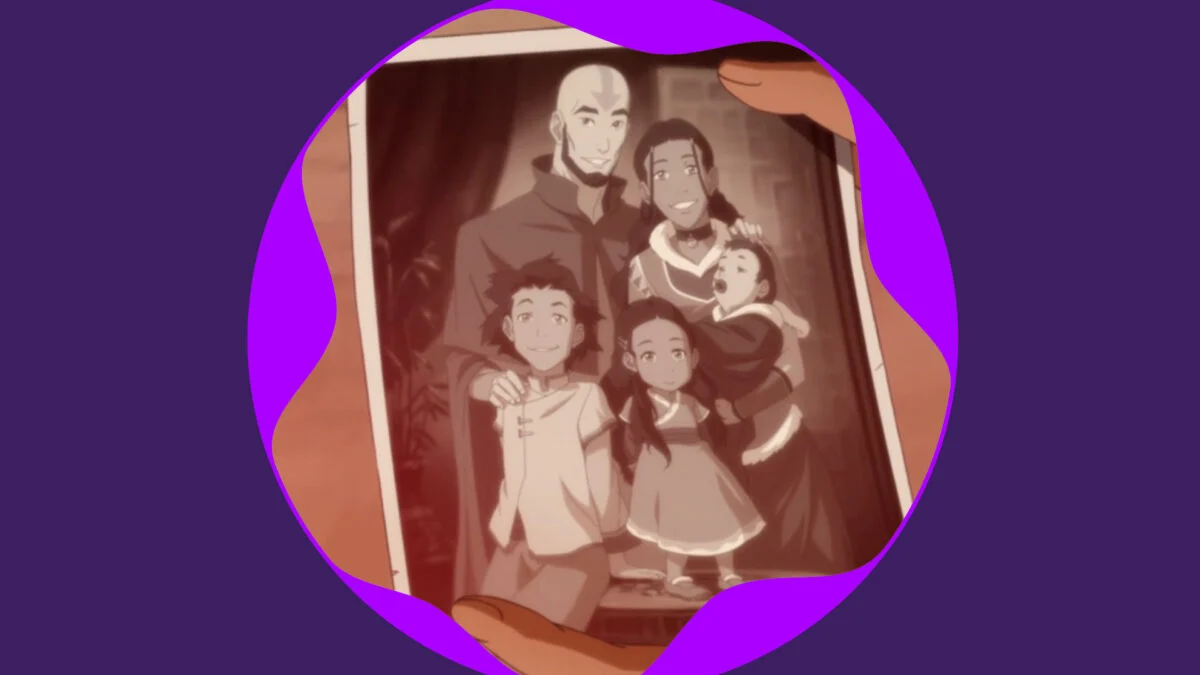
One side screams for unchanged heroes; the other defends growth. I’ve moderated panels where people argued over whether Aang’s parenting was fair—Aang and Katara’s household produced Tenzin, Bumi, and Kya, and the way each kid carried that family pressure is the show’s point. J.K. Simmons as Tenzin makes the emotional load audible: the single airbender son carries an entire culture’s rebirth on his shoulders, while Bumi wrestles with nonbending identity and Kya navigates her own place beside two famous parents. That tension—children shaped by a parent’s legend instead of their love—would have been wasted if written as simple hero worship.
Why did fans hate Korra?
Fans projected a singular memory forward and expected the universe to be frozen there. When the series refused to canonize the Gaang as faultless, outrage filled feeds. io9 and Polygon covered the backlash, but what often gets ignored is that anger hid a real fear: the loss of a safe story. Korra pulled that safety away and asked viewers to reckon with messy adulthood and systemic aftershocks, a move that reads as betrayal if you prefer tidy answers.

Scroll the comics and new films and you can trace the decisions Korra set in motion.
The extended universe—comics, the Avatar YouTube essays, Paramount’s film plans, and the new Seven Havens material—keeps returning to Korra’s questions about memory and myth. The comics expanded on how idealism can harden into policy that hurts the very people it intended to help, a point the show makes without preaching. Think of the franchise as a ledger with smudged ink: cleaning it up would erase the mess, but also the evidence of what was learned. Studio Mir’s animation and Nick’s willingness to let the story age gave later creators room to reframe characters for a more complicated world.
How does Korra affect ATLA legacy?
It enlarges it. Instead of shrinking the original into a shrine, Korra put pressure on legacy—showing how myth shapes the next generation, and how that generation resists or collapses under the weight. The result is a franchise that’s more interesting, and messier, and therefore more human.
I’ll be blunt: if you want heroes who never change, Avatar as a franchise is not for you. But if you want a story that keeps asking uncomfortable questions about family, power, and memory—questions that echo through io9 thinkpieces and scene-by-scene breakdowns on YouTube—then Korra did what great sequels should: it complicated the original so the next chapter could matter. Are you ready to admit that a franchise that grows up might be worth following as an adult?