
I remember the moment the screen went silent: Nolan’s shadow filled the sky, and my throat closed as if someone had pressed a hand to it. For three beats I couldn’t tell if Mark was choosing courage or cowardice. Then Thragg spoke, and the world tilted.
I watched season four of Invincible knowing the show would end on a moral scalpel, but nothing prepared me for the particular kind of quiet terror in that choice. You can feel how the writers — Robert Kirkman and the teams at Skybound Animation and Prime Video — set the trap: fight and risk everything now, or accept a fragile peace that seeds a slow disaster. I want to walk you through why that decision landed so hard, and why it might land on you if you had to answer.

The guy at the bus stop begged me to take his umbrella on a clear day. That same impulse explains Mark’s first instinct: protect your own.
You saw it in Mark’s face. The hero reflex — save everyone, even by self-immolation — is wired into the character by design and by voice talent like Steven Yeun’s subtle panic. But humans carry other wiring: the fear of immediate loss. When Nolan and Conquest taught Mark and the world what a single Viltrumite can do, that memory became a moral anchor. You won’t choose abstract future lives over the living people in front of you unless you’re ready to be a monster in the present.
What choice did Mark make in the Invincible finale?
Mark agreed to Thragg’s terms. He accepted a truce that leaves nearly 40 Viltrumites hidden on Earth so long as they refrain from open war. That bargain saves billions this instant while allowing the harmful strategy of Viltrumite expansion to continue covertly.
On a park bench I overheard a young couple say, “Let the next generation worry about it.” That’s the language of political postponement and Mark’s justification.
Make no mistake: Mark chose what feels like temporally compassionate selfishness. He bought time at the cost of future risk. The Coalition of Planets and characters like Omni-Man had argued the opposite: stop the seed now or lose everything later. Your gut reaction will split along the same fault line — are you a present-savior or a future-guardian?
Why did Mark agree to Thragg’s terms?
Because he saw what a battle on Earth would cost. Mark is half human and half Viltrumite, so he understands both the moral ideal of resistance and the raw arithmetic of casualties. The emotional calculus — your partner, your friends, your city — outweighed hypothetical future victims who might not exist if the species is curtailed. That calculation mirrors real-world trade-offs between risk and responsibility.
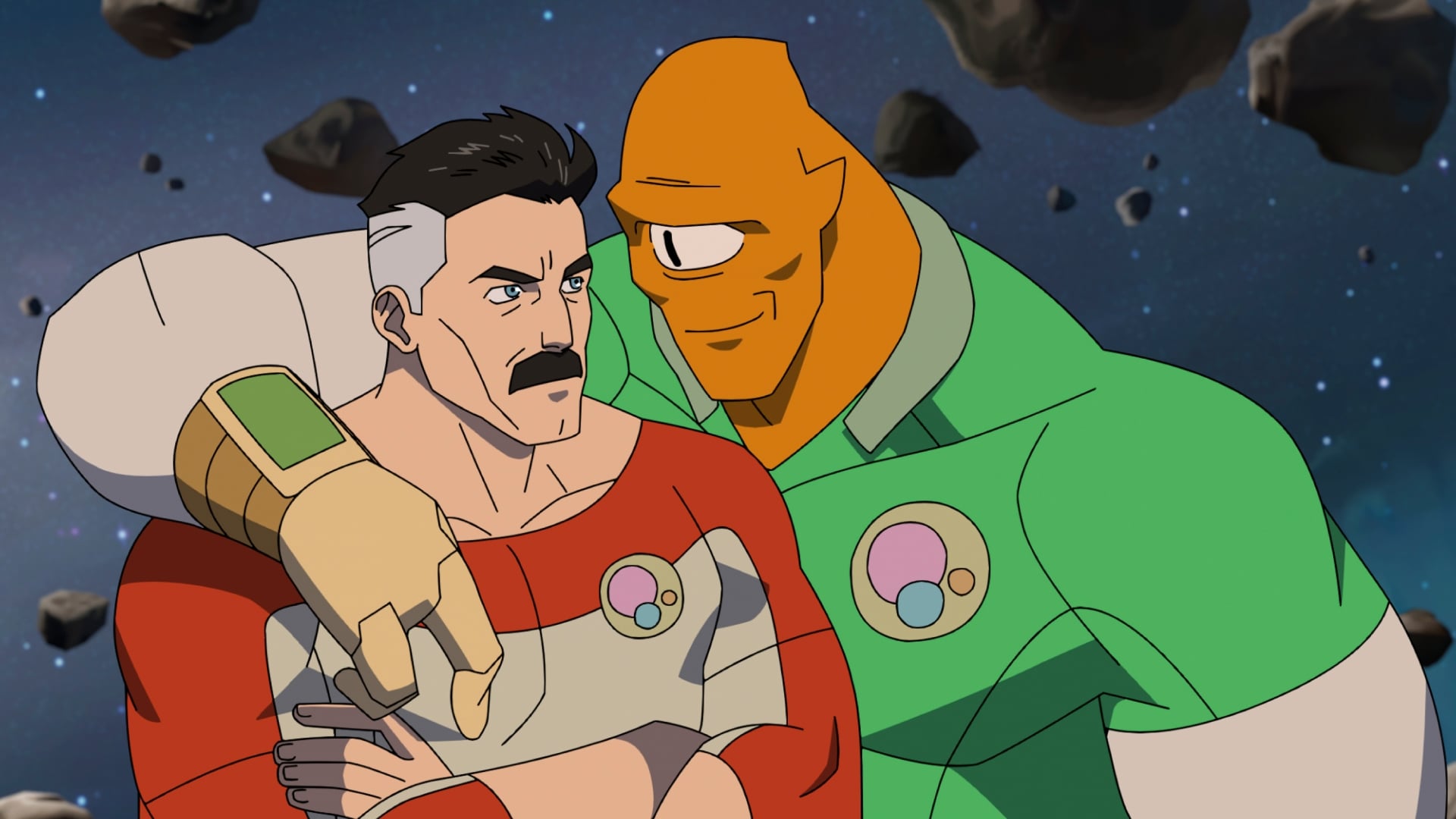
An editor at my old paper once insisted small moral choices reveal big character. The finale amplifies that: a single private decision shapes centuries.
Thragg’s proposal was surgical: offer life now for the possibility of genocide later. The show forces you to weigh probabilistic harm — which people are notoriously bad at — against immediate, vivid suffering. If you’re more influenced by availability bias, you choose the present and call it mercy. If you prize long-term projections, you demand extermination now. Both positions carry ethical gravity; the show refuses to make one comfortable.
Will Viltrumites take over Earth?
The short answer: possibly. If Viltrumites reproduce with humans unchecked, their numbers can grow until hiding is impossible. The show leaves that trajectory open as a narrative threat. Robert Kirkman (and the comic source material at Image Comics) has always played this as a slow-burning problem: a fuse lit under a city that seems asleep.
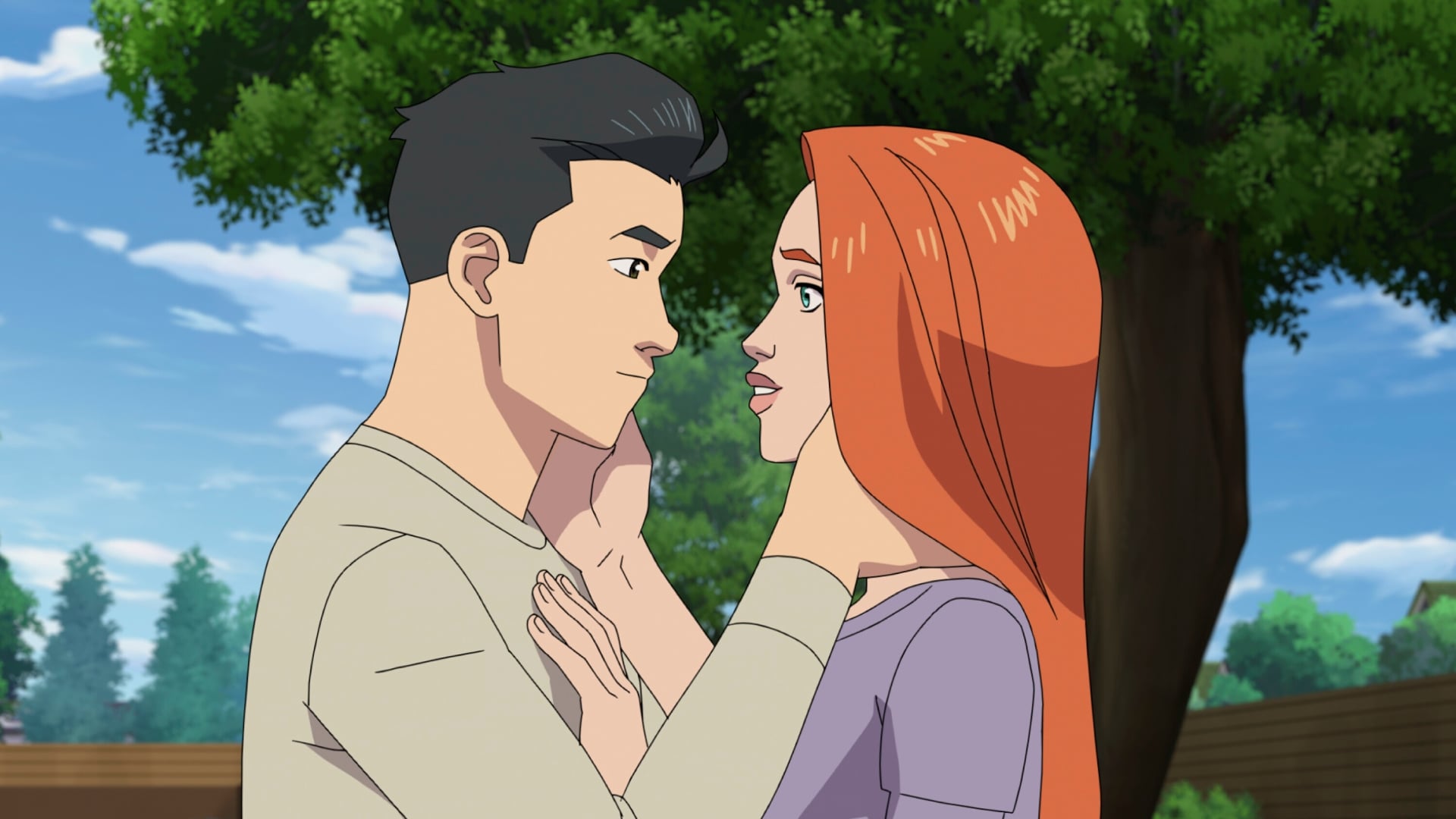
At a writers’ room, someone argued that audience sympathy matters to a story’s power. That’s why Mark’s choice also functions as a test of us.
Viewers choose a side before the credits roll because we project ourselves into Mark. The show uses that projection like a mirror. You find yourself defending the choice you would make. Critics at io9 and Gizmodo dissected the moral geometry, while fans on Reddit and Twitter split into camps. The show leverages platform dynamics — Prime Video distribution, social media discourse, and the legacy of Image Comics — to make this not just an episode but a civic conversation.
Two metaphors to keep steady: Mark’s decision is like a coin tossed into a hurricane, and the truce is like a slow fuse under a sleeping city. Both images should make you uncomfortable because the finale asks you to live inside that discomfort.
So where does that leave you? I won’t pretend to know the morally correct ledger. I can tell you how the show pushes your instincts, and why the choice will haunt discussions of ethics, politics, and personal responsibility long after the finale.
Which side would you defend at the end of the world?