
The office chat burst into life the moment Heo Jin-young’s message arrived. Phones buzzed, espresso cups were set down, and a quiet, stunned smile spread across desks. For a minute you could feel the whole company breathing out.
I’ve watched companies give bonuses before; this one felt different. You should know why that matters.
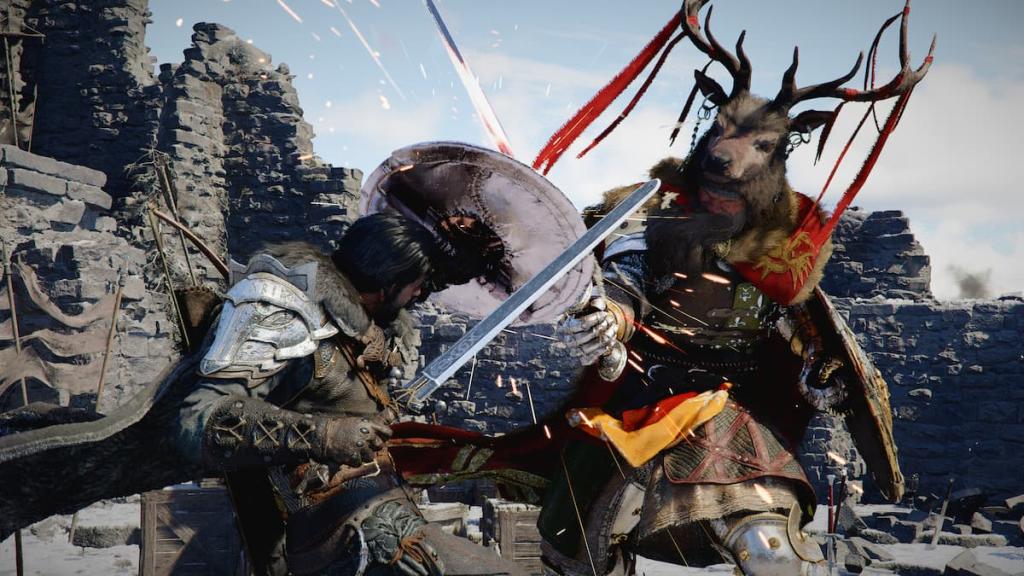
In the studio, phones lit up with the same announcement everyone was already whispering about.
Heo Jin-young, CEO of Pearl Abyss, sent a companywide note saying every employee would receive a bonus of 5,000,000 KRW — roughly $3,400 (€3,150) per person. That payment was not a PR stunt; it landed as immediate cash into payroll and into the hands of people who shipped a game. I want you to feel how rare that is in an industry where buzz often replaces bankroll.
How much bonus did Crimson Desert employees receive?
Each employee at Pearl Abyss got 5,000,000 KRW — approximately $3,400 (€3,150). When leaders pay staff directly for a hit, it’s a trust signal that travels farther than any press release.
A hallway conversation over cheap coffee turned into a small victory parade.
Pearl Abyss announced the bonus to celebrate 5 million copies sold of Crimson Desert in about a month. That milestone became the reason for a public thank-you from Heo and even praise from Prime Minister Kim Min-seok, who framed the success as a sign Korea’s game industry can compete on consoles and across platforms like Steam, PlayStation, and Xbox.
How many copies did Crimson Desert sell?
The studio reported roughly five million units moved in nearly a month. Numbers like that reshape negotiation tables with platform holders, advertising partners, and potential collaborators.
In the press room, reporters repeated a phrase that felt less like fluff and more like a pulse check.
MTN and other outlets emphasized both the sales and Pearl Abyss’s rapid post-launch updates. The game’s revival after an initially mixed reception reads to me like a product iterating in public — and reaping the rewards. When a release behaves like a tidal wave you didn’t expect, studios that respond quickly ride it instead of getting washed out.
Why did Pearl Abyss give bonuses to employees?
Heo framed the payout as gratitude for the team that “silently fulfilled their roles.” Practically, it’s recognition and retention: it rewards the people who turned a rocky launch into sustained sales through patches, community outreach, and content updates.
An awards speech from the prime minister turned the moment into national momentum.
Prime Minister Kim Min-seok publicly congratulated Pearl Abyss, saying the achievement signals an expansion of Korean games across consoles. That kind of political spotlight transforms a studio win into cultural currency, attracting investors and policymakers to back K-games as part of K-content. It’s a lighthouse in a storm for other local developers hoping for similar support.
I’ll say it plainly: paying staff for a hit is both moral and strategic. You keep talent, build loyalty, and send a message to the market that success will be shared — and that matters when teams are the product’s true foundation. If you’re watching from another studio, publisher, or the investor side, note how this shapes bargaining power and public perception.
Pearl Abyss’s move aligns them with modern expectations of accountability and care. It also raises a question you should be asking about your own industry players: when success lands, who gets to benefit first?