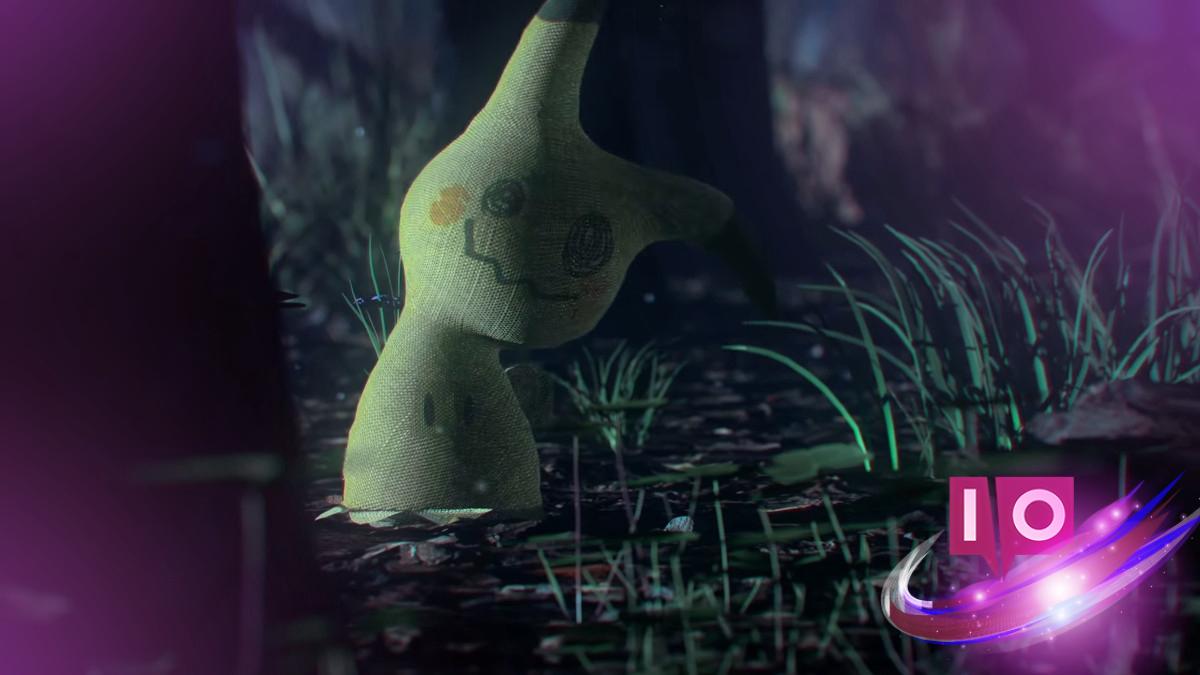
I was three videos into a binge when my feed blinked — PokeNational Geographic had vanished. One moment a Baltoy tilted in slow motion, the next the channel’s page said it was struck down. That sudden silence lands harder when you watched an artist grow with an audience.
I’ve followed fan creators long enough to know how fragile that growth feels, and you should too if you care about creative work on platforms run by corporate copyright teams. I’ll walk you through what happened, what Nintendo of America claimed, and what it means for anyone who models, rigs, or narrates Pokémon in public.
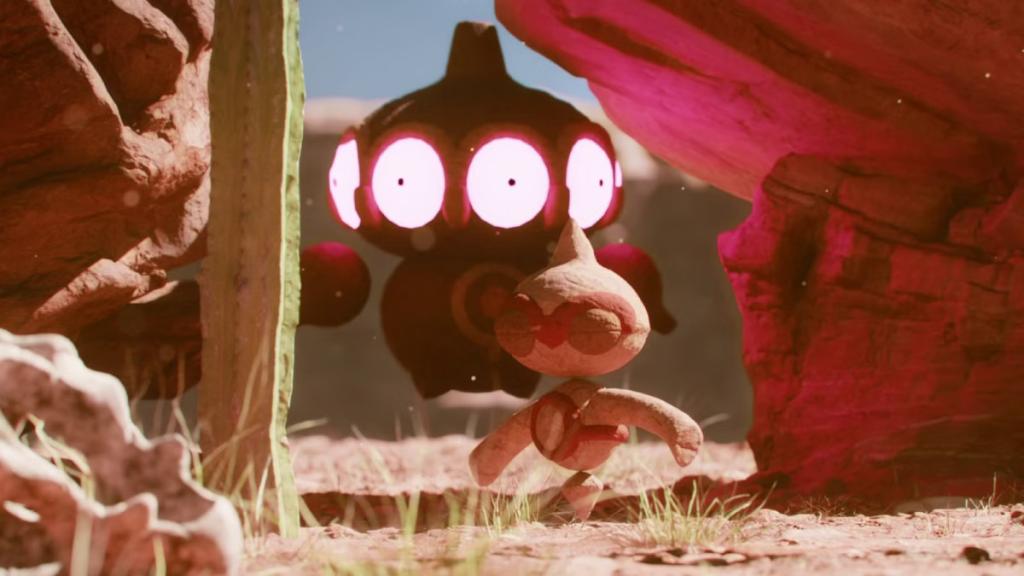
You noticed the videos because they made Pokémon feel real.
PokeNational Geographic — the channel by EliousEntertainmentYT — didn’t just animate creatures; it gave them habitats, quirks, and a narrator with the exact cadence of a nature doc. The series used Blender and hand-built 3D models, and the result looked less like fan art and more like an alternate episode of a nature show narrated by a Professor Ginkgo with a David Attenborough vibe.
The channel was a living field guide: clear frames, convincing motion, and short narrations that taught you things you didn’t know you wanted to learn about Pokémon. That emotional precision is why the fanbase swelled to almost 100,000 subscribers in three years.
Why did Nintendo issue copyright strikes?
Nintendo of America claimed the animations used “content from Pokémon video games, including audiovisual works, characters, and imagery.” Elious pushed back publicly in a video posted on April 26, 2026, saying he sculpted every model from scratch and only used tiny snippets of pixel cries — no more than three seconds each.
That defense is familiar: creators argue independent modeling plus minimal audio sampling should be safe, and platforms like YouTube and tools such as Blender are central to the argument. But copyright enforcement doesn’t rely on nuance; it relies on rights holders filing claims. YouTube allows up to three strikes before a channel faces termination, and Nintendo appears to have applied them in quick succession.
I watched Elious explain the strikes on a separate channel before the account blinked out.
He described the strikes as rapid and targeted, and he showed his process: original models, custom rigs, and short audio clips he believed were fair use. Still, the strikes stuck. YouTube’s mechanics — automated flags, rights-holder submissions, and a three-strike termination rule — stacked against him.
Nintendo is protective of its IP, and historically it has enforced takedowns against fan projects when perceived commercial risk or brand control is at stake. The company’s actions read like a steamroller to some creators: efficient, indiscriminate, and final.
Can I use Pokémon assets in my videos?
Short answer: you can make fan works, but you can’t rely on safe passage. Platforms and creators have tools — Blender for modeling, YouTube for hosting, and DMCA counter-notice processes — but those tools don’t guarantee protection. If Nintendo asserts infringement, the platform often honors the rights holder while disputes play out.
If you depend on a portfolio hosted on YouTube, consider duplicating work to a personal archive and sharing reels on portfolios hosted on sites that offer more creator control.
At least two animators messaged me saying they’re suddenly rethinking portfolios and public demos.
Creators are staring at a reality where a single rights-holder decision can erase years of uploads and thousands of subscribers. Elious said he planned to keep making content on a new channel but wouldn’t produce more Pokémon videos; he’s downloading his work for personal backup and to show prospective employers. That move is practical — and painful.
For creators, platforms are both stage and storage. YouTube, Patreon, and social channels let you grow an audience; they also centralize risk. When a brand like Nintendo enforces IP, your public catalog can disappear overnight.
There are no easy playbooks, but practical steps help: keep local backups, watermark or timestamp original work subtly, post showreels on personal sites, and maintain relationships with studios or schools that can verify your contributions. I’ve seen portfolios saved because an animator had their own domain, and I’ve seen work vanish when creators trusted a single platform.
Fans noticed the absence before the press did.
When a beloved channel disappears, it fragments a community. Videos that once seeded discussions, fan theories, and career opportunities turn into broken links. That loss matters: fan labor often fuels fandom economies and future professionals.
Nintendo’s enforcement protects IP, but it also clears a lot of creative ground. The question for platforms and rights-holders is whether there’s a humane middle ground for fan-made, noncommercial tributes that use tools like Blender and short game audio.
I won’t pretend the legal lines are simple. You face a system where copyright claims are procedural and creators are emotional stakeholders. You can be meticulous with original models and still lose if a rights-holder decides to push claims.
So what now? Backup your work, diversify where you host it, and document your process so you can prove authorship quickly. Tools like Blender, Git-based asset repositories, and personal domains are small frictions that buy resilience.
The channel’s removal is both a warning and a prompt: communities and creators must plan for erasure while brand owners must weigh public relations against brand control. Which side will change first, and who pays the price for rigid enforcement — creators or audiences?