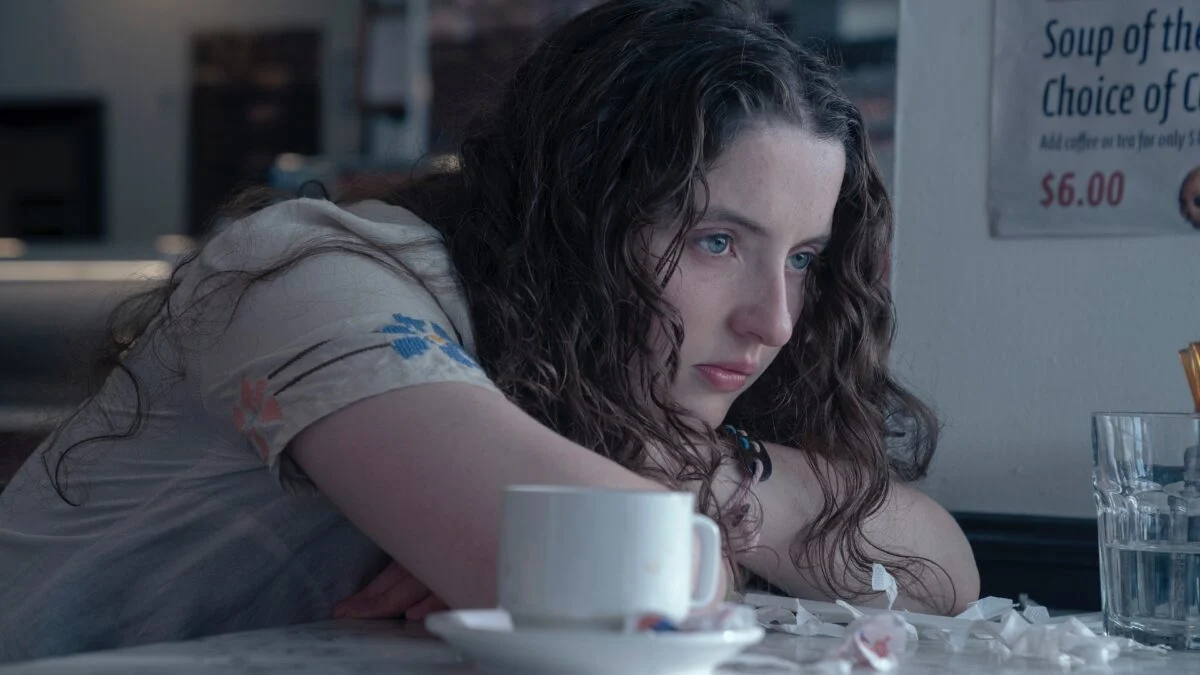
I saw Rita step into a cramped Toronto kitchen and felt the room tilt. You know the type: practical, scarred, uncompromising—the kind who teaches survival in one blunt sentence. I want to show you why her return matters, and why Daisy’s undercover mission suddenly looks less like a gamble and more like a loaded bet.
On a late-night diner shift, someone learns the real cost of keeping secrets
I’ve spent years watching how television borrows the language of trauma to make character choices feel earned, and The Testaments uses Rita to do exactly that. Amanda Brugel’s Martha—already familiar to The Handmaid’s Tale fans—arrives here not as a cameo but as a mechanic for the plot: she stitches together Daisy’s broken origin story, supplies a passport, and coaches a terrified teenager into becoming a Mayday asset. You watch and you realize the show is asking you to carry two histories at once: the public myth of Gilead and the private grind of resistance.

On a subway, you can overhear people argue about which return matters most
If you follow the showrunner Bruce Miller or check coverage on platforms like Hulu and Disney+, you’ll notice the series trades in history as leverage. Rita’s presence reframes Daisy: she’s not just a victim or a plot device—she’s being shaped into a deliberate weapon. I watched the episode and felt the shift: what looked like rescue becomes a mission brief. Rita tells Daisy, “You protect yourself by following their rules,” and the line lands like a lodged splinter you can’t ignore—small, persistent, and impossible to forget.
Who is Rita in The Testaments?
Rita is the same Martha viewers met under Commander Waterford’s roof in The Handmaid’s Tale. Played by Amanda Brugel, she evolved from quiet supporter to an active Mayday operative in the original series. Here, she functions as Daisy’s handler and guide, the outside world’s practical hand inside a violentocracy.
On a school playground, kids trade rumors like currency
That same economy of rumor powers Daisy’s cover. The episode maps out the logistical work—passport, fake police record, a tattoo that later gets removed—and the psychological prep: the warning not to trust anyone. Rita teaches Daisy to be a “sponge,” soaking up information, but Daisy’s anger threatens that assignment. She doesn’t want to be passive; she bristles at being told to wait. The show uses these small details to build tension: every procedural step makes her infiltration more plausible and the stakes higher.

How does Daisy end up undercover in Gilead?
Rita and the Mayday network hatch a plan: Daisy, a Canadian-raised teen whose adoptive parents were killed by agents tied to Gilead, is smuggled back in as a runaway. The show stages every believability enhancer—false records, scars/ink, a backstory rehearsed until it sounds natural. Lucy Halliday’s Daisy sells the persona, and once inside she’s placed among the Pearl Girls to infiltrate Commanders and the Eyes.
On a conference call, people trade power like it’s a software license
There’s also a sharper political read here. The Testaments returns not just characters but arguments: who pays for resistance, who gets to risk themselves, and how guilt is distributed. The episode tightens the connective tissue between the two series—Margaret Atwood’s world and the television extension—by showing that rebellion is logistics as much as heroism. Rita’s lessons read like a survival manual that began in the kitchens of Gilead and continues in Canadian basements.
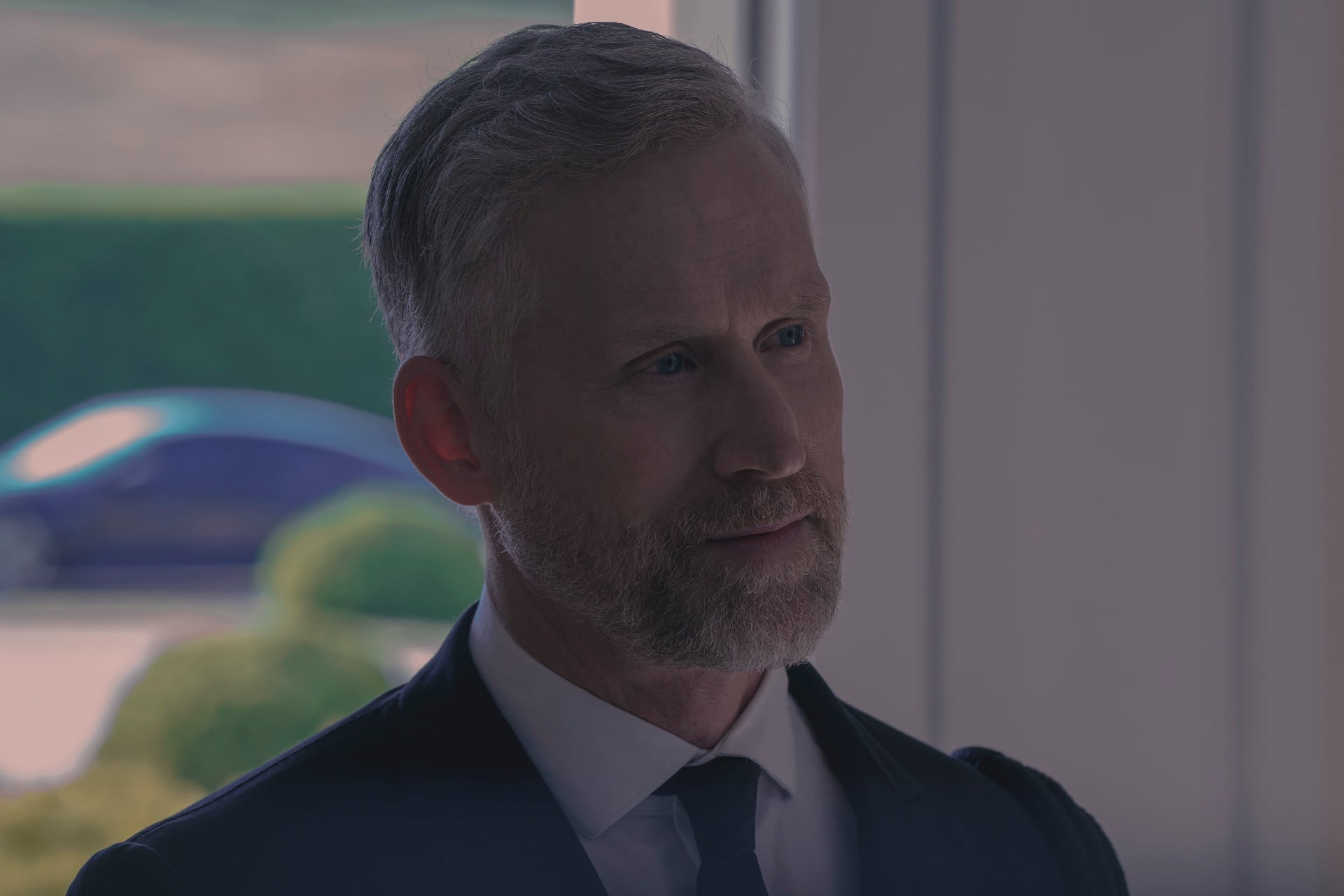
Why does The Testaments bring back characters from The Handmaid’s Tale?
Because continuity buys narrative authority. Returning figures—Rita, June’s echoes, Commander Westin—anchor new plotlines to emotional history and give viewers reason to care. Platforms like Hulu and Disney+ rely on that emotional equity; the show’s producers trade on existing attachments to push plot directions that would otherwise feel abrupt. The gamble works when the return rewrites a character’s moral ledger, and here Rita’s presence reframes what rebellion looks like at ground level.
On a dim living room couch, you hear the debate start
I want to be blunt with you: Daisy’s anger makes passive surveillance impossible. The episode closes on her decision to act—she refuses exile and chooses infiltration instead, but the voiceover hints she won’t be satisfied with just collecting secrets. Her plan quickly turns from a careful sponge into something else, a weathered map with burned edges that still points toward targets. That shift creates momentum: this story will test whether sabotage or information wins in a regime built on ritual and fear.
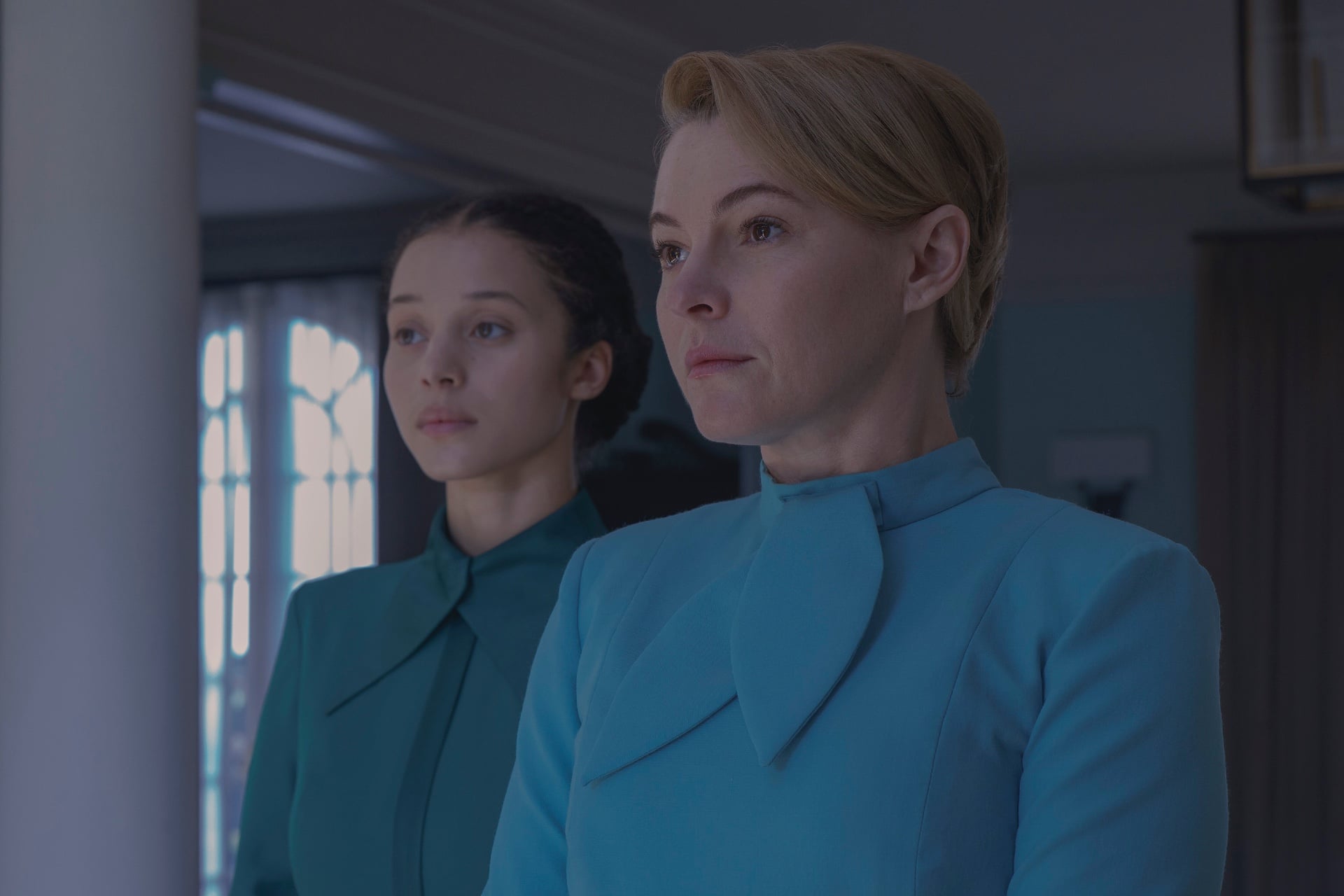
If you watch The Testaments on Hulu or Disney+, watch for the work scenes—the passport handoffs, the dossier briefings, the quiet coaching moments—because they are where the show turns emotion into strategy. I’ll be watching how Daisy answers Rita’s rule: follow them and don’t trust anyone. Will she obey the script, or will she start writing her own?