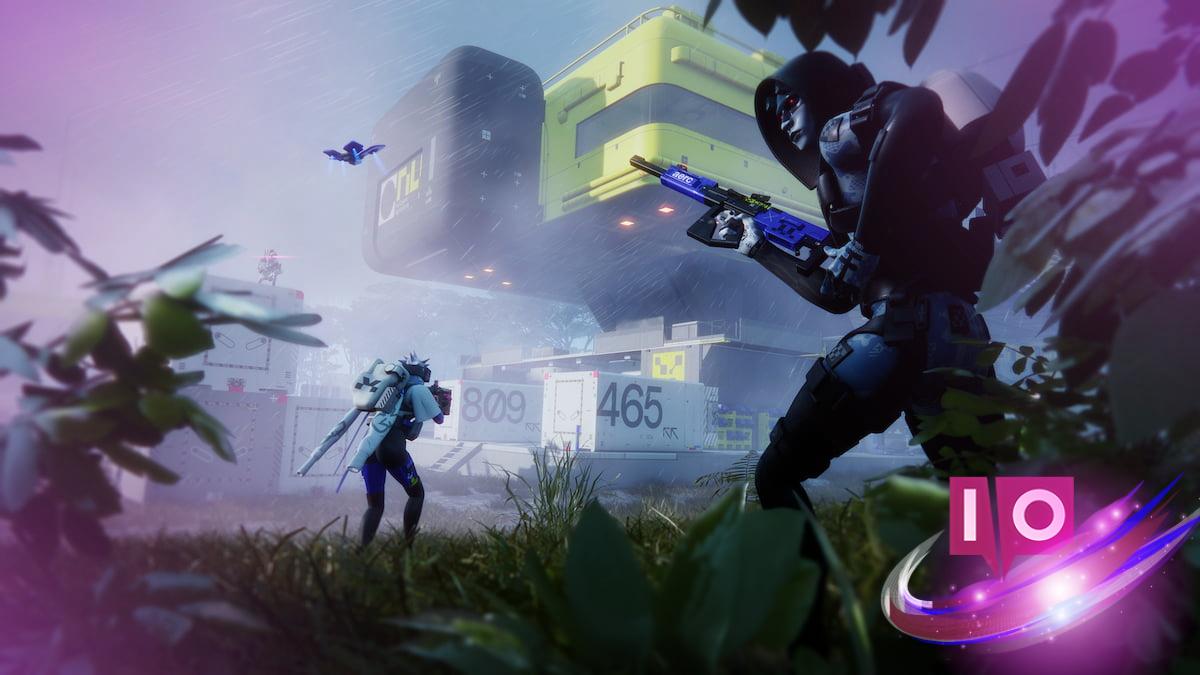
I was on the call when Sony’s CFO quietly read the number that changes a narrative: a $765 million markdown on a studio bought for $3.7 billion. You could feel the room tilt—for investors, for Bungie, and for anyone who cares whether Marathon makes it. If you follow PlayStation and Bungie closely, this is the moment you pay attention.

In a glassed conference room, Lin Tao put numbers on Bungie’s future
I read the same slides you did: Sony disclosed a $765 million USD (€705 million) impairment tied to its 2022 acquisition of Bungie, which it bought for $3.7 billion USD (€3.4 billion). That markdown is an accounting admission—the expected sale value of Bungie has been cut by that amount since the purchase.
I say it plainly because accounting isn’t drama unless you care what it means for studios and players. For Sony, this is a financial reset. For you, it matters if you love Bungie’s franchises or worry about where your favorite live-service games might head next.
Why did Sony write down Bungie?
Tao explained earnings from Bungie’s portfolio “did not reach our expectations,” so Sony revised the business plan and impaired fixed assets (except goodwill). In short: sales and revenue fell short of forecast, so the company adjusted the balance sheet. That doesn’t automatically mean a sale is coming, but it does shrink the margin for error for underperforming titles.
On Steam and Metacritic, players are sending mixed but hopeful signals
You can see the split in plain sight: review sites and storefronts are giving a different verdict than Sony’s profit-and-loss statement. Marathon sits at a Metacritic score of 82 and has more than 90 percent positive reviews on Steam, and Sony specifically called out “high” retention among core players.
I trust those signals more than a headline: engaged players who keep returning are worth more over time than a spike of purchases and disappearances. That’s why Sony says it will add content and polish gameplay to keep those users around.
Is Marathon successful?
It depends on what you measure. Critically and in player sentiment, yes: good reviews, high Steam positivity, solid retention. Commercially, no—Sony admits sales and engagement haven’t matched their financial plans. The company plans a second content season for June to test if increased investment can widen the player base.
Marathon is a lifeboat in a storm for fans—small, seaworthy, and worth bailing for now.
Backstage, Bungie is juggling two different bets: Destiny 2 and Marathon
If you’ve followed Bungie, you know the studio’s attention is split. Destiny 2 recently postponed a large update and promised more information in June; development resources and community goodwill are finite.
For Sony, the strategic question is whether to beef up support for Marathon—additional seasons, live-service systems, marketing on PlayStation and Steam—or accept the impairment and let the studio refocus elsewhere. That’s a business call, and you should expect hard-headed metrics to decide it.
Will Sony sell Bungie?
Not necessarily. A write-down reduces the book value, but it doesn’t force a sale. Sony can keep Bungie and try to grow revenue from existing titles across PlayStation Network, Steam, and live services. But if revenues don’t improve, you and I both know tougher choices follow.
Sony’s move felt like someone patching a quilt: repair the obvious holes and see if the fabric holds under the next storm.
I’ve watched these cycles: strong critical reception can buy time, but cash flow pays the bills. You want more content for Marathon, and Sony wants numbers that justify the bet—what happens if the content fails to deliver?