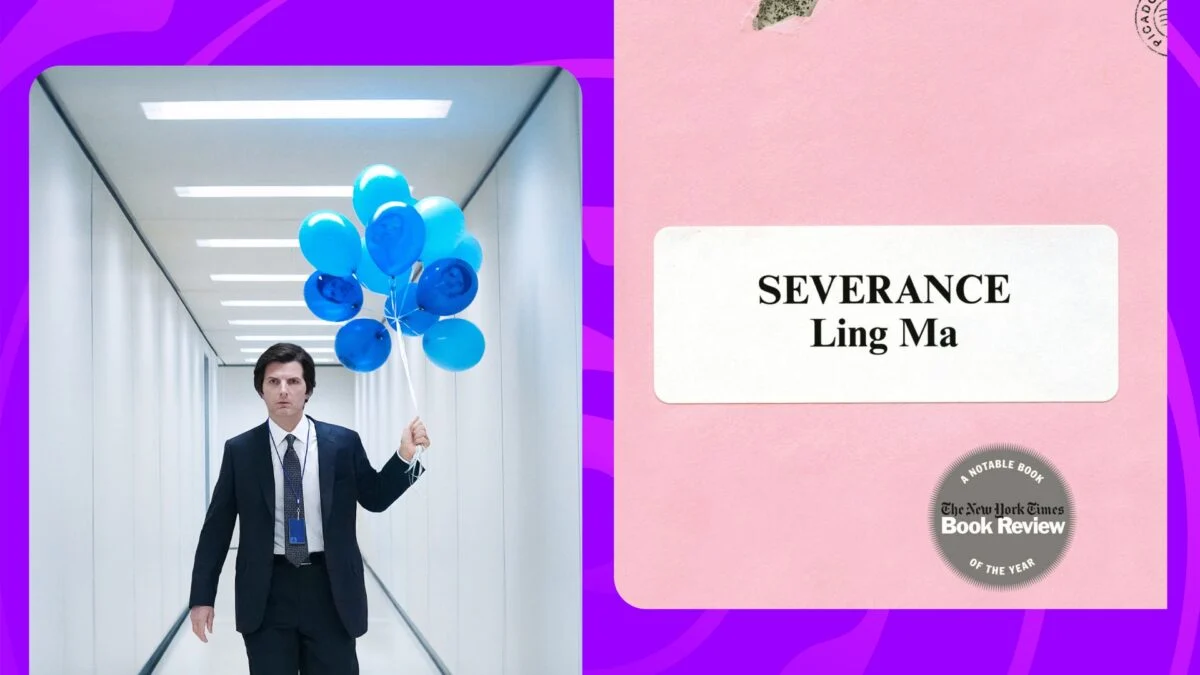
I was halfway through a checkout line when a teenager asked if I’d seen the new Severance on Apple TV. I said no, then fished a battered paperback from my tote and felt the cashier’s eyebrows climb. You can see the moment you’re about to be that irritating person who corrects everyone in the room.
I’m going to be that person. You’ve probably met the Apple TV hit; Ling Ma’s Severance—a 2018 novel—deserves the same eyeballs for a different reason: it uses memory as an engine to drive a zombie story into satire, grief, and quiet fury.
I found the book in a cramped Chicago bookstore on a rainy afternoon. Names can be cruel: when two works share a title, one becomes shorthand and the other a footnote.
The Apple TV series has become the shorthand. That’s why so many readers miss Ma’s paperback, even though it’s sharp enough to deserve a spot on your shelf next to titles from Farrar, Straus and Giroux and Macmillan. The novel isn’t an “office thriller” in the show’s sense; it’s an intimate apocalypse rooted in corporate tedium and the strangely ritualistic habits that keep us human.
Is Ling Ma’s Severance the same as the Apple TV show?
No. They share a name and an interest in what memory does to identity, but they arrive at that question from opposite directions. The show literalizes corporate split-consciousness; Ma dramatizes how routine and unpaid labor can hollow you out until a fungal pandemic makes the hollowness visible. If you want the Apple TV version, stream it on Apple TV+. If you want a book that reads like a social essay disguised as a catastrophe novel, read Ma’s.
My phone buzzed like a minor alarm the week I opened the book. The novel’s virus doesn’t eat flesh so much as erase the present.
Shen Fever behaves like a parasitic fungus—think of the way some real fungi reroute insect behavior—and it traps people in ritualized loops: folding shirts, setting tables, brushing teeth, until their bodies rot away. Ma’s prose is a scalpel: precise, satirical, and spare, cutting away the nonsense to reveal what’s left when routine is the only oxygen you breathe.
What is Shen Fever in Severance?
Shen Fever starts as a fungal infection and ends as a compulsion. Victims aren’t violent; they’re hollowed-out automata, performing domestic chores like actors on repeat. The horror is psychological—the loss of the present, the slow crystallization of nostalgia into cement. If you’ve seen fungal horror in The Last of Us, Ma’s version asks a different question: what happens when capitalism trains us to be fevered before the virus arrives?
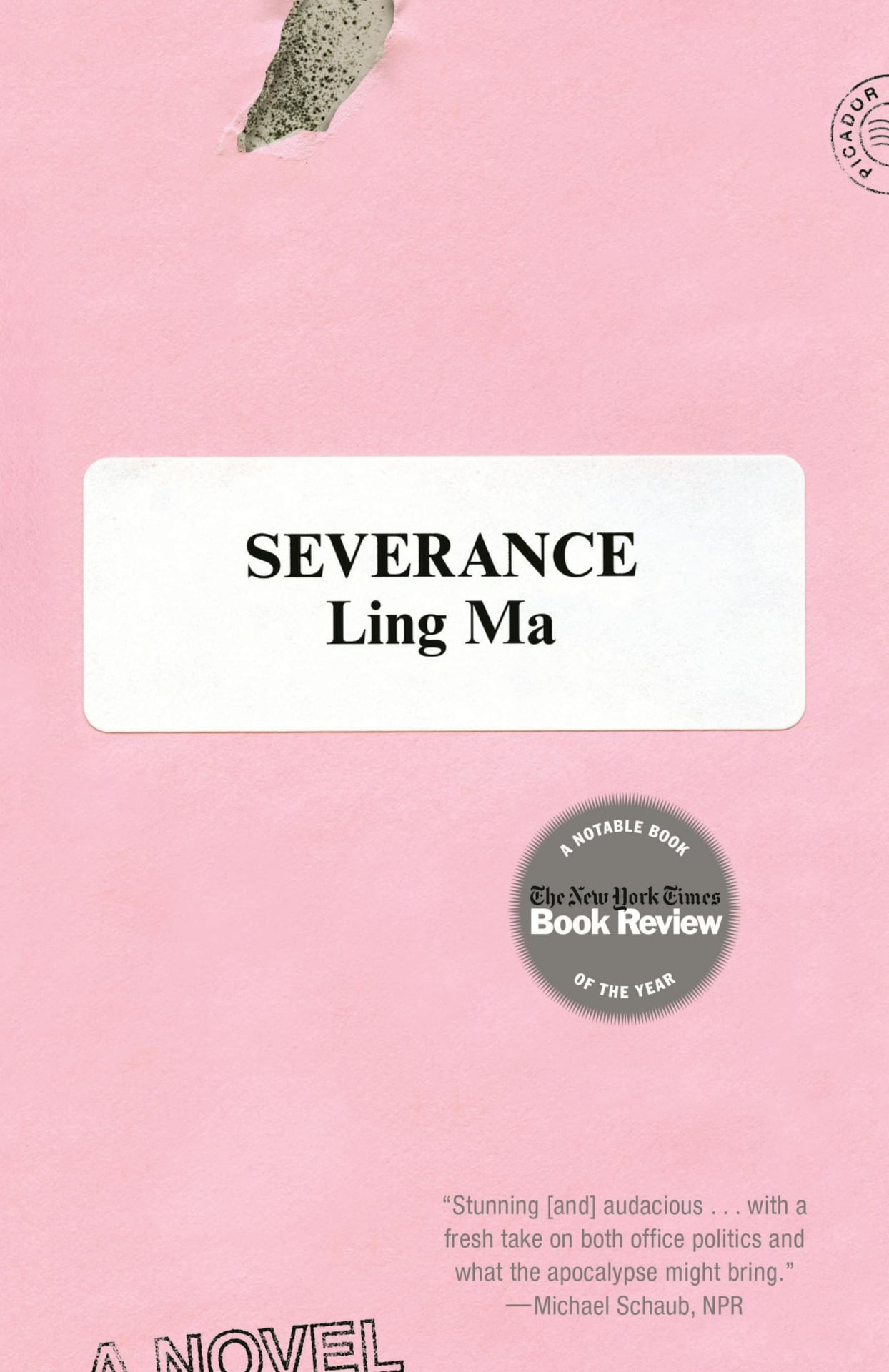
I read Ma right after a layoff notice landed in my inbox; the day felt thin and ordinary. That proximity made the book land harder.
Candice Chen, the narrator, lives through two monotonies: the cubicle grind before the fever and the ritualized survival afterward. Ma wrote the novel on severance pay—The New Yorker and PBS have both noted that detail—and that fact gives the story an authority it doesn’t need to borrow. When you read it you’ll recognize the small cruelties of modern office life: empty mission statements, unpaid overtime, and the illusion of stability that evaporates when a payroll email arrives.
How are Severance and The Memory Police similar?
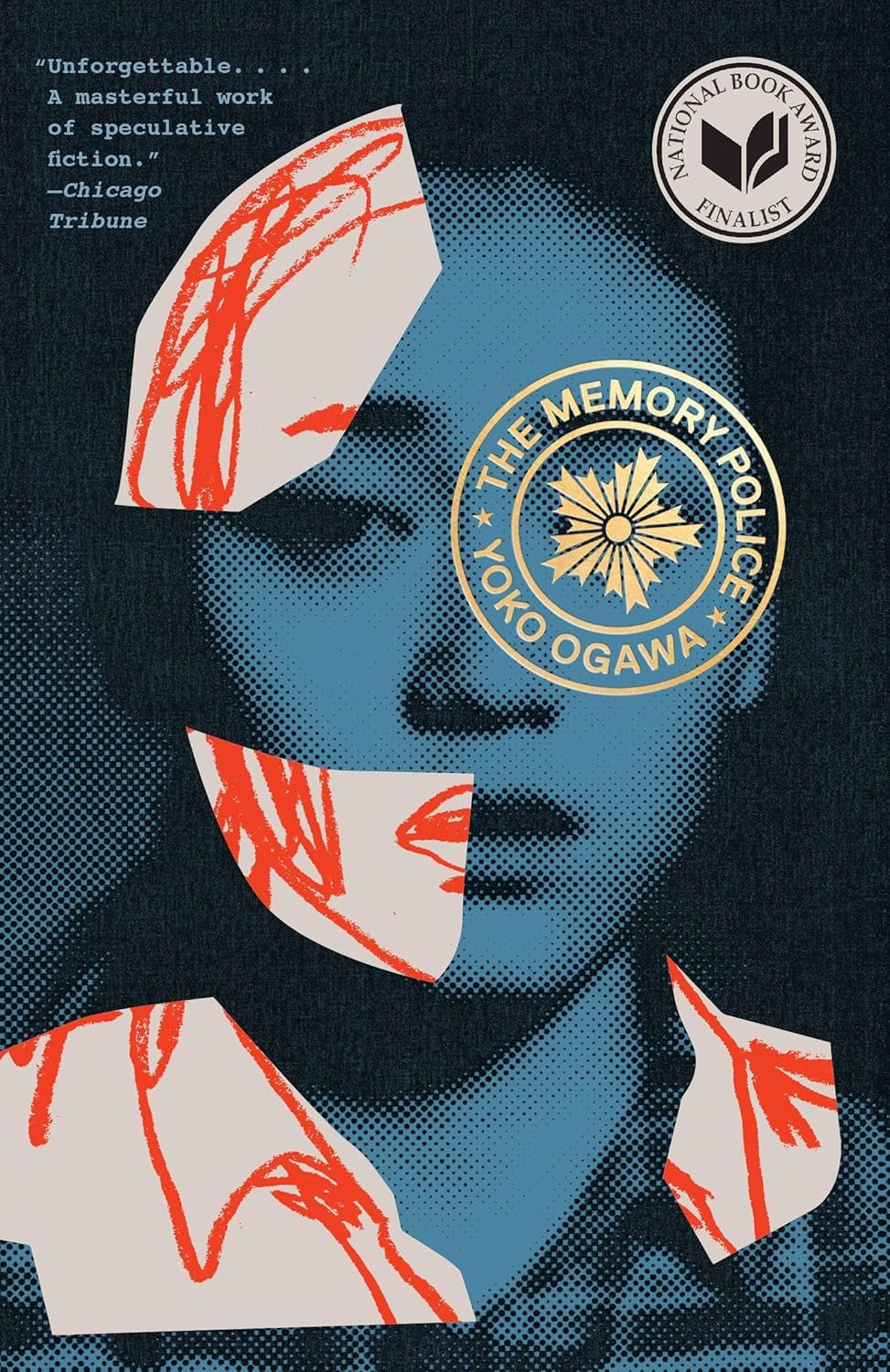
Both novels treat memory as a political force. Yoko Ogawa’s The Memory Police stages a world where objects and words disappear and citizens are coerced into compliant amnesia; Ma stages a society where rote labor and nostalgia act as social anesthetic. Read them back-to-back and you’ll see memory weaponized in different registers—one quietly bureaucratic, the other wry and acid. If you follow film news, you might note Lily Gladstone attached to the Memory Police film adaptation; that kind of casting signals the literary seriousness producers see in Ogawa’s work.
I posted a short Goodreads review and watched strangers tag the show in the replies. Names matter for discoverability.
From an SEO angle this is a case study in keyword collision: a popular TV series eats search real estate for a perfectly good novel. If you search “Severance book” or “Ling Ma Severance” on Google or Wikipedia, you’ll get what you’re looking for—but casual browsing will favor the show. That’s why you might see the paperback sitting unloved on a clearance table even as the streaming adaptation dominates headlines on platforms like Apple TV+, The New Yorker, and Gizmodo.
If you want a pairing in your reading queue, pick Yoko Ogawa’s The Memory Police to ride shotgun with Ma’s book. Both interrogate how societies forget, how institutions erase, and how private grief can feel like public policy. Reading them back-to-back is like holding two mirrors up to the same house and finding different ghosts in each one.
So: will you ask for Ling Ma’s Severance when the next bookstore clerk assumes you mean the show?