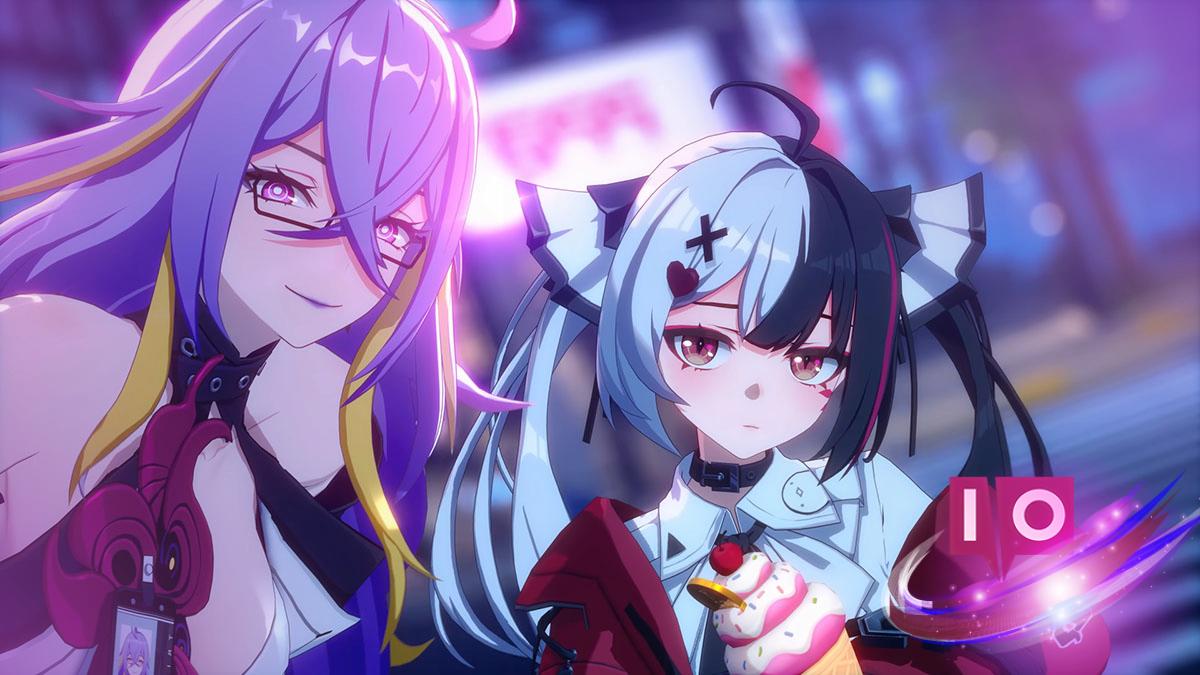
I watched a player freeze on a screenshot and point. The billboard in the background had been swapped, but something about it felt wrong. That split-second of recognition told me a story about how fast AI is seeping into games.
I’m writing from the viewpoint of someone who follows this beat: you learn the cues, the shortcuts, the patterns. You should care because this isn’t just a sloppy background poster — it’s a signal about how studios balance speed, cost, and creative credit.
Someone on X posted a replacement billboard that still looked machine-made — here’s what happened
The team behind Neverness to Everness said they would remove generative assets that slipped into the final build, and to their credit, some items were patched out. But players noticed one billboard that was swapped only to be replaced with another image that still bore the hallmarks of AI: mismatched clouds, odd shadows, and too many small, unnecessary details for what should have been background art.
I guess it didn’t matter enough because the assets you replaced are STILL AI generated. What is the point if you’re just going to keep lying to your playerbase? https://t.co/sdn4SFlFs1 pic.twitter.com/sBKr1sgHBN
— ViviVovo (@_ViviVovo_) May 7, 2026
Did Neverness to Everness use AI-generated art in its game?
Kotaku reported the sequence: devs posted on X that NtE leaned on AI-assisted tools for a small number of background and environmental assets, not for characters or story. Still, the moment a player spots a reused or clearly generated asset, trust frays. You’re not just seeing a visual glitch — you’re seeing an editorial choice.
People pointed out the Makoto Shinkai echo and developers reacted — yet the fix recycled the same toolset
Fans immediately compared some images to the aesthetic of Makoto Shinkai films, and that comparison stuck because AI models often trace, mimic, and compress recognized styles. The studio removed several assets but replaced at least one with a freshly generated image that shared the same telltale flaws. It felt like watching a photocopier jam on the same page: the copy changes, but the pattern repeats.
Why are gacha games full of AI assets?
Gacha titles run on a race against time and budget. Free-to-play monetization, endless content drops, and microtransactions mean studios must produce art fast. Tools such as Stable Diffusion, Midjourney, DALL·E, and prompt-driven pipelines plugged into engines like Unity or Unreal can shave weeks off asset production. That speed comes with compromises: background posters, billboards, and minor props are easy targets for automated generation.
Fans refused to accept the copy — their pushback forced transparency and a partial rollback
When players complain, the pressure is real: press outlets like Kotaku amplify the story, social platforms fold it into wider debates, and studios respond with patch notes. I admire that the NtE team moved to remove suspect assets. Still, replacing a questionable AI image with another AI image keeps the same ethical problem — mimicry of living artists, and the erasure of labor that produced the original styles.
A small example today could become standard practice tomorrow — and that matters
We’ve already seen instances where AI filters produced Ghibli-like frames in other games, and some gamers found ChatGPT-generated or stylized assets showing up in major titles like Call of Duty. If repeated substitutions go unchecked, the industry risks normalizing a pattern where cheap, fast images replace human-crafted work. That foundation feels like a fragile house of cards if you care about artistic lineage and credit.
What to watch for next and what you can do
Notice the small signs: inconsistent shadows, too many cloud types, awkward hands or faces in crowd shots, and repeated motifs popping up across different assets. Check patch notes and developer statements on X or official forums. Demand transparency about pipelines: were images generated in-house with licensed models, or scraped from existing artists’ work? Callouts have prompted studios to remove or rework assets before, and that pressure matters.
I’ll give the Neverness to Everness team credit where it’s due: they acknowledged the problem and acted. But when “replacement” means “regenerate with the same tools,” the conversation shifts from error correction to industry values. If AI is going to be part of game production, how do we keep craft and credit visible — and when does fast production become theft?