
I dropped the PS5 controller onto the couch and told my friend to try Selene—he played five minutes and shut it off. A year later he finished Saros in one sitting and asked why I’d ever given up on Returnal. That moment felt like a small personal epiphany about what difficulty should be: optional, not exclusionary.
I’ve chased punishing games for years: FromSoftware’s gauntlets, rogue-likes that chew you up, platformers that punish a mistimed jump. You and I both know those wins feel earned. But Housemarque’s Saros did something clever—I found my way back to the thrill without the humiliation, and it matters.
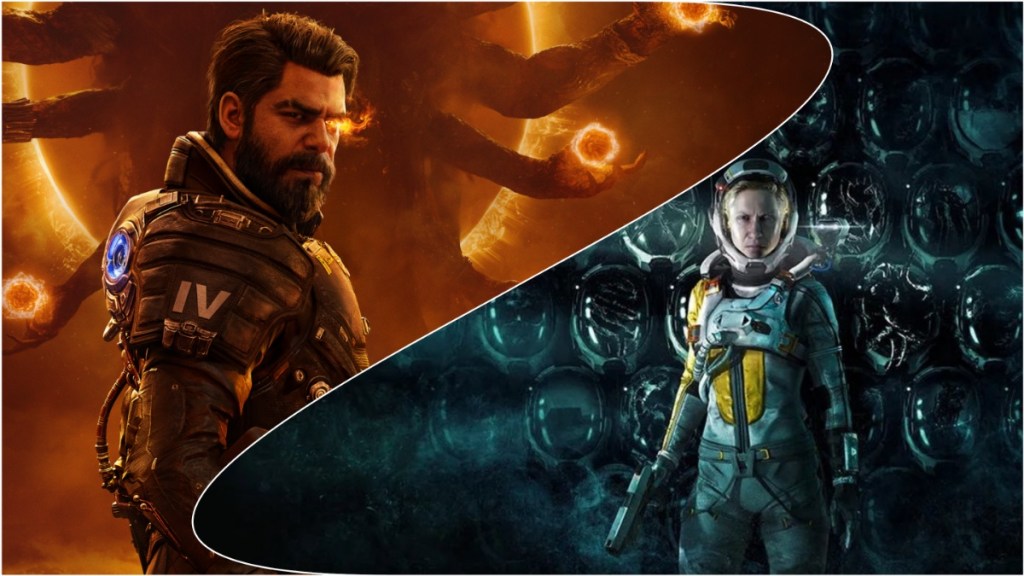
Saros vs Returnal: Difficulty Done Right!
I watched my roommate rage-quit Returnal after a five-hour run erased by one mistake. That single evening crystallized a problem: great design can be locked behind a wall of frustration.
Returnal debuted on the PS5 and reminded players what a next-gen shooter could be—beautiful, precise, and merciless. That merciless streak is part of its DNA: roguelike loops, permadeath, and long runs that demand near-perfect execution. Great for a subset of players; excluding for most. Housemarque didn’t abandon that DNA with Saros. Instead, they rewired it.
How is Saros different from Returnal?
Think of Returnal as a steep cliff climb—Saros builds a system of trails up that mountain. Housemarque converted many of Returnal’s pain points into player choices. Where Returnal leaned into permadeath and limited long-term progress, Saros embraces a rogue-lite meta progression with a meaningful skill tree. Progress stacks across runs now, so a bad session feels like data for your next attempt instead of punishment.
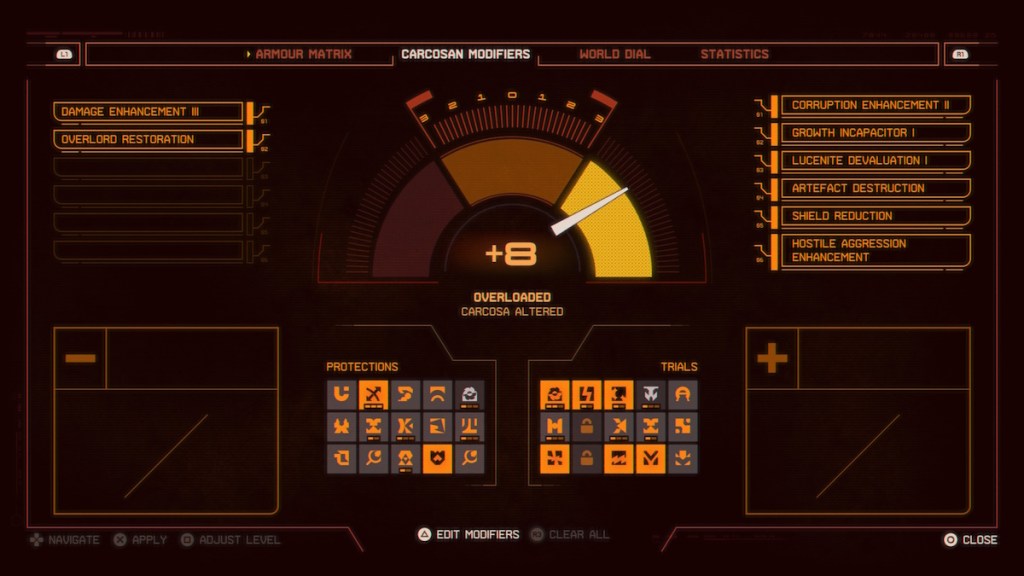
Saros also fixes pacing. Runs in Returnal could overstay their welcome; Saros introduces a teleportation mechanic that lets you choose your starting biome so you can jump into a short session or commit to a long haul. And then there’s the Carcosan Modifier—a design that deserves a slow clap. It hands you a balanced trade-off system: take on a painful debuff and gain a matching boon. It’s a locksmith, not a sledgehammer—precision tools that open doors rather than blow them off their hinges.
Can you adjust difficulty in Saros?
Yes—and not with a blunt slider. The Carcosan Modifier and the biome selector let you tune the experience on a systemic level. Want the raw Returnal pain? Stack harsh modifiers and skip the meta boosts. Looking to learn enemy patterns without endless resets? Take milder penalties and build your character between runs. Saros hands agency to the player so the difficulty curve becomes a choice, not a bottleneck.
Housemarque managed to do this while keeping the visceral combat and environmental design players loved in Returnal. The gunplay, visual feedback, and sense of momentum are intact; the fail-state no longer smells like finality. Saros keeps the thrill and removes the social cost of teaching friends how to play.

Housemarque’s Saros Approach Is the Blueprint Every Tryhard Game Needs
I handed Elden Ring to a buddy who’d never played a Souls-like; he slammed the disc back and said, “This isn’t for me.” That quick rejection is the real-world cost of uncompromising difficulty—lost players, fewer shared victories.
If you make difficult games because difficulty is identity, fine. I respect that. But Saros shows you can preserve identity and expand the audience. The game invites players into the same emotional arc veterans chase: tension, loss, learning, and finally triumph. It does so by giving you calibrated levers—design choices rather than moralizing restrictions.
Studios like FromSoftware, developers of Elden Ring, and publishers distributing Souls-likes on Steam or the PlayStation Store would benefit from this model. Think of difficulty design as a mixing board where you tweak drums, bass, and lead to let the song hit everyone. Saros’ modifiers are basically that mixing board for challenge.
That approach matters commercially, too. On PS5 hardware at its common retail price of $499 (€460), games that welcome more players create more word-of-mouth and better retention on services such as PS Plus and Steam. Housemarque didn’t dilute their art— they expanded the audience for it.
I’m not asking studios to soften their games into indistinct mush. I want more players to feel the unique catharsis that only tough games deliver, and I also want you—the player who loves the climb—to keep your peak intact. Saros proves those aims aren’t mutually exclusive.
So what will other studios do with this blueprint—hold the gate or widen the road and bring more people to the summit?