
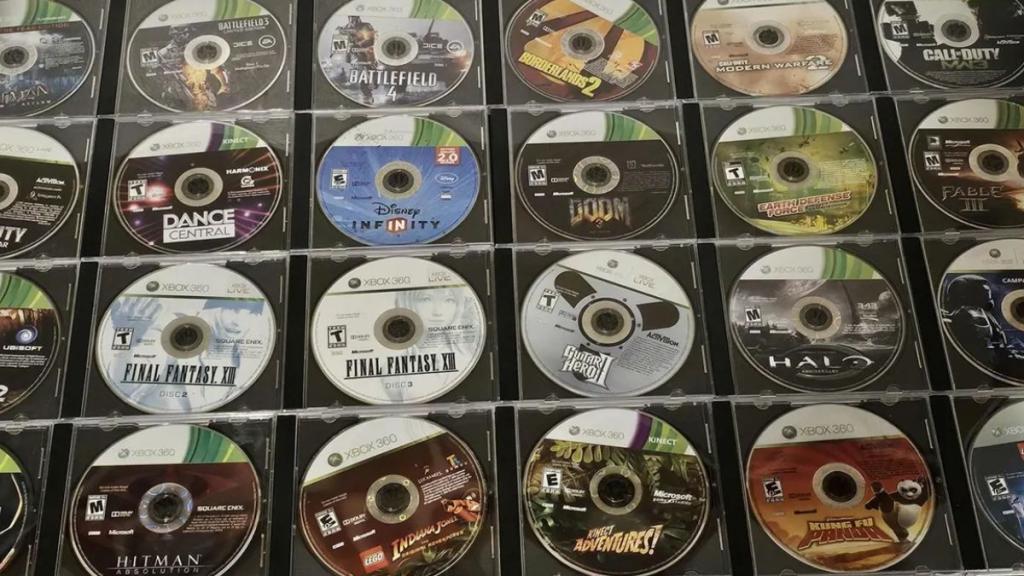
A rattled console owner sits on the couch, palm on an empty disc case, wondering if years of purchases will still matter next winter. I watched an Xbox exec carefully choose her words during a call—one slip and whole libraries could be saved or erased. You should pay attention now, because this could change how you hold value in your collection.
I’ve been following the leaks and the corporate signals for months, and I’ll tell you what the reporting actually suggests and what it probably doesn’t. You’ll get names, plausible mechanics, and the hard trade-offs Microsoft will face. Read this like advice from someone who’s watched formats die and survive.
Windows Central published leak notes and code names, and the room went quiet — here’s what that means
Jez Corden’s piece for Windows Central picked up two internal code names tied to Asha Sharma’s early moves as CEO: Project Saluki and Positron. Saluki appears focused on a new Game Pass tier in China; Positron is the whisper that matters to anyone holding discs.
Positron is being framed around a disc-to-digital entitlement system aimed at Microsoft’s next wave of consoles, including Project Helix, the fully digital Xbox rumored to ship without any drive. If true, it lets you convert a physical disc you already own into a digital license—no disc drive required to play later.
Can Xbox convert disc games to digital copies?
Short answer: the leaks say yes, but with heavy caveats. Reporters and insiders suggest Microsoft is testing a program where a disc is redeemed for a digital entitlement tied to your account. That entitlement would let you play the title on digital-only hardware such as the confirmed Xbox Helix or the Xbox Series S.
I’m cautious because this is about licenses, not file duplication. Microsoft will need a mechanism to stop one disc producing countless digital copies; otherwise publishers will object and resale markets will explode.
Stores and online threads already show people trading discs more aggressively, which raises the fraud problem
If ownership is verified by the console, Microsoft must solve a simple but messy problem: what happens to the physical disc after conversion? There are two plausible routes we’re watching.
One option is remote invalidation: after a successful conversion Microsoft marks the disc’s license as void, so the disc still exists physically but no longer redeems elsewhere. The other is an authentication model that requires the disc to be present or verified via an external Blu-ray drive during initial setup, granting temporary permission that becomes permanent on that account.
How will disc-to-digital work on Xbox?
Think of the first method as a single-use ticket activated and then canceled; the second is more like a handshake between disc and console. An external USB Blu-ray drive could let owners of discless consoles prove they hold the disc without needing a built-in drive.
Architecturally, Microsoft must balance user convenience, publisher rights, and resale fairness. If you’re a collector who sells physical copies, that balance is the make-or-break detail.
The Xbox Series S and other all-digital machines already force behavior changes on consumers, which creates pressure on Microsoft
Project Helix is pushing Xbox toward an all-digital future. That pressure flows into publisher negotiations and Game Pass economics—Asha Sharma’s China push via Project Saluki signals Microsoft is trying multiple levers at once.
For publishers, a conversion tool is both a threat and an opportunity. It could reduce friction for players upgrading to digital hardware while eroding secondary-market sales. For Microsoft, it’s a strategic move to keep your library within the Xbox ecosystem and strengthen Game Pass’s value proposition.
Will I lose access to my games if I go digital?
You shouldn’t, if the program is fair. The proposed systems are designed to preserve your access on new consoles without forcing you to keep a drawer full of discs. But remember: you don’t own software in the same way you own a book. You hold licenses, and those licenses are governed by publishers and platform rules.
I’ll tell you plainly: there will be limits. Some legacy titles might be excluded. Publishers could demand fees or opt-out clauses. If Microsoft opts for remote invalidation, your physical disc may become a collectible rather than a transferable license—your shelf turns into a museum piece.
Industry figures are already weighing in, and that’s a real signal about how negotiations will go
Jez Corden and Windows Central aren’t the only sources. Asha Sharma’s public comments about China and Game Pass, and the visible work on Project Helix, signal internal prioritization. When execs highlight market expansion and new tiers, it usually means product and legal teams are already drafting terms.
For you that means being ready to act: watch official Xbox announcements, follow credible reporters, and save receipts and account records if you plan to convert discs. Services such as Xbox Live, Xbox Game Pass, and retail trade-ins will all play a role in how smooth this is.
This could be a bridge between the era of physical discs and a fully digital future, and it might also be a test of how much control publishers are willing to cede to platforms.
I’ll keep watching the signals and the filings. If Microsoft rolls out Positron, it will reshape value for collectors, resellers, and anyone with a backlog of discs—but will Microsoft manage the fallout without angering publishers or players?