
I bought Mixtape for $20 (€18) the week it launched and watched a streamer stare blankly as music played over motion. Critics plastered it with perfect scores; players posted clips of almost no interaction. By the end of that night I felt both sold and used.
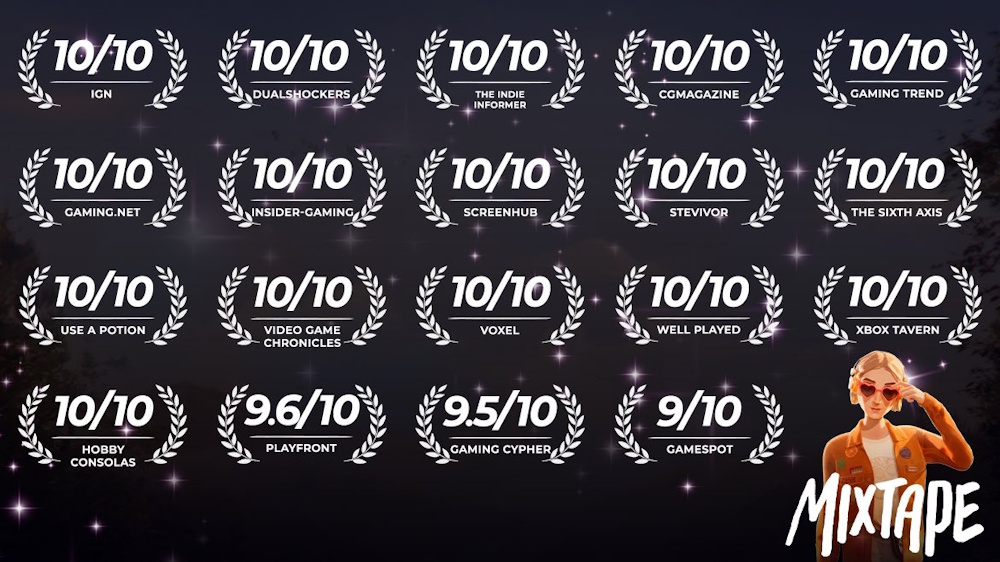
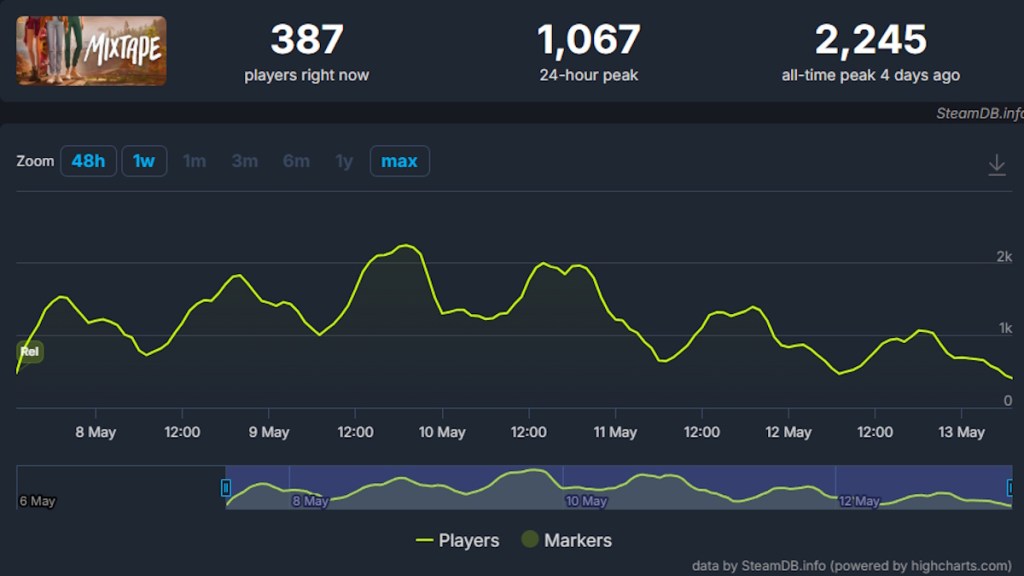
I’m writing this because you’ve probably seen the headlines: 10/10 from outlets, near-silent player counts on SteamDB, and a social media firestorm that smells less like critique and more like betrayal. I’ll tell you what I saw, who’s saying what on X and Reddit, and why this one release has split the conversation between “important art” and “paid PR.”
Critics Call Mixtape a Masterpiece, Players Call It a Bad Movie
At a friend’s apartment I watched someone play three minutes of Mixtape while their chat called it “a movie” and “a scam.”
Professional outlets—some with long-standing pull in the industry—piled praise on Mixtape within 48 hours of release. Annapurna Interactive amplified those scores on social feeds as if badge-mounting were the same as community trust. That dissonance is the first crack: critics described “moving, authentic” coming-of-age storytelling while many players saw a mostly passive experience with licensed tracks from bands like The Cure and The Smashing Pumpkins doing the emotional labor.
Content creators such as Christina Tasty posted long, unedited clips that highlight the problem: you mostly watch a story unfold. Michael Does Life called it “not even a video game” on X, and that sentiment resonated because the most complex inputs often amount to nudging a joystick while scenes play out. If you care about agency—choices that meaningfully shift narrative—this title rarely supplies it.
Why are critics praising Mixtape while players hate it?
Because critics often value authorial intent and craft—cinematic framing, licensed soundtracks, the feeling of cultural importance—while players measure return on time and interaction. When a title presents as a curated film with a controller attached, press coverage and player reception will diverge sharply.
Astroturfed Nostalgia Slop Screams of an Industry Plant
At a sub shop I overheard someone describe Mixtape as “90s nostalgia on autopilot.”
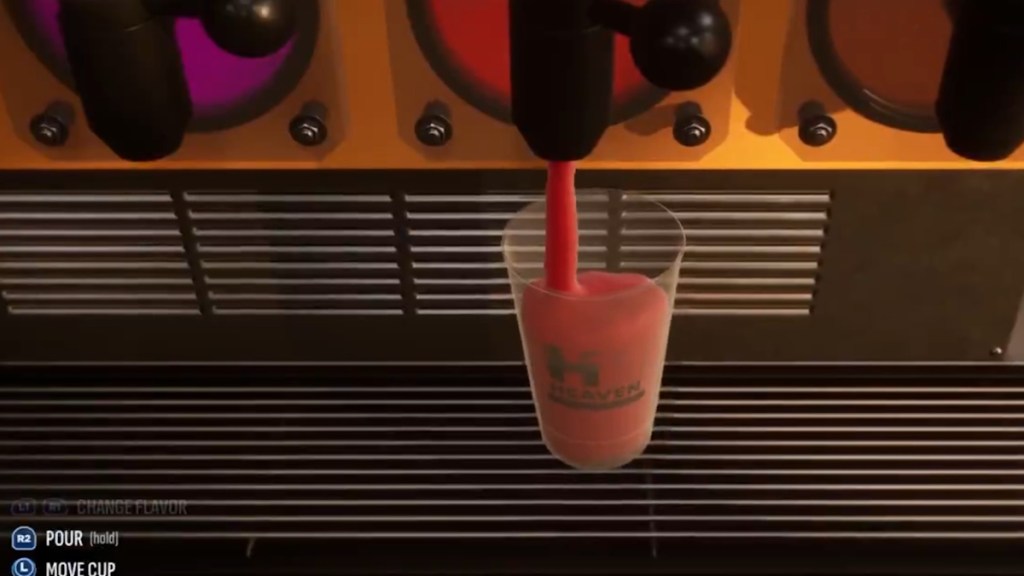
The game’s décor reads like a checklist: skateboards, slushies, mixtapes, slow-motion makeouts. None of it lands like memory; it lands like a playlist programmed to trigger a feeling. Mixtape is a jukebox with no needle—beautiful to look at but mechanically hollow. That hollowness is amplified when you realize the development team is Australian yet the setting is a hyper-specific suburban American fantasy, assembled from secondhand aesthetics rather than lived detail.
Online reactions—harsh threads on Reddit and scathing clips on X—argue this is manufactured nostalgia. SteamDB numbers showed a peak concurrent user count that didn’t match the press fervor, and players accused Annapurna of using publisher muscle and promotion budgets to position a polished, low-interactivity project as the indie experience of the year.
Is Mixtape a walking simulator or a game?
It presents as a narrative adventure but plays like a high-production walking simulator. Fans of Telltale, Life Is Strange, and interactive fiction expect choices that ripple through the story; Mixtape rarely gives those ripple effects, and that explains why many players call it a “movie you can nudge.”
Maybe It’s Time to Bid Adieu to Walking Sims
In a Discord server I visited, a longtime narrative-game fan said they felt betrayed after three hours of “watching someone else’s Tumblr memories.”
Mixtape’s most infamous moment—the x-ray makeout minigame—crystallizes the complaint: presentation masquerading as meaningful interaction. That scene was defended by some critics as brave realism; others compared it to earlier controversies surrounding Pragmata and character depiction. The inconsistency in how the press responds to intimate content matters. Players are asking why a kissing sequence with braces becomes a spectacle while other questionable uses of imagery are criticized more harshly.
The title had government grants, a full licensed soundtrack, and the marketing weight of Annapurna; yet many players felt their money bought a polished short film with a controller overlay. If you paid $20 (€18) expecting a game with mechanical depth, that mismatch fuels the outrage you’re seeing on social channels and developer comment threads.
Should I buy Mixtape?
If you value cinematic pacing, licensed music, and a short, curated narrative, you’ll find moments that land. If you want systems, player-driven consequences, or multiple endings, this isn’t the title for you. My advice: watch a long-form clip from a creator you trust before spending $20 (€18).
Players are finally resisting the idea that a cinematic sheen equals meaningful design. The critical establishment has a history of rewarding “important” games, and when a well-funded indie backed by Annapurna gets the same treatment without the mechanical substance, the audience notices. In the worst readings, Mixtape is a museum diorama of adolescence—beautiful, staged, and untouchable.

I’m not trying to cancel a style—walking sims and narrative pieces have produced some of the medium’s best work. But when a polished, heavily promoted title trades interactivity for cinematics and then gets platform-wide praise without matching community enthusiasm, it damages trust. Do you keep buying the art-school take wrapped in corporate PR, or do you start demanding games that make you feel as if your decisions matter?