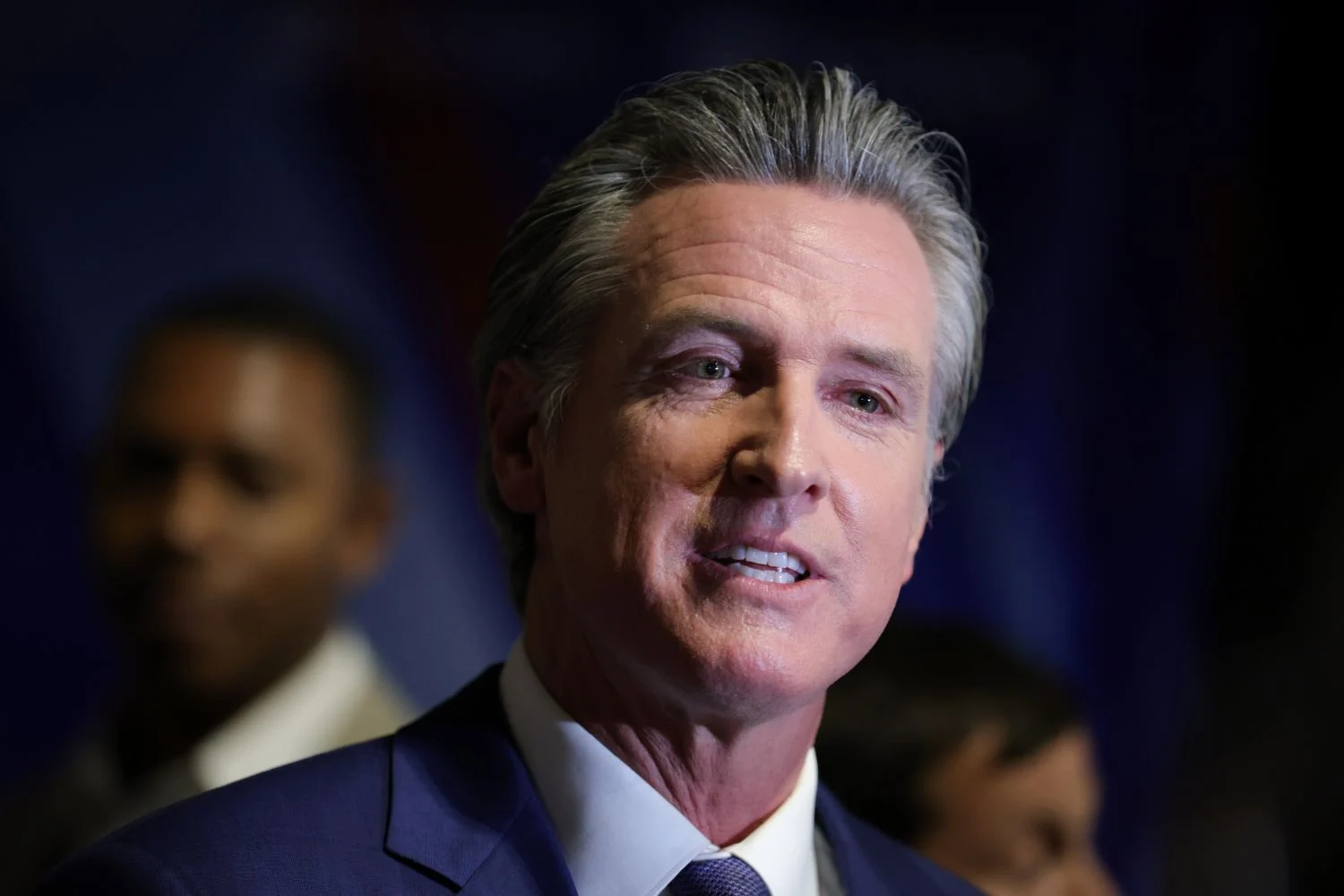
He stood in a Best Buy aisle holding a boxed software package and said it aloud: you pay sales tax on that, so why not the cloud? The budget proposal that followed landed on desks with the same blunt logic and an awkward timing. You can feel the room split between dollars and political risk.
I’ll walk you through what this means, why it matters to your business and your paycheck, and where the politics could push the idea off the page and into law.
At Best Buy, a boxed copy of Office sits on the shelf.
Gov. Gavin Newsom used that exact shelf image when he proposed a $349.4 billion (€321 billion) budget — the largest in California history — and tucked a 7.25% state sales tax on cloud-based software into the plan. “I’m at Best Buy often, and I’m paying sales tax on a lot of this pre-written software,” he said, calling out a mismatch between physical and cloud sales.
The policy change would pull software-as-a-service products into the same tax net as boxed or hardware-bundled software. Think Microsoft Office, Adobe Creative Cloud, Intuit’s QuickBooks, Slack, Workday and other SaaS platforms your team logs into every morning. About half the states already collect sales tax on SaaS, and Newsom frames this as alignment with common practice.
The proposal is a gearshift in California’s tax machine. If you run a small firm that pays for multiple subscriptions, that 7.25% adds up fast. If you buy enterprise licenses through procurement teams at scale, expect contract conversations and potential price changes.
Will cloud software purchases be taxed in California?
Short answer: that’s the goal of the proposal. The plan would make cloud-hosted, subscription-based software subject to the same 7.25% state sales tax currently applied only to tangible software sales. You and your procurement team would see the change on invoices as of Jan. 1, 2027, if the legislature signs off.
On the trading floor, the market keeps setting new records.
California’s coffers have padded up: over the past three years the state collected about $16.5 billion (€15 billion) more than expected, driven by tech and market gains.
Newsom’s office estimates the cloud software tax would raise roughly $1.1 billion (€1 billion) in its first year and about $2 billion (€2 billion) annually after that. That projection is why you’ll hear fiscal hawks nod and political consultants squint — the dollars are tempting, but projections are only as safe as the economy that produces them.
The state wants that revenue to fund ongoing obligations and new priorities. I’ll be blunt: $1 billion here and $2 billion there reshapes budget conversations, but it also shifts costs to companies that often argue they already carry heavy tax and regulatory loads.
How much revenue will California collect from the software tax?
The administration’s estimate is $1.1 billion (€1 billion) in year one and about $2 billion (€2 billion) each year afterward. Those figures are projections, not guarantees. If the tech sector contracts, the numbers could fall; if enterprise adoption and renewals rise, they could climb.
In a crowded primary room, names are already circling.
Newsom leaves office in January 2027 after two terms, and the primary that ends June 2 uses California’s jungle system — the top two, regardless of party, advance. That reality changes how you measure political risk attached to any major policy move.
With many Democrats in the field — Tom Steyer, Xavier Becerra, Katie Porter, Matt Mahan — and two Republicans, Steve Hilton and Chad Bianco, the math could hand the general election to two conservative candidates. You should watch how candidates respond: Democrats want to avoid giving ammunition that plays into Republican arguments about taxes and tech-friendly policy. Conservatives will either seize on the tax as government overreach or push for offsets.
The campaign is a pressure cooker of competing ambitions. That pressure will influence whether the legislature acts quickly or bottles the idea for a later date.
Which companies and services would be affected by the tax?
Major SaaS vendors and smaller cloud services alike — Microsoft (Office 365), Adobe, Intuit (QuickBooks), Slack, Workday — would see their California sales subject to state sales tax. If you buy through resellers or bundled with hardware, tax treatment may vary, and vendors could alter billing or pass costs to customers.
Here are the practical moves I recommend you consider: review recurring SaaS contracts, model the 7.25% cost into your budgets, and talk to vendors about how they’ll present the charge. If you run payroll or finance systems on cloud platforms, this affects your P&L directly.
Politics and budgets are levers, not fate. You can anticipate the change, press vendors, and lobby lawmakers if this hits your margins. Are Californians ready to pay sales tax on the cloud?