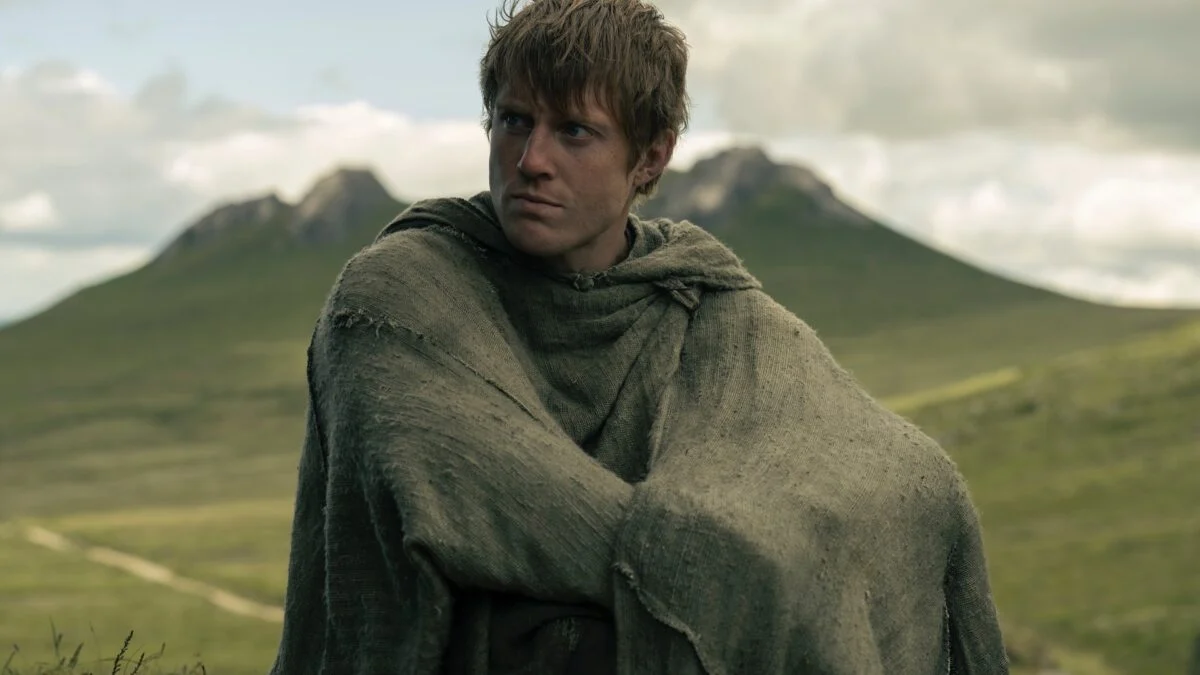
I watched Dunk stand in a hall and feel the room shift around him. You remember how the first season handed him a sword and a compass; now politics will test that compass. I want to show you where the new players will press and pull him.
I’m writing from the place where storycraft meets casting—because names like Lucy Boynton, Peter Mullan, Babou Ceesay, and a showrunner named Ira Parker aren’t just credits, they’re signals. I read Parker’s comments for Entertainment Weekly and then mapped them against George R.R. Martin’s “The Sworn Sword.” If you care about character friction more than dragon spectacle, this is where you should lean in.
At a wedding I attended a woman ruined a man’s speech without raising her voice — what Lady Rohanne will do on screen
Lucy Boynton will play Lady Rohanne, the Red Widow, and Parker says she’s built to make Dunk uncomfortable. That’s deliberate: Dunk can ride and fight, but poetry and court strategy are new territory for him.
Martin readers already know Rohanne from the page: she’s sharp, politically aware, and smelling of threats that aren’t always loud. On camera, Boynton’s presence promises to tighten scenes into something tense and intimate—think of court talk as a game where the board keeps shifting under your feet.
Who is Lady Rohanne in A Knight of the Seven Kingdoms season 2?
She’s the “Red Widow,” a highborn woman whose reputation and wit complicate Dunk’s straightforward sword-for-hire instincts. Parker told Entertainment Weekly that Rohanne’s role is to throw Dunk off his balance, and that kind of friction is exactly what creates memorable TV moments.
I once watched a quiet man clear a room with a look — why Ser Eustace is being cast the way he is
Peter Mullan has signed on as Ser Eustace Osgrey, and his resume (Ozark, Westworld) makes him a natural fit for a slippery noble. Parker didn’t spill much detail, which feels intentional: some characters work best when their threat is a slow burn.
On the page, Eustace is the kind of house head who maneuvers rather than charges. Casting Mullan signals a version of Eustace who’ll shade conversations and court scenes with menace you only realise was there after it’s too late.
What will Peter Mullan bring to Ser Eustace Osgrey?
Calm authority and the ability to make stillness feel dangerous. Expect measured scenes where power is exercised through suggestion rather than spectacle.
I once trusted a blunt man and he was oddly comforting — how Ser Bennis will shift allegiances
Babou Ceesay joins as Ser Bennis of the Brown Shield, and Parker praised him for making the character “full” and oddly likeable even when he’s blunt. Ser Bennis is a lantern in fog: his honesty cuts through court games and forces clearer choices.
Parker framed Bennis as both a foil for Dunk and for Egg, someone who can say hard things and still feel human. That mix—candor wrapped in warmth—is rare on TV, and it creates the kind of moral friction that turns scenes into scenes you can’t stop replaying in your head.
Will Dunk and Egg face politics in season 2?
Yes. Parker described season two as “Dunk wading into politics,” where swordplay is one tool and negotiation, posture, and social skill become equally dangerous. Expect the show to trade some battlefield spectacle for closed-room power plays.
Season two of A Knight of the Seven Kingdoms is slated for 2027 on HBO, and the casting choices send a clear signal: this will be less about dragonfire and more about the grind of influence. Entertainment Weekly broke Parker’s comments, and you can trace the tone back to Martin’s original novella “The Sworn Sword.”
I’ll watch how Boynton, Mullan, and Ceesay re-tune the show’s center of gravity—and I want you to watch too—because this is the kind of casting that determines whether a series becomes myth or memory. So who do you think will come out smarter when the polite smiles end?