I hit refresh on an Amazon page and the price ticked up again. The kit I’d planned to buy now looked like a small mortgage. At that moment it hit me: the parts shortage isn’t a glitch—it’s rewriting who can build a PC.
I’ve been following hardware markets long enough to notice patterns you won’t on a single scroll. You’re annoyed, and rightly so: upgrades that once felt routine are now strategic decisions. I’m going to map what’s happening, point to the players involved, and show what you can actually do next.
At every product listing, price tags have jumped. The survey that proves it.
Tom’s Hardware polled 1,500 readers and found 60 percent of PC owners don’t plan to upgrade in the next two years. That’s not just laziness—it’s a market signal. When most buyers bail, the enthusiast ecosystem cools. You feel that in forum threads, storefronts, and your own wishlist.
Why are RAM prices so high?
Short answer: supply pressure meets speculative demand. Big cloud and AI projects—Microsoft, OpenAI, and hyperscalers running thousands of GPU nodes—are locking in purchases and contracts that ripple back to component makers like Corsair and G.Skill. The result: typical retail options vanish or inflate.
Walking through a cart shows the real cost jump. Price checks and examples.
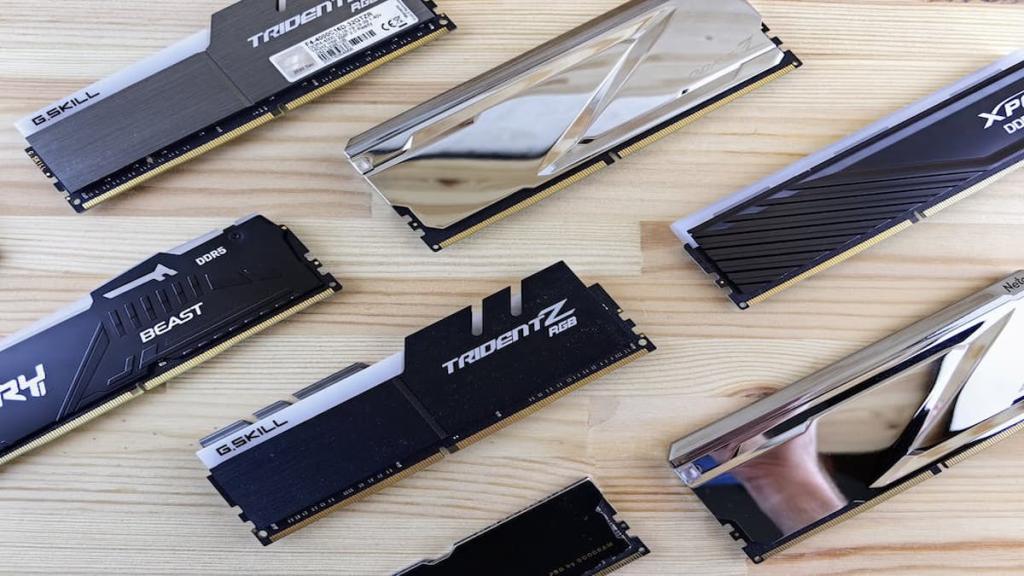
I scanned current listings so you wouldn’t have to. The cheapest 32GB DDR5 kit I could find on Amazon sits at $359 (€330) while a popular Corsair Vengeance 2x16GB 6000MHz kit listed at $431 (€397). That same Corsair memory was around $91 (€84) last January. For DDR4, a pair of G.Skill Ripjaws V 16GB 3200MHz sticks is $259 (€238) now versus $46.99 (€43) a year ago.
Small parts becoming expensive changes behavior: buyers shift to older CPUs, used markets heat up, and some models (the 5800X3D and the 9800X3D) are even absent from new listings on Amazon. That scarcity pushes people into corners of the market they didn’t plan to visit.
How is AI causing hardware shortages?
AI workloads are memory-hungry. Training and inference clusters need vast pools of RAM and high-bandwidth memory attached to GPUs. Firms sign long-term procurement deals; manufacturers prioritize those orders because they’re big and predictable. Meanwhile you and I are left scrolling “out of stock.”
At the factory gate, buyers are hoarding forecasts. Who’s buying and why it matters.
Data centers aren’t single machines—they’re entire supply chains moving memory, storage, and power. Nvidia and AMD design the compute, but the physical memory and SSD capacity flow from a smaller set of fabs and module makers. When those factories get large AI contracts, retail allocations shrink. It’s a chain reaction: the market thins out and prices climb.
At the utility level, demand is already shifting. Wider consequences beyond PC parts.
Every new data center draws more power. Municipal approvals for centers are spreading, especially in the US and EU. That pressure can raise energy costs for everyone and stress grids during peak use. You’ll feel it in your bills and possibly in local debate over new infrastructure.
Should I delay upgrading my PC?
If you can wait, waiting can be smart. Prices may soften once inventory and long-term contracts recalibrate, but “when” is unclear. If your machine is preventing work or study, prioritize components that give the best immediate return: SSD, GPU, or RAM depending on your workload. Buying used or refurbished from trusted sellers is a short-term tactic that still carries risk.
At forums and Discord servers, users are changing habits. Practical moves you can try.
Community markets and repair shops will be active while retail stalls. Here’s what I suggest: set price alerts on Amazon and Newegg, follow Tom’s Hardware and hardware-specific subreddits for restock threads, and consider kit alternatives that pair older CPUs with affordable DDR4. If you must buy new, check manufacturer bundles from Corsair or G.Skill and watch for OEM sales.
The market is behaving like a gold rush: big players swarm what they can control and leave crumbs for everyone else. That dynamic will define PC builds for the next couple of years unless procurement shifts.
You’ve got options, but the clock and the contracts are ticking—are you ready to change how you buy, build, or even wait?