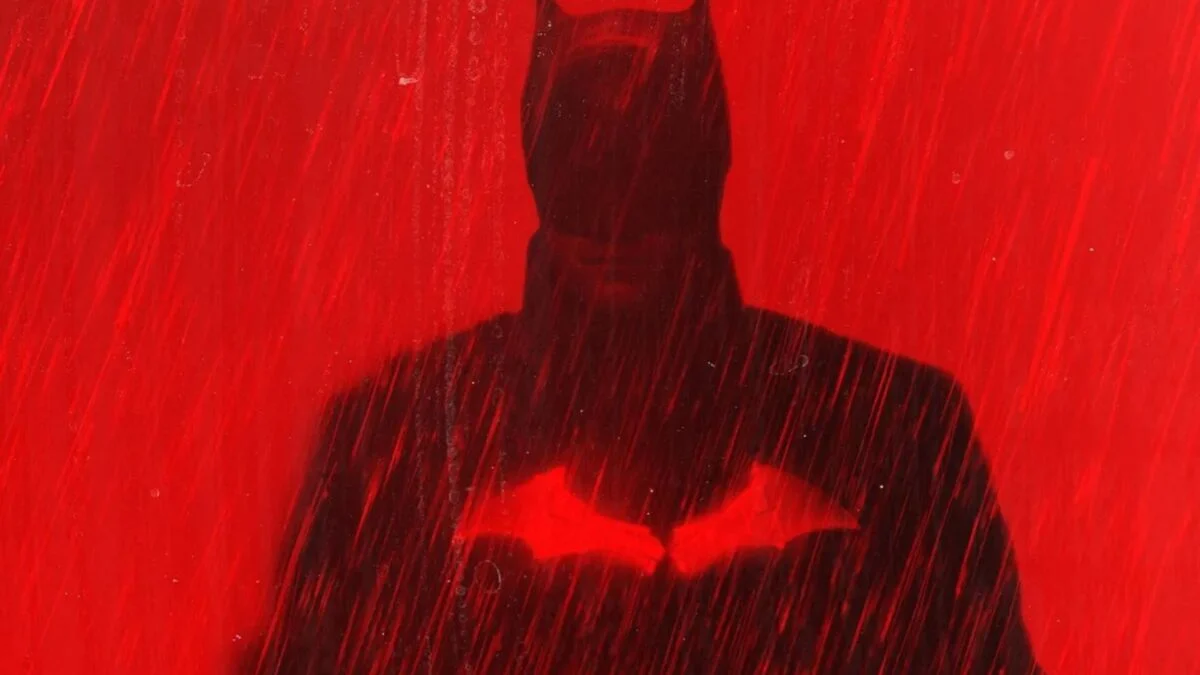
I refreshed X while dinner burned and watched Matt Reeves answer months of silence with a string of GIFs. The timeline flickered between fandom fury and cautious applause. For the first time in a long while, the sequel felt alive again.
I’ll be blunt: you and I both know silence breeds stories, and the internet will fill any blank with its own noise. I’ve spent years covering franchise sagas, and Reeves’ two-day GIF reveal was a small, deliberate act that forced a conversation back onto his terms. You’ll find the moves familiar—casting receipts, celebrity beats, and the kind of social-media choreography that reads like both apology and announcement.
Fans have spent months hunting for signs that The Batman Part II was still happening.
You’ve seen message-board theories and studio silence stretch into speculation. Reeves answered with GIFs that confirmed most of the returning cast and dropped new names: Sebastian Stan, Scarlett Johansson, Charles Dance, Brian Tyree Henry, and Sebastian Koch. The messaging did two jobs at once—it replaced rumor with facts and gave the anxious audience a concrete hook to latch onto.
I want you to notice what he didn’t do: a glossy, studio-scripted trailer or a polished press release. He used X (the platform formerly known as Twitter) and a handful of moving images to signal progress. That felt personal. It also echoed James Gunn’s social-media playbook—Gunn has repeatedly defended Reeves publicly and often announces projects the same way, which makes the tactic less like corporate spin and more like peer-to-peer communication.
Casting updates function like proof that a project exists—because they do in modern fandom.
You probably clicked because names carry weight. Sebastian Stan and Scarlett Johansson bring Marvel baggage that excites headline writers and box-office planners. Charles Dance signals gravitas. Brian Tyree Henry and Sebastian Koch broaden the emotional and international reach. Together they tell a story before cameras even roll.
From my vantage point, this was also damage control. io9 and other outlets have tracked the sequel’s long development, and fans have been primed to fear the worst. By releasing the cast in a low-drag way, Reeves softened months of suspicion. The GIFs worked like a surgeon’s quick suture, closing a wound before it could fester.
Who is in the cast of The Batman Part II?
You want names: Robert Pattinson returns, Zoë Kravitz is expected back, and Reeves confirmed the additions above. That roster shifts conversations from “is it happening?” to “what will these actors bring?”—and that’s exactly where a director wants the chatter to land.
Production calendars and release dates are public rituals that calm panic.
People track start dates the same way they watch for plane landings. Reeves said production would start in June, and the film is slated to hit theaters on October 1, 2027. Marking a day like that turns anxiety into a countdown and invites set photos, trailers, and leaks—the very spoilers fans both crave and fear.
I’m not pretending secrecy is solved—these moments often invite accidental reveals from marketing teams eager for momentum. But announcing a start month and a firm release date gives studios leverage and fans a timeline to follow. If you want to track the next big beats, watch Warner Bros., the film’s PR channels, and Reeves’ feed for staged drops and candid set snaps.
When does production start for The Batman Part II?
Production is set to begin in June, with the release date locked for October 1, 2027. That timetable means principal photography and promotional beats will start leaking into your feeds well before the premiere.
Online outrage tends to grow until someone offers a clear signal that things are moving.
You’ve felt the pattern: rumors swell, then someone posts a receipt and the pitchforks quiet—briefly. Reeves’ GIF thread was first and foremost an argument with inertia.
I’ll say this plainly: the approach was pragmatic and human. It didn’t feel like a Warner Bros. corporate megaphone; it felt like a director addressing the crowd directly. James Gunn’s public support softened some of the heat, and the casting of actors linked to Marvel amplified headlines. That mix of industry muscle and personal outreach is rare enough that it grabbed attention.
Now we pivot to what matters: will production live up to the promise of the cast and the clever reveal? If Reeves keeps control of the narrative and the crew isn’t burned out, the next year should give you plenty to react to—set photos, teaser footage, and debates about tone. The marketing machine will do its part; your role, as audience, is to decide whether the noise is meaningful or performative.
Did Matt Reeves fix the PR problem?
He damped it. He didn’t erase it. The GIF strategy lowered the temperature by offering facts and named talent, and that matters more than a sterile press release ever could. But reputation isn’t rebuilt in two days; it’s proved on set and in the cuts that follow.
I’ve watched franchises twist and turn, and I’ll tell you this: a director who speaks directly to fans reduces speculation and reclaims the story. Whether Reeves has done enough will come down to the footage and the final film. For now, the question is whether you trust a few well-timed GIFs enough to stop worrying—are you sold on this reset or still waiting for proof?