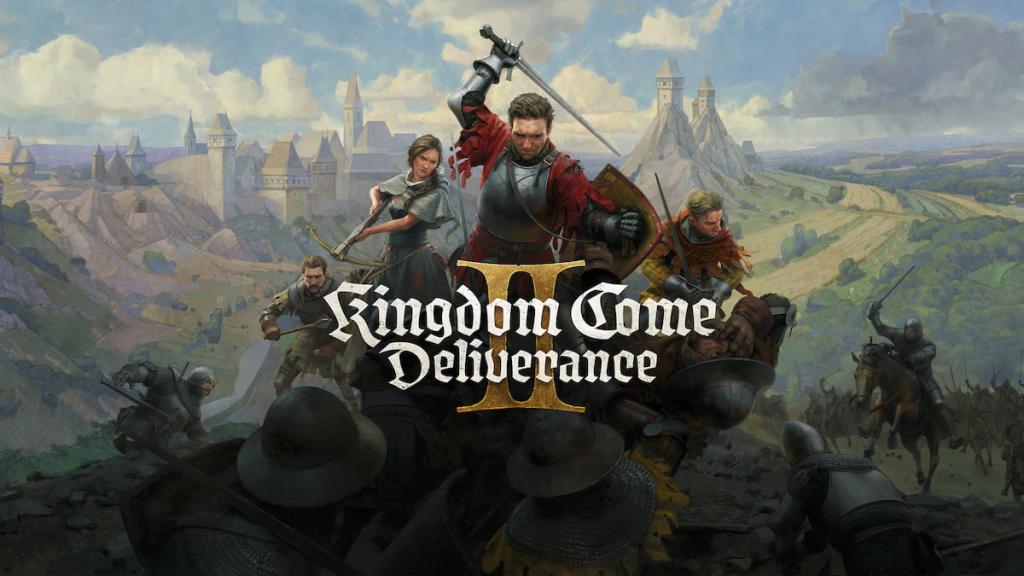
I was three tweets deep when Warhorse’s post landed, and my pulse skipped. Rumors had been a slow burn; the studio just confirmed they’re building an open-world Middle-earth RPG. You can feel the mix of excitement and thin dread that comes when a beloved universe shifts hands.
I’m going to tell you what matters—what this studio brings, what fans should hope for, and what still sits behind a curtain. I’ve followed Warhorse since Kingdom Come: Deliverance, and I’ll point out where their strengths match Tolkien’s needs and where the pitfalls hide.
My timeline showed the announcement at 11:02 a.m. — this is why it landed the way it did
Warhorse’s tweet on May 20th made the leak cycle feel tidy: rumor, tease, confirmation. That order gave fans a clear moment of relief and a fresh list of questions.
Why it matters: Warhorse has made realism and consequence central to their work. Their follow-up, Kingdom Come: Deliverance II, landed last year and proved the studio can deliver complex systems and moral friction that stick with players. That design DNA is the best possible primer for Middle-earth’s moral textures.
The studio’s track record suggests concrete strengths
On my shelf sits a battered copy of The Hobbit; on my hard drive sits Warhorse’s codebase — both have endured tests of time. Warhorse knows how to build systems that feel lived-in rather than scripted. They favor simulation over spectacle, and that approach could make Orcs, Hobbits, and the politics of the Third Age feel weighty.
Think combat that demands decision-making rather than button-mashing. Think choices that scar the map and the narrative. Warhorse’s specialty is slow, believable escalation: a skirmish that grows into a political mess.
This pairing is a bit like finding a weathered map in a drawer—familiar and thrilling at once.
Is Warhorse Studios making a Lord of the Rings game?
Yes. The studio confirmed an open-world Middle-earth RPG and also teased “a new Kingdom Come adventure.” They haven’t released footage or a release window, only the promise that more will arrive “when the time is right.”
Industry context: how this fits into recent Middle-earth attempts
On Steam, you can already see several recent takes: Return to Moria, The Lord of the Rings: Gollum, and Tales of the Shire. Each tried different angles, with mixed results.
Warhorse isn’t the first to try Tolkien’s world, but they’re among the few with proven RPG chops and a player base that trusts systemic design. If they keep their focus, they could fill the gap left by studios like Monolith (creators of Shadow of Mordor) and the older EA titles, which leaned more cinematic.
An honest look at the risks and missing pieces
At 9:15 a.m. I opened the announcement and immediately checked licences and partnerships. The rights landscape around Tolkien-related IP is complicated — Amazon’s TV projects and Middle-earth Enterprises’ licensing mean teams often work under tight creative limits.
Risks include script restrictions, forced narratives, or cash-driven mechanics. Big-budget open worlds often cost north of $100M (€92M); those numbers buy polish, but they also invite publisher pressure. Fans should want Warhorse to keep its simulation-first instincts rather than chase spectacle for spectacle’s sake.
When will the Middle-earth RPG release?
Warhorse gave no date. Expect a slow reveal cadence: concept details, engine choice, then gameplay. If they follow the Kingdom Come timeline model, we could be years out; if they speed up with outside funding, timelines compress but creative control often thins.
What this means for fans and the genre
On forums and Discord channels, reactions ranged from cautious joy to outright glee. That’s important: audience appetite determines investment, and Tolkien fans will watch every scrap of news like scouts waiting at a gate.
Warhorse’s strengths in consequence and moral gray areas could make for a Middle-earth that feels earned rather than handed to you. Their combat and NPC systems might turn small choices into enduring scars on the story—like a blacksmith forging a blade, each strike matters.
Between Warhorse’s pedigree, the recent slate of Tolkien games, and a vocal fanbase, this announcement is a promise and a test. Will the studio honor Tolkien’s weight and the community’s hunger, or will business demands water down what could be a defining RPG?
Are you willing to follow Warhorse into Middle-earth and argue about every design choice along the way?