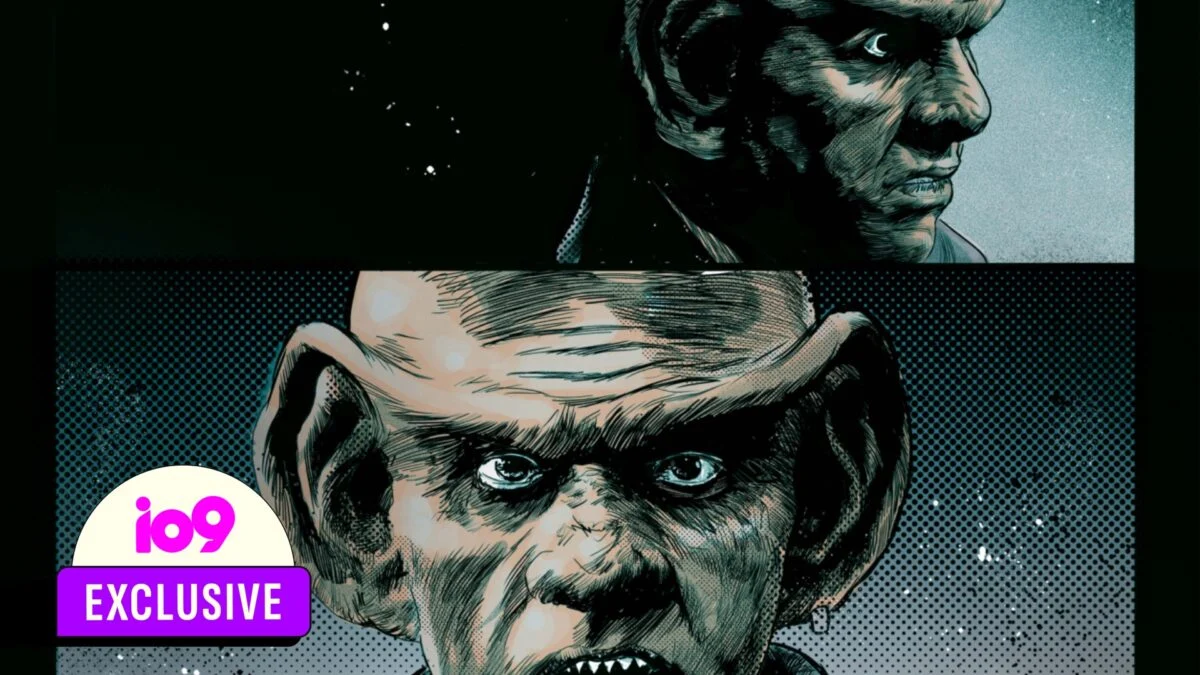
I stood under the comic-shop light and felt something shift: a familiar captain framed by unfamiliar dread. You expect Star Trek to solve puzzles; this issue asks you to sit with questions that don’t want answering. By the time you reach the panels from Hernan Gonzalez, hope has already been rewired into tension.
I’m Collin Kelly and Jackson Lanzing’s newest chapter felt like a deliberate swerve—one that turns the series’ survival thriller and political drama toward pure, sustained horror. IDW’s Star Trek: The Last Starship issue #7, out May 20, is written by Kelly and Lanzing with art from Hernan Gonzalez, colors by Lee Loughridge, and lettering by Clayton Cowles. Movies & TV ran an interview with the writers; here I’ll parse what that shift means for Kirk, Sato, and a Federation already burned into a new history.
The bookshelf told me the mood had changed. What the new chapter does to tone
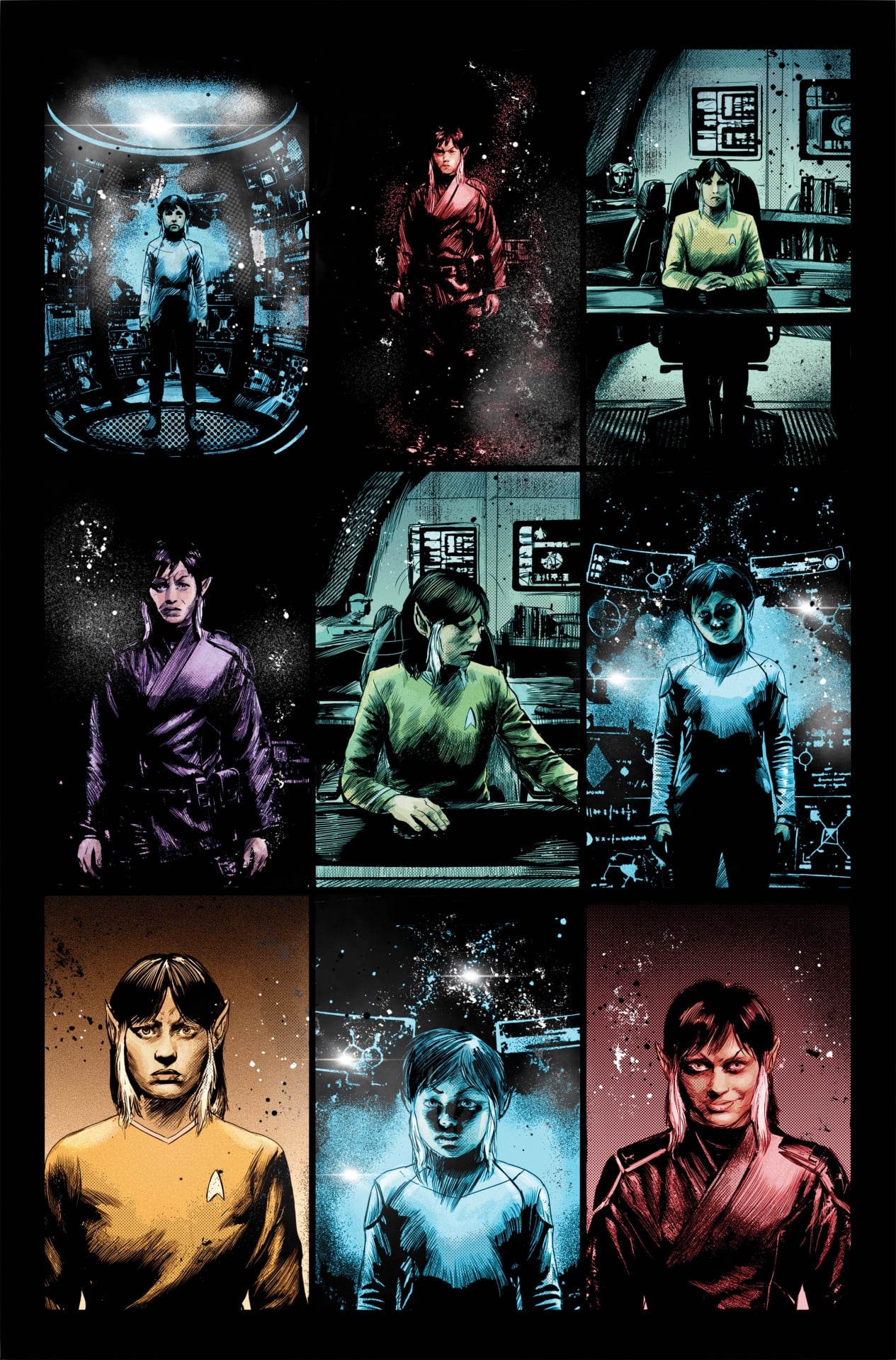
The cover alone reads like a dare. Kelly and Lanzing say Chapter 3, “The Hope,” pushes the series into cosmic horror—a move that isn’t accidental, it’s inevitable. You’re carrying a ship that moves relativistically (the USS Omega), and while it chases a future, the rest of the galaxy ages and frays. That mismatch is the book’s engine: the crew preserves tomorrow by permanently leaving yesterday behind.
Chapter three feels like a cold hand closing over a lantern. The horror here is not jump-scare cheapness. It’s the slow realization that the tools of Starfleet—reason, diplomacy, science—face a phenomenon that refuses to be decoded into motive or origin. The writers lean into that refusal: the threat “has no intention,” they say, and it whispers into minds made brittle by loss.
Is Star Trek: The Last Starship canon?
Short answer: it sits in a careful place. IDW’s series runs alongside the events of Discovery and borrows timeline anchors like the Burn and the century-long fallout. Kelly and Lanzing use those anchors to tell untold stories that expand what happened during that mysterious hundred years without rewriting established outcomes from the shows.
At a café, someone asked how time works in a story that spans a century. The book’s handling of time and scale
Kelly’s device—relativistic travel for the Omega—lets the writers compress and fracture eras. That’s a storytelling advantage and a moral pressure: the crew’s sacrifices are literal cuts from their history. The series can show decades passing off-panel while the ship’s interiors remain constant. That creates constant, quiet grief and also opens narrative doors the writers say they will push to extremes across 12 issues and a hundred years.
The Transwarp and relativistic mechanics aren’t just clever props; they force character choices: save a present you won’t ever see, or risk the mission to keep what remains of your past. That tension amplifies horror because characters are isolated from the anchors that usually make Trek humane.
When does issue #7 come out?
Issue #7 arrived on shelves May 20. If you follow Movies & TV, IDW, or comic retailers like Midtown Comics and your local shop, you’ll see the arc’s shift announced there and in the creative team’s interviews.
In a heated panel at a convention, fans asked why the Romulans didn’t seize the galaxy. How the Ni’var and Romulan tech fits the arc
One fan in the front row pointed at Discovery threads and demanded answers about singularity drives. Kelly and Lanzing use that unanswered fandom question as a hinge: if the Romulans had a different FTL option, why didn’t they rule after the Burn? The arc proposes an answer embedded in experiments, broken science, and the moral rot of desperation.
That plotline reframes past canon as a set of choices, not inevitabilities. It gives the Romulans and Ni’var motives that are political and scientific—curiosity turned corrosive. The result grounds cosmic horror in plausible politics, which makes the dread feel earned.
Why is The Last Starship shifting to horror?
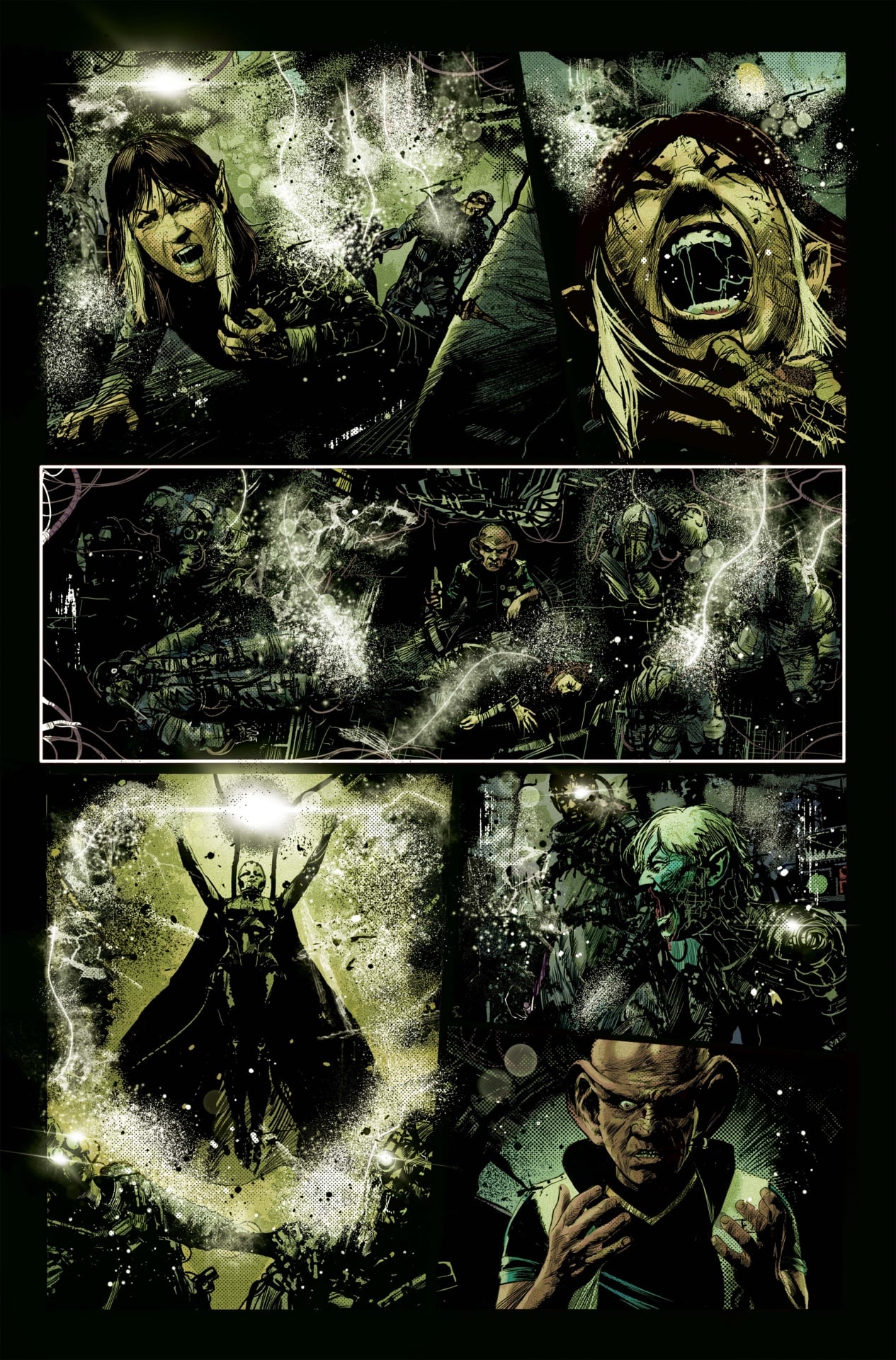
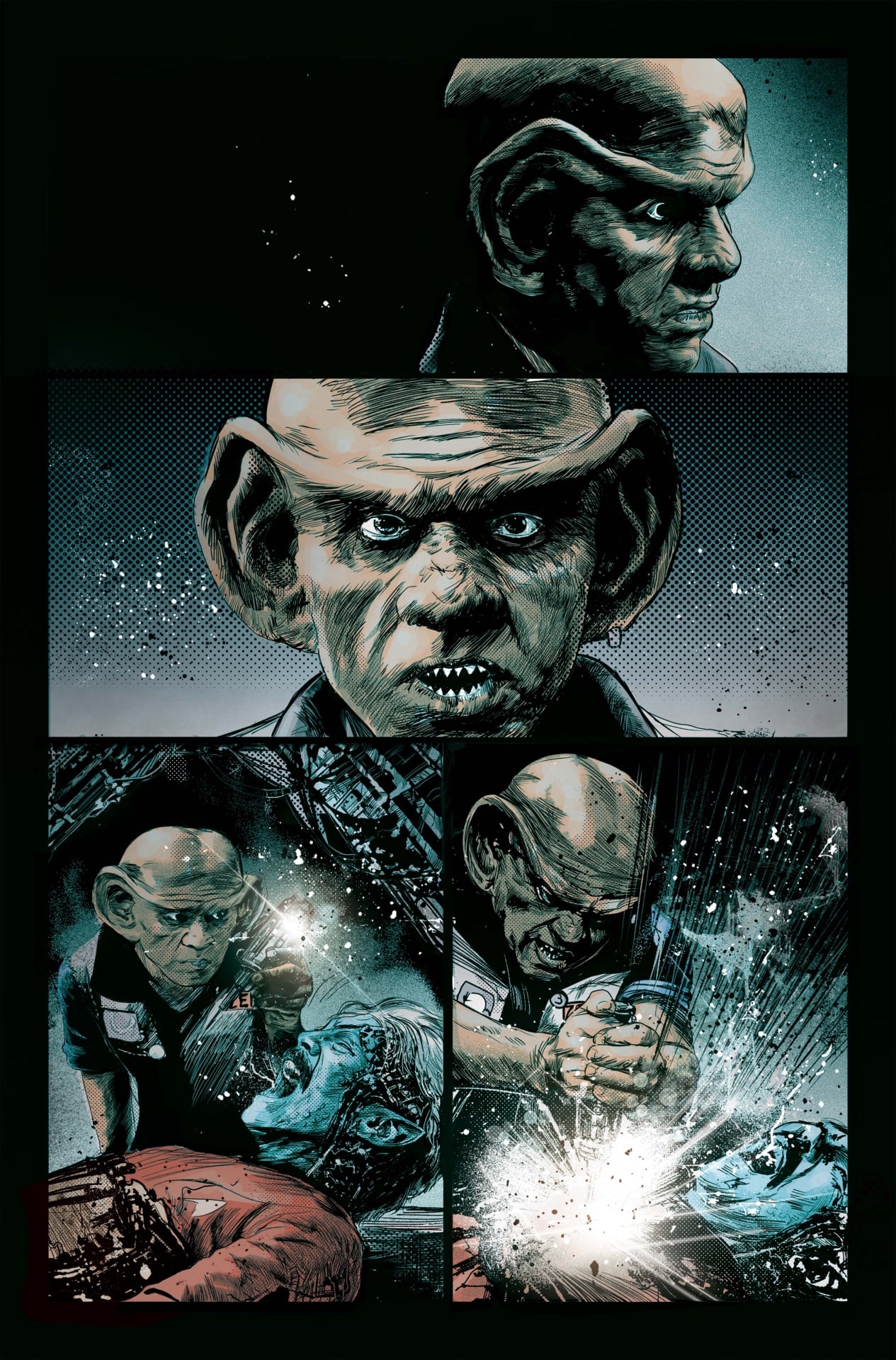
The writers wanted to tell stories Trek normally slips past: encounters that refuse to be empathized with, puzzles that break frameworks of morality. They cite influences like Gou Tanabe’s Lovecraft adaptations; the aim is dread, not gore. Bringing Hernan Gonzalez on as a guest artist amps the mood—the panels are designed to feel oppressive, intimate, and inescapable.
During a quiet read-through, Agnes’s choices hit like a revelation. What Agnes’s move means for Kirk and the crew
A clerk at my shop paused and asked whether Agnes was a villain or something more shaded. That ambiguity is the point. Agnes has been watching; she acts now because the stakes are collapsing. Kelly and Lanzing designed issue #8 to peel back her history and motives, not to give her a monologue but to alter how we see her forever.
Her relationship with Kirk is a lever: manipulation is one possibility, humanity another. The writers tease a shocking image—Kirk as a Borg King—and promise the context will arrive in the next issue. The moral cost of her decision will echo across the ship’s fragile hope.
Gonzalez’s panels are a throat of fog that squeezes the air out of the page. That’s not praise of mood for mood’s sake; it’s a promise that art and script will sync to make dread feel inevitable.
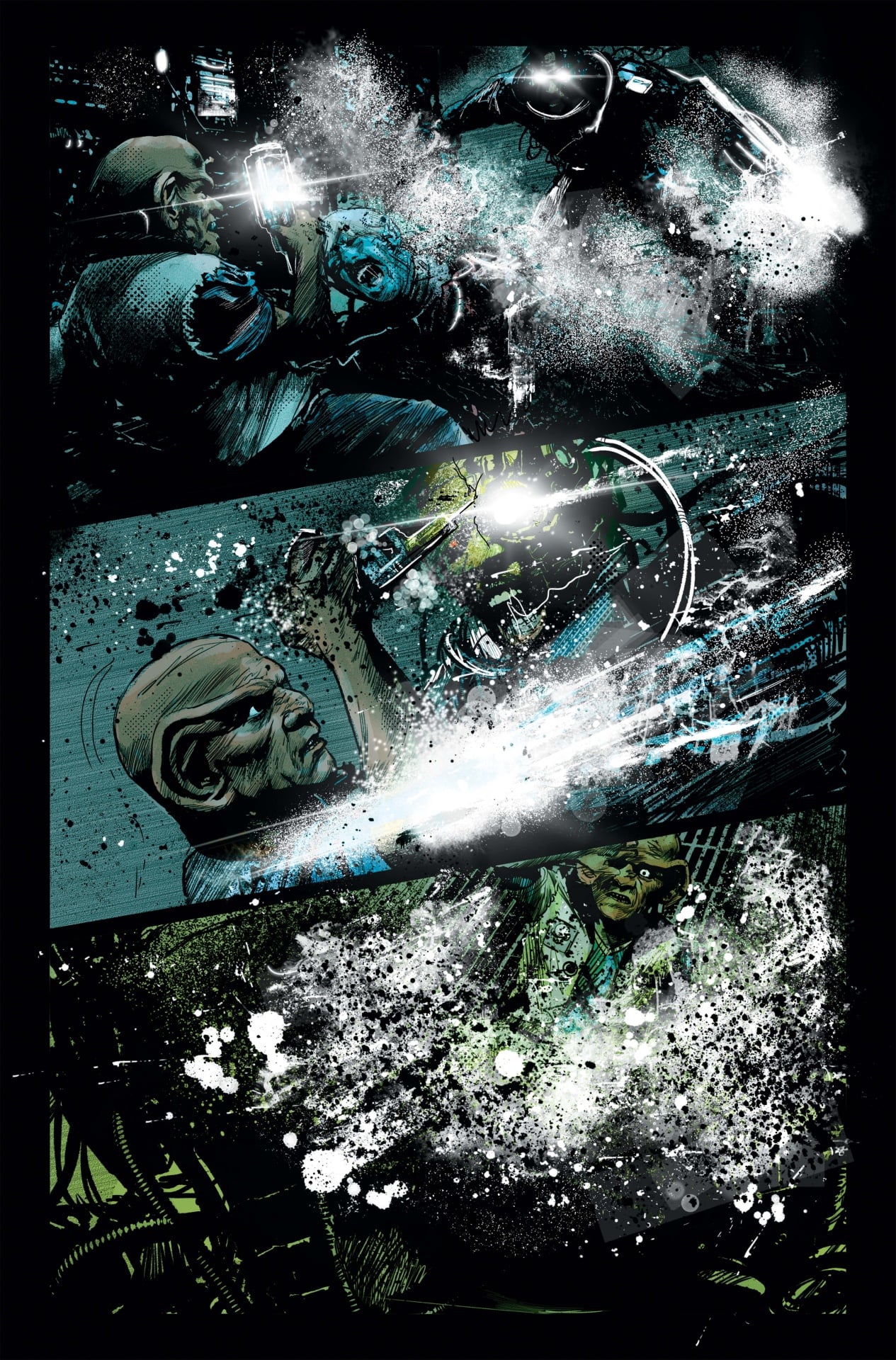
A friend texted, “Is there hope left?” How the series preserves hope when everything tilts darker
The writers answer that question by refusing to make hope naive. It’s a moral muscle—sometimes strained, sometimes torn, occasionally practiced in private by Sato and Kirk. Kelly says the series keeps Federation ideals—unity, curiosity, kindness—on the page even as events force characters to make devastating choices. That contrast is what makes the horror land: you fear for the values, not only for lives.
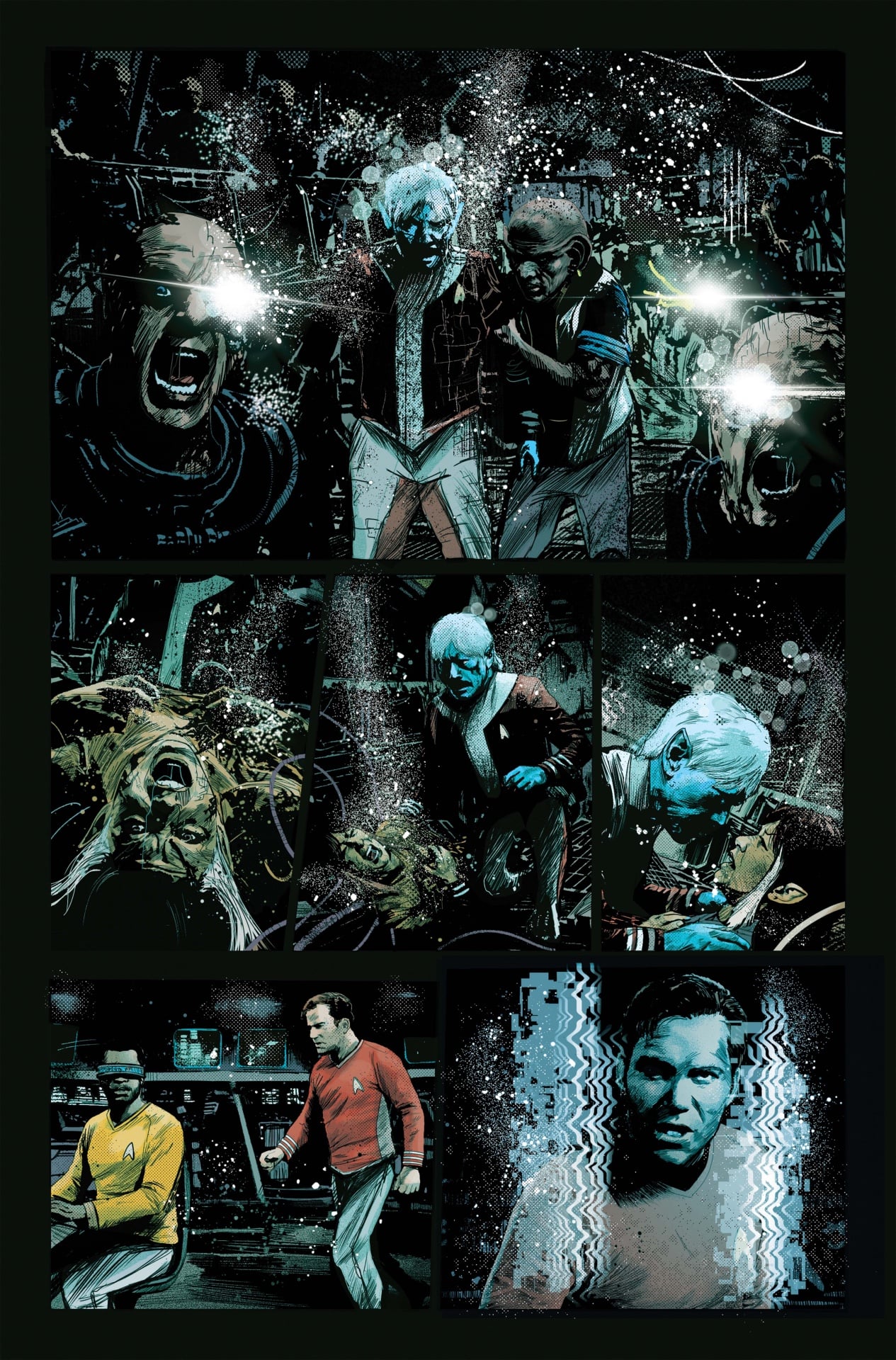
By issue #9 the status quo will shatter, the writers say; arc four promises even larger shifts. If you want a Trek that is willing to let its ideals be tested in public, this is where the experiment is happening—backed by IDW, tied to Discovery lore, and executed with artists and colorists who make dread legible. So the question becomes: when the Federation’s light is bent into something that scares you, will you keep reading to see whether it can still burn for anyone?