The theater goes dark, a zoom window fills the screen, and you feel the hush that happens when old friends lean in to tell a secret. I watched Stephen Colbert steer that hush with a grin so bright it cuts through like a lighthouse beam. By the time the credits rolled I knew two things: these conversations mattered, and they were finally public.
I’ve followed Colbert since his Late Show days, and if you care about how fandom turns into creative currency, you should pay attention here. I’m going to point out the moments that matter, name the players, and tell you why these clips are more than nostalgia—especially if you’re tracking his move from TV host to co-writer on a new Lord of the Rings film with Peter Jackson.
Where can I watch Stephen Colbert’s Lord of the Rings reunions?
Alamo Drafthouse originally premiered these Zoom reunions in theaters and bundled them as bonus material on a 4K boxed set of the trilogy. This week, Alamo Drafthouse uploaded all three conversations online for the first time—so if you missed the theatrical screenings, the full chats are now accessible where they post video content.
Who appears in the reunion chats?
The guest lists read like a who’s who of New Zealand-era Hollywood: for The Fellowship of the Ring, Colbert sits with Sean Astin, Billy Boyd, Dominic Monaghan, and Elijah Wood. The Two Towers brings Viggo Mortensen, Cate Blanchett, Orlando Bloom, and Liv Tyler into the frame. And The Return of the King features Peter Jackson alongside Ian McKellen and Andy Serkis.
Is Stephen Colbert writing a new Lord of the Rings movie?
Yes—Colbert is attached as a co-writer on an upcoming film linked to the original trilogy. Watching these reunions, you can see why producers would hand him a pen: he blends fan knowledge, quick humor, and a reverent curiosity in a way that serves both jokes and story beats.
At an Alamo Drafthouse screening where fans still carried programs: The Lord of the Rings: The Fellowship of the Ring
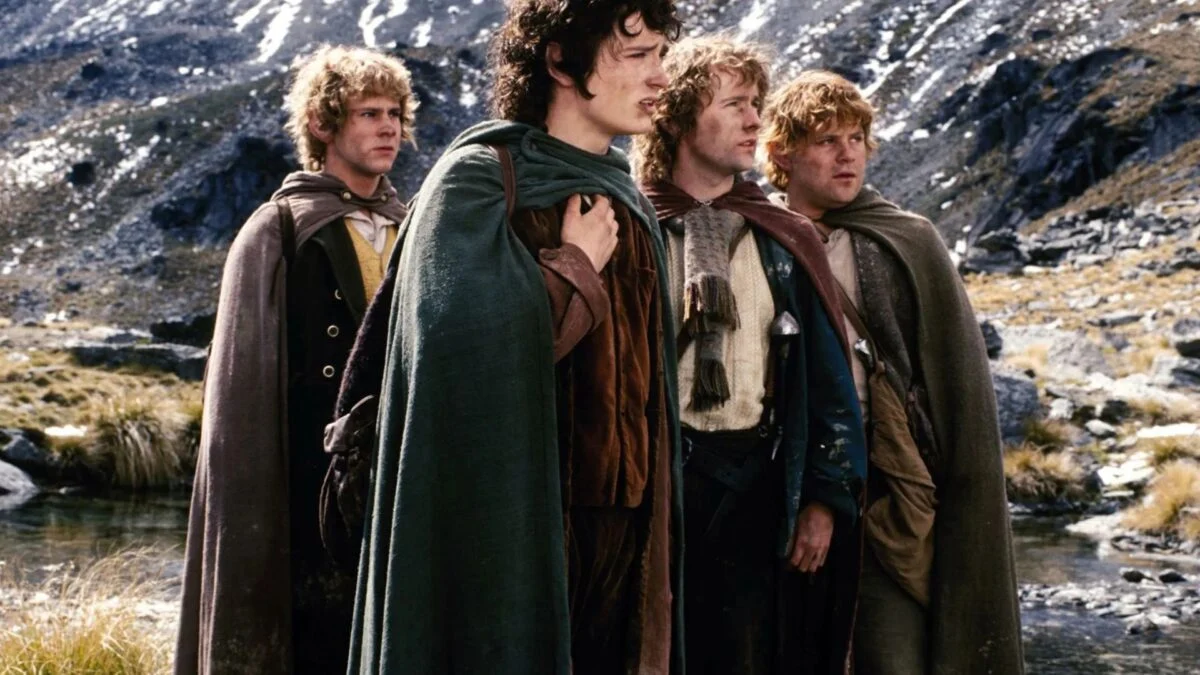
There’s a moment early in the Fellowship chat where the Hobbits riff on props and prank memories. I noticed how Colbert nudged the conversation from archive detail to emotional punch—he’ll ask a small, specific question and let the memory swell into something larger. That’s how you get Sean Astin talking about fatherhood, and Elijah Wood offering a memory that reframes a scene you thought you knew.
If you watch for technique, Colbert uses light, personal probes—what made you laugh, what scared you—to move actors from surface recollection to confession. The result reads like a portrait session: intimate, slightly mischievous, and revealing.
In a theater where people still clap at the curtain: The Lord of the Rings: The Two Towers
During the Two Towers conversation the tone shifts; the talk gets taller as Viggo, Cate, Orlando, and Liv trade behind-the-scenes stories. You can see why the production team trusted Colbert—he knows when to step back and when to press, so the anecdotes land without feeling staged.
There’s also an unexpected seriousness to these recollections: battle prep, safety choreography, and the slow art of performance under cold rain. When actors talk about the physical cost of those shoots, you hear respect in the room—both for Peter Jackson’s ambition and for the craft itself.
On a late-night stream that felt like a director’s commentary: The Lord of the Rings: The Return of the King
Peter Jackson joining Ian McKellen and Andy Serkis creates a different dynamic—this is maker talk. Colbert acts as a guide: he opens space for Jackson to sketch production choices, and he lets McKellen and Serkis push the conversation into performance theory and myth-making.
These are the moments when a reunion stops being promotional and starts being historical: anecdotes about improvisation, about lines that survived through rewrites, about trust built on long shoots. For someone like me who pays attention to craft, that’s where the enduring value sits.
I’ll be candid: watching all three back-to-back changed how I imagine Colbert’s new role in the franchise. He’s not just a celebrity cameo; he’s a fan who reads the room and a host who elevates memories into new creative possibilities. The reunions act like a weathered map, every story a margin note that hints at what a new movie could respect or reinvent.
Alamo Drafthouse, Peter Jackson, and the original cast are all part of the narrative thread that connects these conversations to the films we revisit, and platforms such as 4K releases and curated theater events are what kept these talks from vanishing into a single streaming feed. If you’re interested in how legacy franchises migrate from archival bonus to active storytelling, this is worth studying.
I want to know which moment landed for you: the Hobbits riffing on props, Viggo’s quiet confessions, or Jackson and McKellen trading director-actor wisdom—what should Colbert push further as he helps write the next chapter?