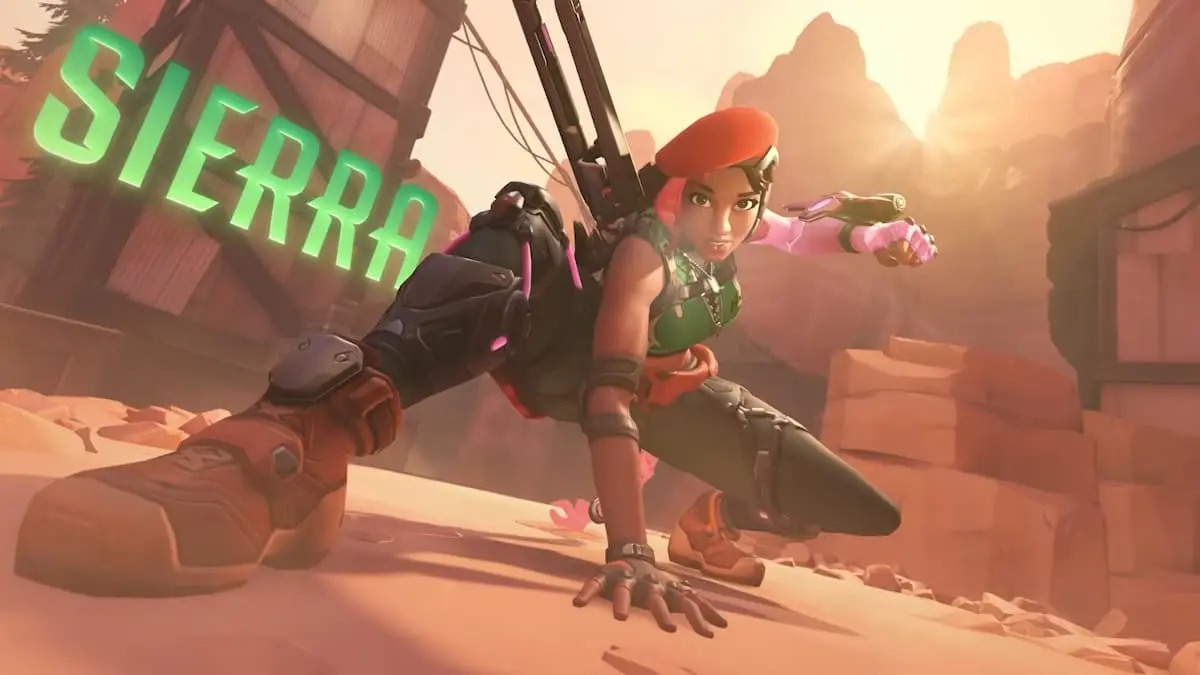
The comments exploded the moment the short ended; the view count climbed and the chat filled with the same demand. I watched it happen and felt a familiar tug—fans don’t just want more, they want an entire living show. You can almost see the thread connecting trailers, shorts, and those pleading comments into a single, loud request.
At conventions you can hear the chant: fans want an Overwatch show — why that matters
I’ve been in rooms where applause breaks for a hero trailer feel louder than the keynote. You and I both know why: Overwatch isn’t a match of numbers and stats, it’s a cast of personalities that players carry home. Walter Kong, Blizzard’s GM and head of live games and mobile, told IGN he hears that shout every time Blizzard posts a cinematic or hero spotlight.
He didn’t promise a series, but he didn’t slam the door either. Kong framed the ask as obvious: whenever Blizzard releases new narrative assets the community replies with, “Where’s the animated show?” He said that it wouldn’t be a stretch to expect strong demand for that content sometime in the future.
Will there be an Overwatch animated series?
Short answer: possibly. Kong admitted Blizzard underestimated the resources required to support all the storytelling ambitions tied to Overwatch. You can think of the demand as a coiled spring; it’s packed and obvious, but it needs the right budget, studio partners, and schedule to release without snapping.
On streaming platforms, shows like Arcane rewired expectations — what that means for Blizzard
I watched Arcane change the formula. Netflix and Riot turned a multiplayer IP into emotionally grounded television, and the industry took notes. When you pair that with successes like Cyberpunk: Edgerunners and Dota’s animated efforts, a pattern emerges: game worlds with strong characters can translate to serialized drama that attracts mainstream viewers.
Blizzard’s problem was never a lack of stories. It was scale. Kong said the studio realized mid-course how many resources those ambitions demanded. Now, with a seasonal storytelling model and more stabilized live operations, the math looks friendlier.
Has Blizzard confirmed an Overwatch TV show?
Not yet. Kong explicitly stopped short of a green light, but he also didn’t dismiss the idea. He acknowledged the emotional charge around the cast—players form attachments to origin stories, and cinematic shorts have repeatedly amplified those feelings. If Blizzard wants to follow the same path as Riot or CD Projekt’s partnerships with animation studios, the pieces are visible; the company just needs to line them up.
In team chats and dev calls, resource limits are the practical barrier — how Blizzard frames that reality
I’ve seen studios pivot when the budget or timeline doesn’t match the ambition. Blizzard learned the hard way that a cinematic universe plus live service game demands more than casual attention. Kong’s candidness here is meaningful: it’s not fandom that’s absent, it’s runway and capacity. That honesty is a signal—you should take interest, not assume immediate delivery.
At the same time, Blizzard’s character-first design makes the IP uniquely suited for serialized storytelling. The roster acts like a lighthouse, pulling different audience segments toward distinct narratives.
When could an Overwatch show arrive?
There’s no published timetable, but Kong suggested a future where “other storytelling experiences” could appear. Practically speaking, if Blizzard pairs with a streaming platform—Netflix, Amazon, or a boutique studio like Studio MIR or Trigger—they could move from shorts to seasons in a two-to-four year window, depending on budget and production partners.
You can watch the landscape: Riot’s success with Arcane, Netflix’s appetite for game adaptations after Cyberpunk: Edgerunners, and Valve’s experiments with Dota content all act as proof points. If Blizzard wants to capture the same crossover audience, they’ll need a narrative plan, a production partner, and the political will to allocate resources to non-live work.
Fans will keep asking every time a new cinematic drops. I’ll keep a close eye on interviews, studio moves, and partner deals, and you should too—because when the right green light finally comes, it will change how gamers and non-gamers alike think about Blizzard’s stories. Are you ready to argue which hero deserves the first origin arc?