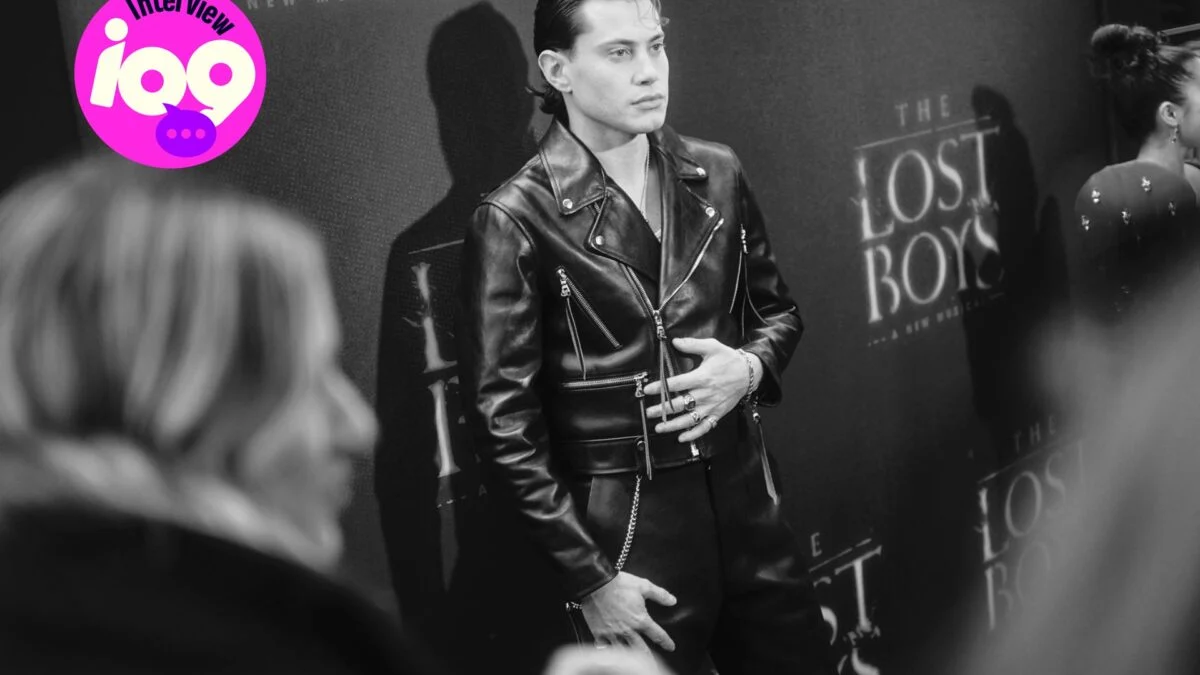
The lights drop. The crowd exhales. In that blackout I realized a cult movie had become a different animal onstage—and it was hungry for more than nostalgia.
I came because I love the film; I stayed because the musical surprises you the way a secret always does when someone finally tells it right. You and I both know how risky this kind of adaptation can feel, and yet here it is: The Lost Boys on Broadway, wearing new clothes and asking for the Tony recognition it just earned—12 nominations and counting.
This interview with LJ Benet has been edited for length and clarity.
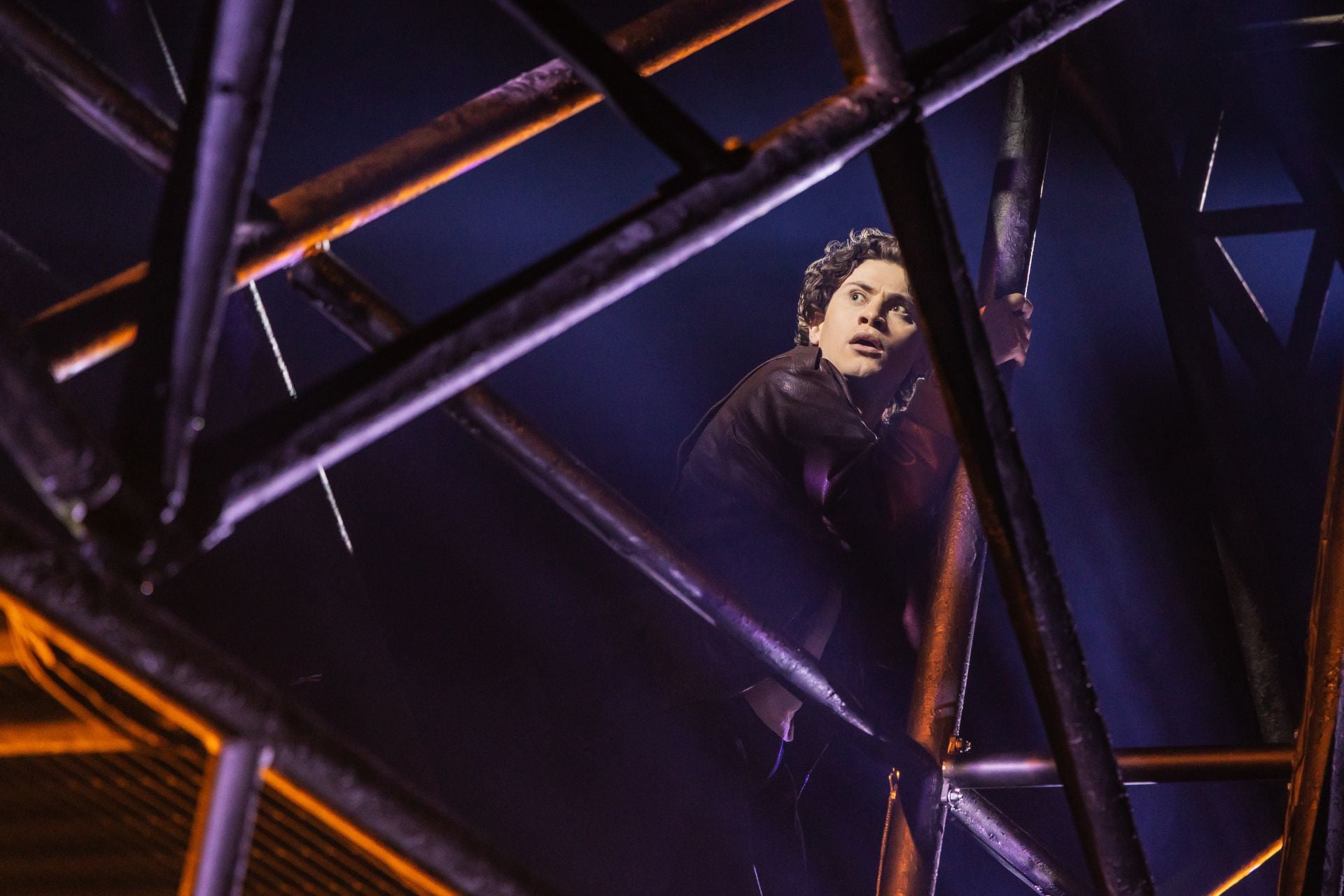
I heard the first chords in the lobby and people stopped mid-conversation.
The Rescues’ soundtrack arrives like a confession. It doesn’t recycle the film’s hits; it interprets the mood, pushes the emotional volume up, and gives the story new pulse. If you loved the movie for its neon nights and sax solos, the stage gives you a bigger canvas—songs that expand characters instead of replacing memories. The score hits so hard that when Belong to Someone lands, you feel it in the ribs.
Is The Lost Boys musical faithful to the movie?
Faithful enough to honor Joel Schumacher’s tone, bold enough to reimagine the bones. The team—writers Chris Hoch and David Hornsby, producers including Patrick Wilson, Becky Lythgoe and Shane Scheel, and a cast led by LJ Benet—chose to preserve key beats while building new interior life for characters who were thinner on film. Think of it as a restoration and a revision at once.
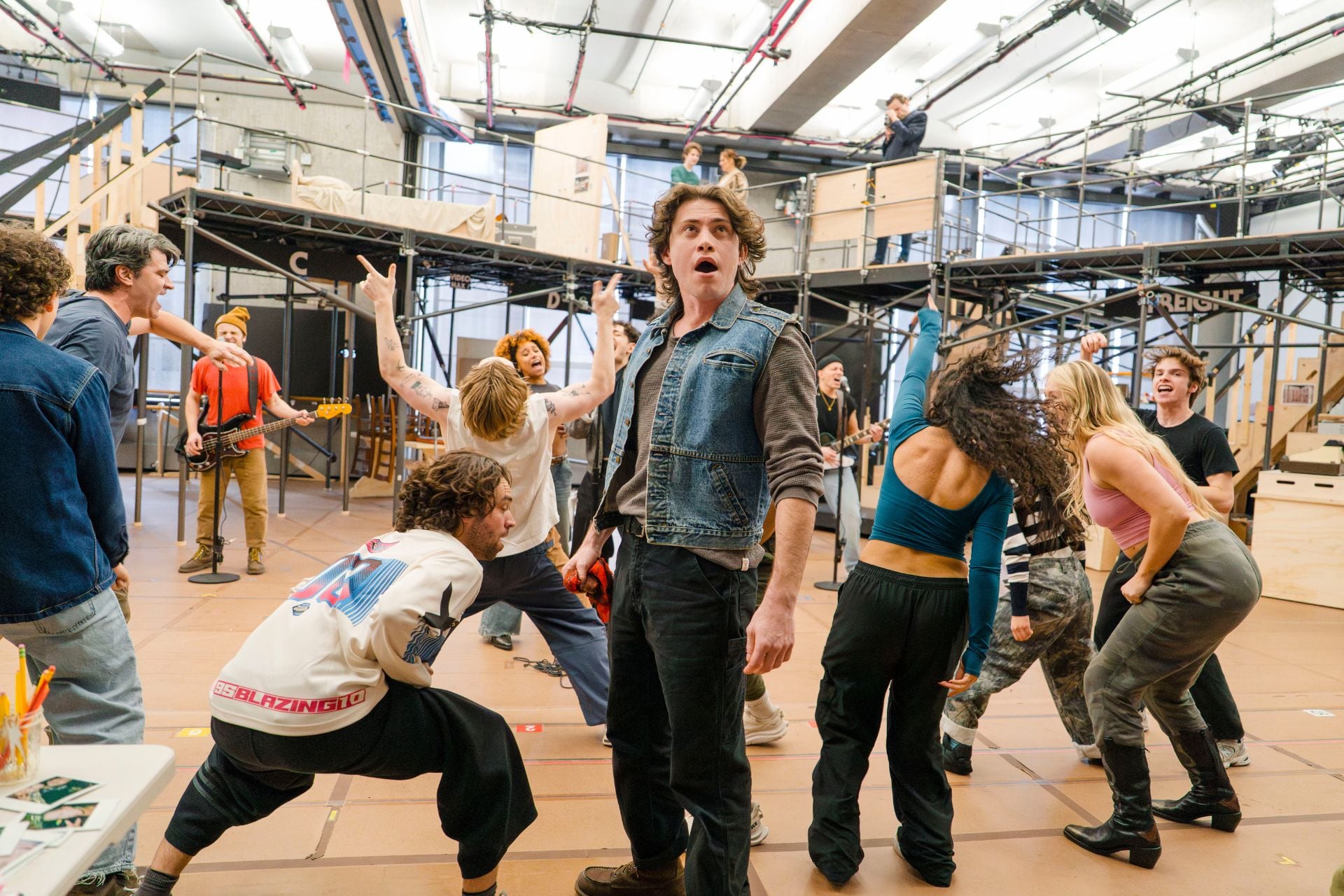
I watched LJ Benet make Michael feel chosen and trapped at once.
Benet turns a compact movie role into a rounded lead. Where Jason Patric’s Michael often reads coolly distant on screen, Benet layers doubt, shame, and a search for identity into each quiet moment. The show builds in a flashback to his dad that the movie only hints at—suddenly Michael’s anger, his distance, his need to impress a girl all make sense.
What Benet does is theatrical: he sings what the camera only hinted at. He told me he hunted for the movie’s still-camera beats—those moments when the lens sits on Patric’s eyes—and asked, “What is he not saying?” The stage gives him permission to tell you.
Who plays Michael in the Broadway adaptation?
LJ Benet owns the role now. He won the part after an audition trail that began with a tape and, by chance and championing from industry figures like Becky Lythgoe, turned into a callback that changed his career. He shares stage electricity with Ali Louis Bourzgui’s David and Shoshana Bean’s Lucy, and the company chemistry feels like a family, not a machine.
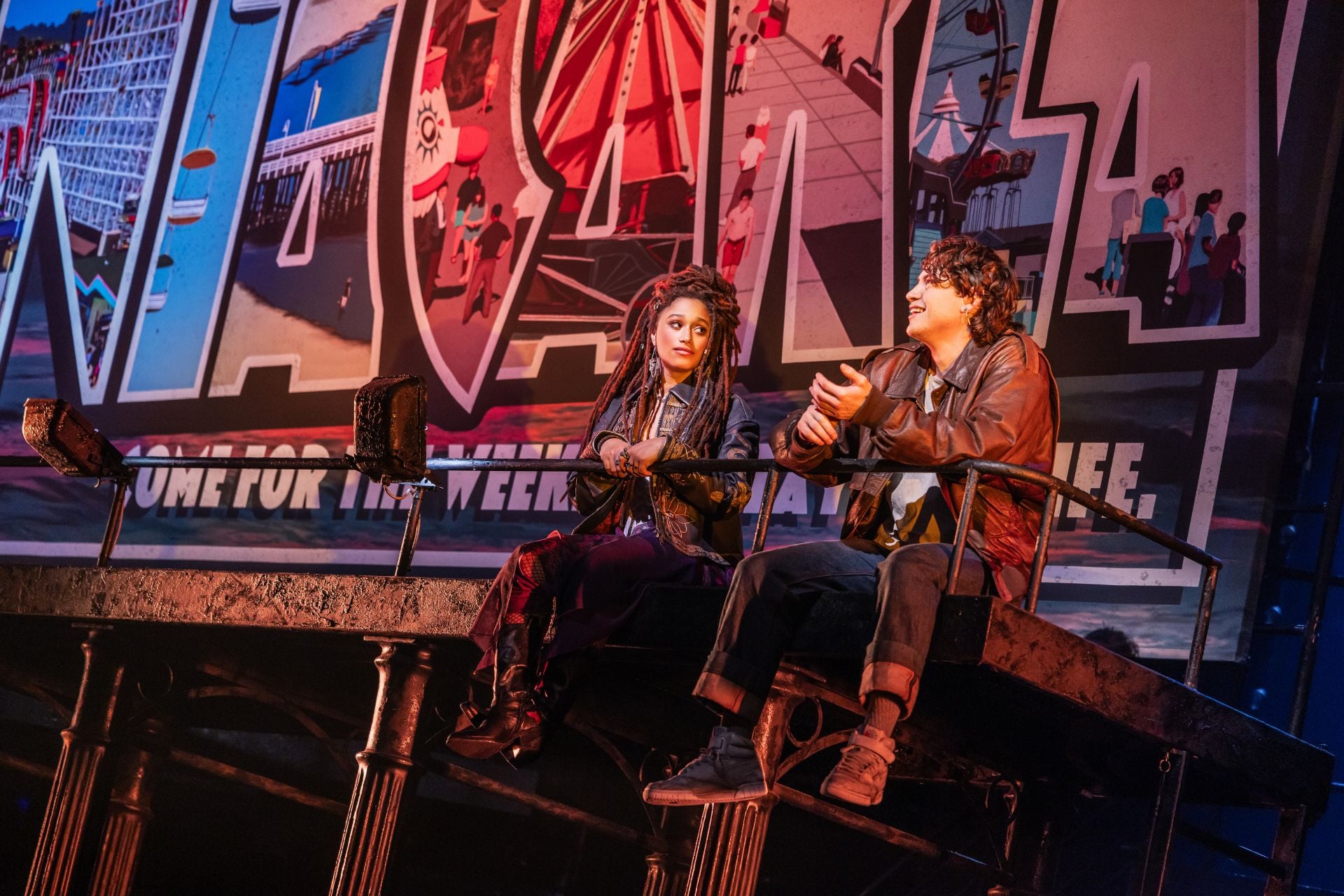
I noticed the preview run constantly rewrote the finale like a live experiment.
The ending changed multiple times—songs cut, scenes restructured, and even a proposed aerial battle pared back. Equity rules and the need for durability forced practical choices, and the creative team found a more organic, lighting-driven climax that reads as horror and intimacy instead of spectacle. The payoff is quieter and creepier, closer to The Conjuring than to blockbuster flying.
Cuts were painful but surgical: losing songs made the arc leaner and the emotional beats sharper. Benet called it sacrifice in service of the miracle; I call it the show learning how to breathe on its own. The current ending even resurrected a post-credit-style tag for the stage that sends audiences off buzzing—an acknowledgment of how pop culture now rewards a final surprise.
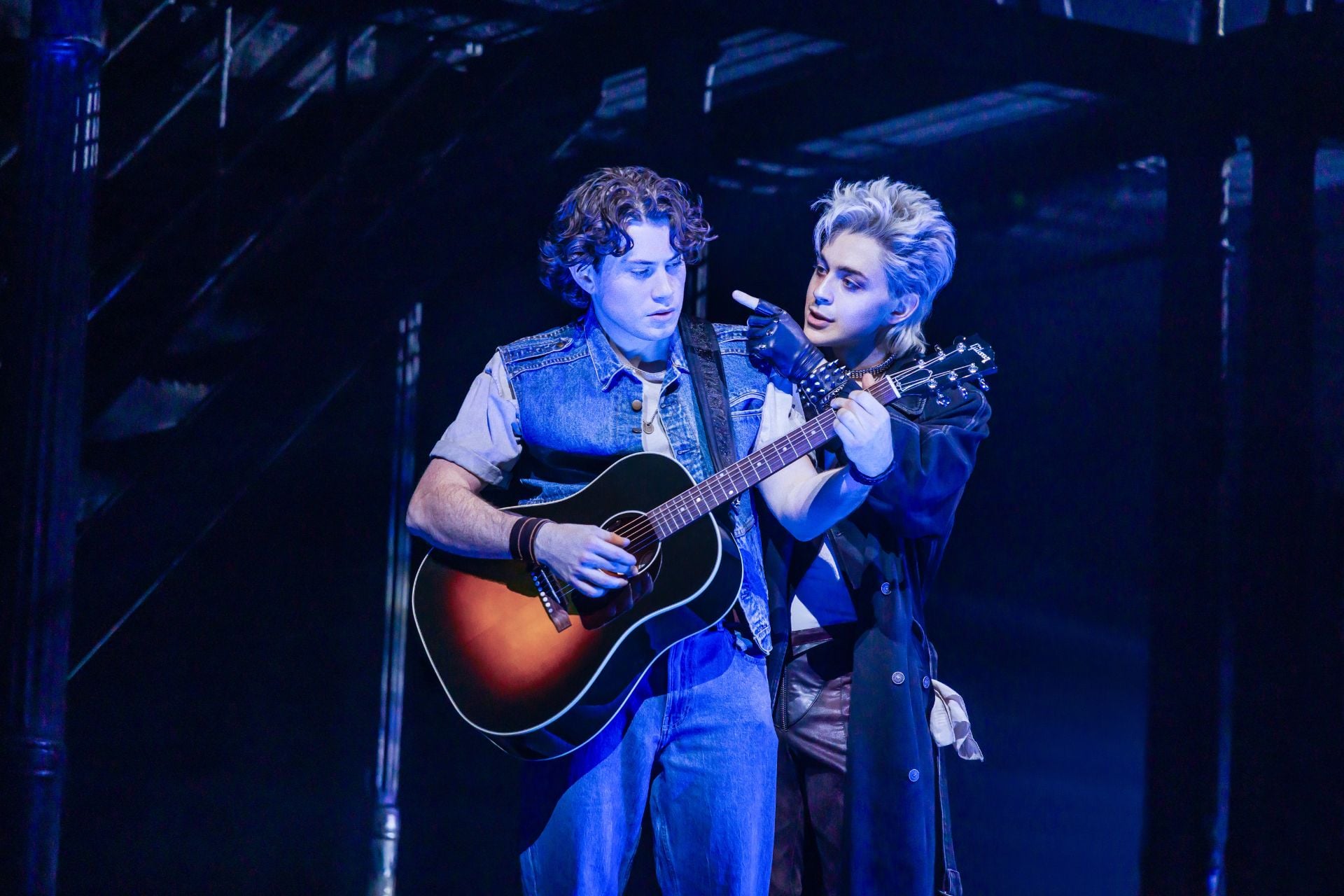
I saw celebrities slip backstage but the cast stayed grounded.
Billy Crystal, Patrick Wilson, Shoshana Bean—names came and went. They’re proof that Broadway has a feedback loop with Hollywood and prestige theatre. But the thing that mattered was the company’s daily practice: the same run-throughs, the same tiny fixes, the same shared nerves. That human routine is why the show feels less like a spectacle and more like a living story.
When will The Lost Boys be judged at the Tonys?
The Tony Awards will consider the show on June 7—an evening that will say whether the industry rewards this balance of fan service and reinvention. The soundtrack from The Rescues is up for preorder May 29; that record will be another signal of how the show lands outside the theater.
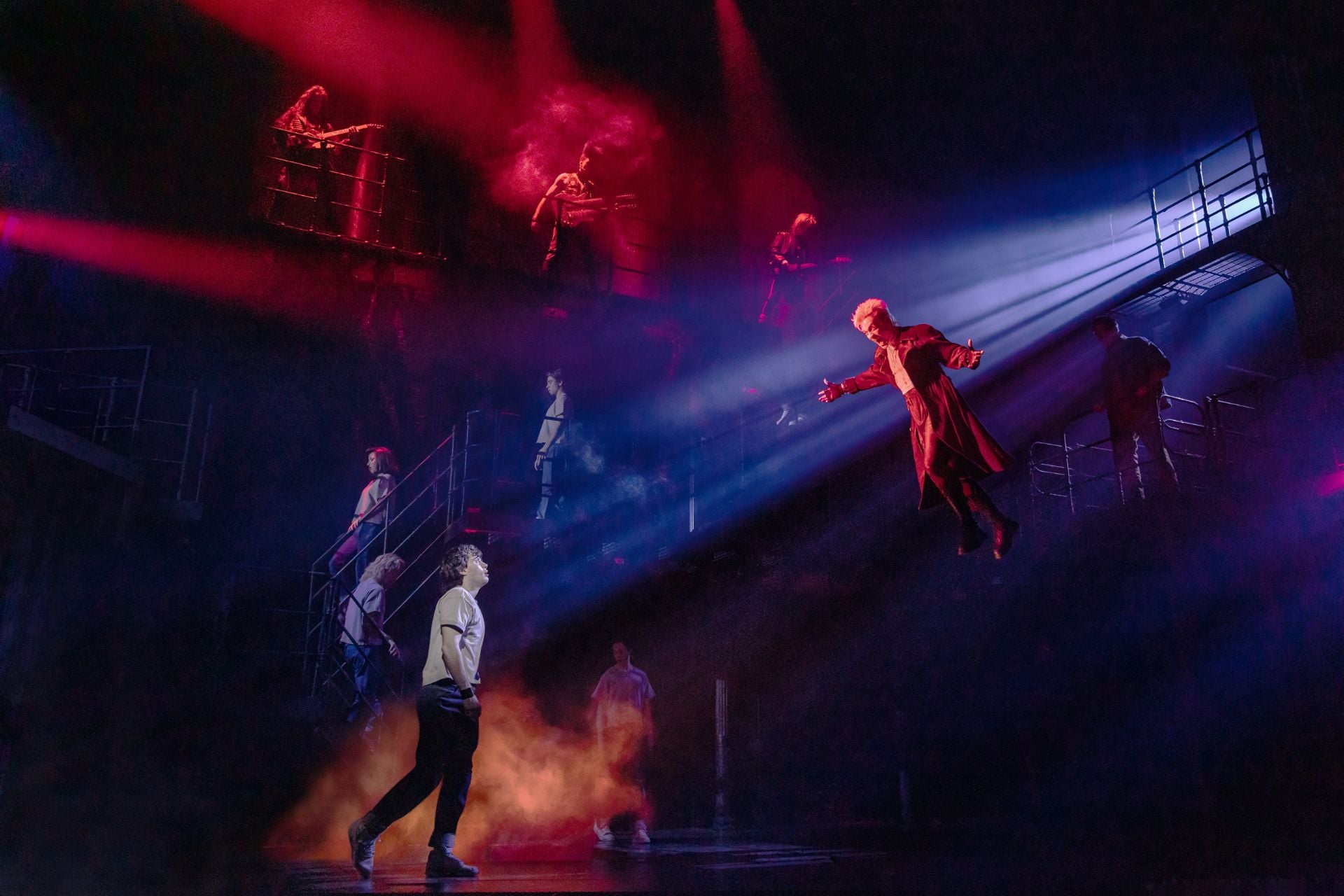
I noticed the audience still gasps at Max’s reveal, night after night.
That shock—half the house audibly surprised—shows the musical can still feed a new generation’s appetite for the story. The production keeps familiar set pieces (the saxist, the “Lost in the Shadows” tableau) but surprises in the beats and in the performances. It behaves like a neon dagger in a crowded room, precise and slightly dangerous.
Benet says his favorite moment onstage is the technical, athletic run of “Belong to Someone”—part acting, part stunt, part duet with Ali—where the character’s confession becomes physical. He lives the role in a way the camera couldn’t capture, and the payoff is a fuller Michael: less flat, more human.
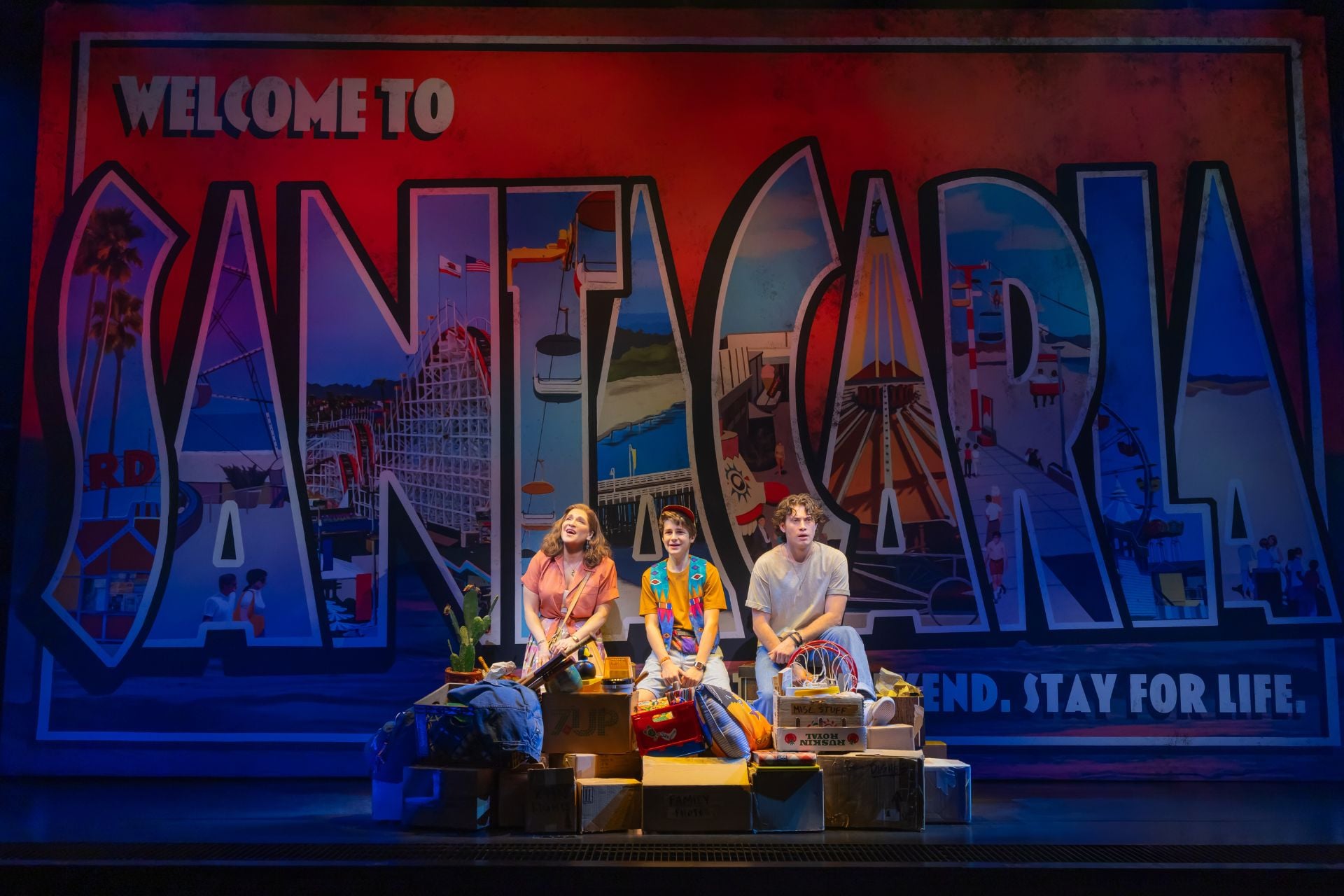
The production is at the Palace Theater in New York; get tickets and details at lostboysmusical.com. The show balances fan service and invention in a way that made me, a movie-first reader, a convert. It is, in the best sense, like a jukebox on fire—familiar songs refurbished into new heat.
So what happens if Broadway gives this adaptation the Tonys it’s been nominated for—does the industry finally accept bold reinventions of cult films, or will this remain a delicious, rarest-of-rare success story?