I stood in a dealership that felt oddly empty — one shiny pickup, two salespeople, and a silence that didn’t fit a booming market. A rep said, “We used to move these for under $20,000,” and the number landed like a punch. You can feel the same shift when you open your wallet and see that a new car is suddenly a statement, not a routine purchase.
I write from the view of someone who watches markets, talks to dealers, and reads memos from CEOs. You deserve straight talk: new-car ownership is moving away from being ordinary and toward being a privilege for people with plenty of disposable cash.
I drove past a Ford lot and noticed almost no American-made sedans left on display
I saw a sales floor that used to be full of affordable compact cars now dominated by large, expensive trucks and SUVs. Automakers — Ford, GM, Toyota — tell the same story: they don’t expect U.S. buyers to return to previous new-car habits anytime soon, according to reporting in the Wall Street Journal.
Numbers matter: annual new-car sales stood at about 17 million in 2020; forecasts now cap at roughly 16 million for this year, with a return to pre-pandemic volume unlikely before 2030. That’s a hole of more than one million potential buyers even as the U.S. population grew by nearly ten million people since 2020.
Why are Americans buying fewer new cars?
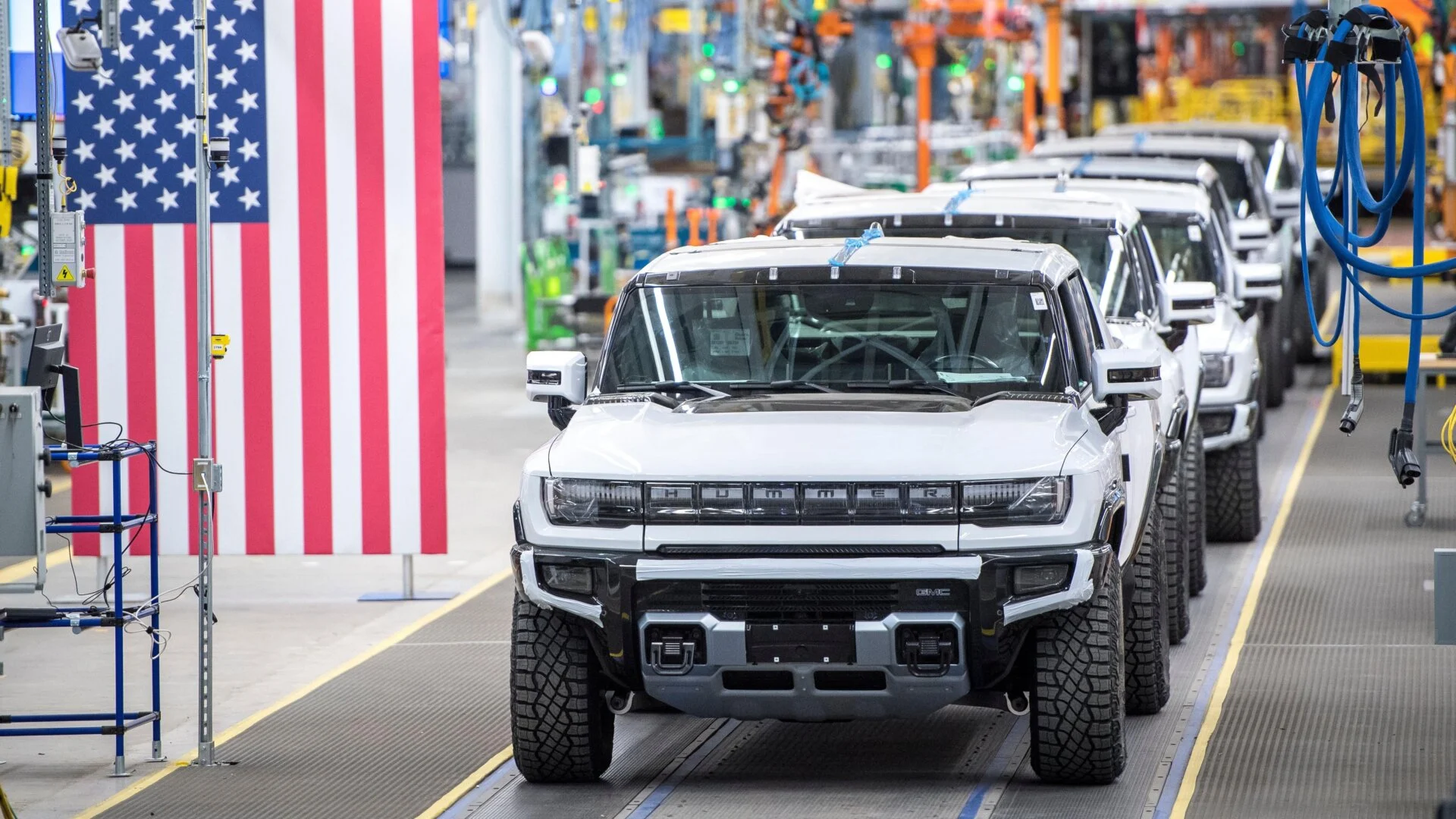
One dealer told me plainly: the models that used to sell for less than $20,000 are gone because they weren’t profitable. Executives quietly prefer selling pricier vehicles with bigger margins — think luxury pickups whose interiors look more like living rooms than trucks — and analysts at Edmunds, like Ivan Drury, confirm American automakers are less willing to undercut price to chase volume.
A friend in sales quietly joked that most customers now want options that cost as much as a small apartment
That joke lands because the average new car price has been hovering around $50,000 (€46,000). Prices rose through the pandemic and have largely plateaued, but inflation pressures and stretched household budgets make that figure feel unreachable for many buyers.
Detroit’s calculus is blunt: profitability beats market share. Jim Farley, Ford’s CEO, admitted the company couldn’t find a way to build American sedans and still make money. So the market reshaped itself — and sedans mostly died here.
When will new car sales return to pre-pandemic levels?
Forecasts from manufacturers themselves suggest not for years. Supply-side thinking — fewer low-priced models, more high-margin trucks and crossovers — plus changing consumer behavior means the recovery is a long tail, not a bounce back. If you track platforms like Cox Automotive or the University of Michigan’s Consumer Sentiment Index, you’ll see the mood of buyers has dimmed; sentiment is the lowest on record, and spending that keeps the economy afloat increasingly comes from wealthier households.
I overheard a University of Michigan economist say that consumer confidence is “not looking healthy” over coffee
The wider picture matters: people are keeping cars longer, and those who can afford new ones are often richer households driving the spending numbers. That concentration of purchasing power changes culture — owning a new car stops being a rite of passage and starts feeling like an exclusive club. The industry is, in short, reshaping the supply chain and product mix around that reality.
Are new cars becoming luxury purchases?
Yes, in practical terms. Automakers are designing and marketing vehicles that command higher prices and deliver higher profits. Edmunds and dealer commentary point to a strategic pivot: less price competition and more premium offerings. The result is a market that acts like a velvet rope around new-car access — and for many Americans, the rope is pulling tighter.
That shift creates winners and losers: manufacturers improve margins, but ordinary buyers postpone or forgo purchases and hold older vehicles longer. You see the evidence in showroom mixes, in corporate forecasts, and in a headline trend: about one million fewer new-car buyers in the U.S. economy than before.
I’ve followed markets long enough to know when something structural has changed. The urge to buy new cars hasn’t vanished so much as been corralled into fewer, wealthier hands — the auto market has become a casino where only high rollers play. Where does that leave the rest of us?