I stood on a snowy ridge inside God of War’s quiet opening and felt the story tilt beneath my feet. Kratos and Atreus read a will that was less about treasure and more like a map with teeth. That moment hid a single truth: Faye had been steering everything long before either of them knew it.
I’ll cut through the myths and the marketing so you can see why Laufey matters — to the plot, to Atreus’ identity, and to the way Santa Monica Studio rewrote a myth into a living motive. Read this as if I’m narrating a case file and you’re holding the evidence.
At wakes and old maps, people reveal what they meant for the future — God of War Laufey mythology explained: who is Faye?
In the original Norse sagas, Laufey (sometimes called Nál) is a quiet line in the ledger: the mother of Loki, partner of Fárbauti, and the woman whose name brands Loki as Laufeyjarson — literally “Laufey’s son.” That’s the baseline most fans start from.
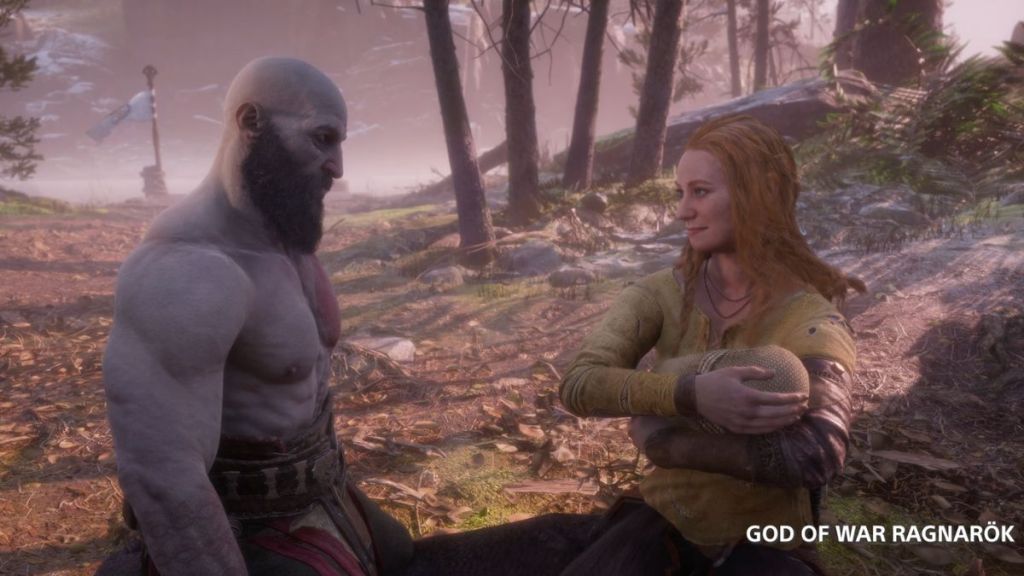
Santa Monica Studio rewrites that note into a headline. Their Laufey is Faye: a Jötunn warrior known as Laufey the Just, Kratos’ second wife, and the mother of Atreus — who later turns out to be Loki. She’s not a background character; she is the silent architect of the story you play.
According to Mimir and the game’s murals, Faye defended the weak, resisted Odin and the Aesir, and stood as one of the last protectors of the Jötnar. Brok and Sindri didn’t craft the Leviathan Axe for anyone ordinary — it was forged for her hand. If you want a quick way to think about her influence, imagine a locked diary found inside a farmhouse chest; the pages rearrange everything you believed about the family.
Is Laufey the same as Faye in God of War?
Yes. You know her as Faye at home; her Giant name is Laufey. Santa Monica Studio uses that dual identity to fold Norse tradition into the game’s new history: a mythic mother who doubles as a private strategist.
Faye’s fingerprints are everywhere: tree markings around the cabin, the funeral pyre she planned, and a map of murals that anticipate events and futures. Those choices weren’t random grief — they were instructions and warnings aimed at Kratos and Atreus.
What mythology is Laufey based on?
She comes from Norse myth. But the game’s Laufey diverges from the old poems. Santa Monica Studio borrows names and fragments, then repaints them into a political actor: a Giant who challenged the Aesir and crafted a plan that bent prophecy into parenting.
References stack outward: PlayStation’s State of Play trailer centers her, interviews with Santa Monica developers emphasize her agency, and discussion threads on platforms like Reddit and IGN trace how Mimir’s accounts reframe her status from maternal footnote to strategic leader.
When someone quietly arranges their own path, the facts afterward read like proof — how did Faye die in God of War?
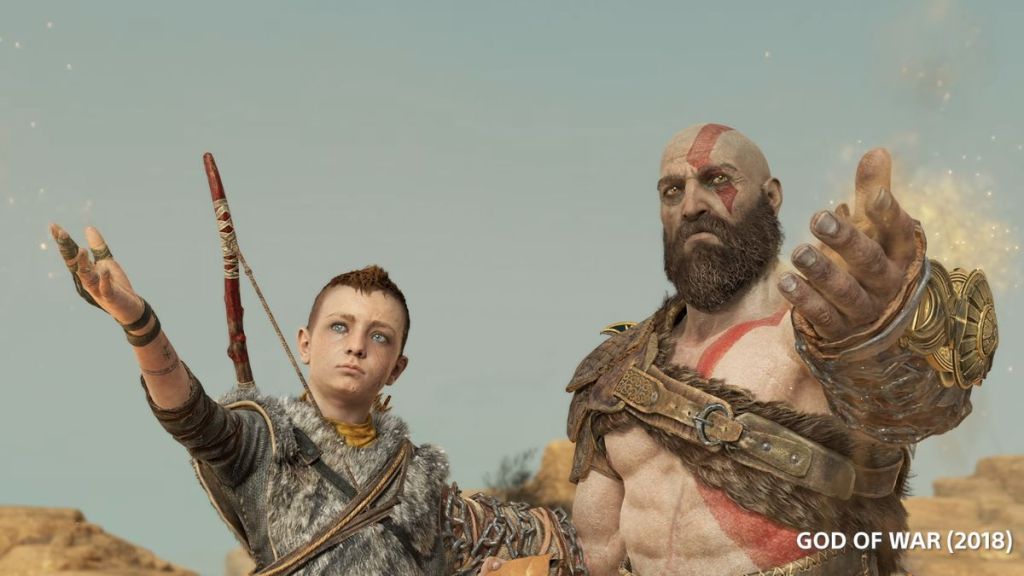
Faye’s death opens the first game and it’s the kind of exit that forces questions rather than answers. In God of War (2018) she’s already gone, and Kratos and Atreus honor the last wish she left: scatter her ashes from the highest peak.
The game gives strong signals that her death was expected and probably natural. In Ragnarök and later sequences, flashbacks show Faye speaking openly about mortality. She prepared the pyre, marked the trees, and left the instructions that would send Kratos and Atreus to Jötunheim — where Atreus’ Giant blood and name are revealed.
If you read her actions as strategy, she planned not only a funeral but a curriculum for a son who would need answers about his identity. She set the board like a chess master years before the first move, and those moves shaped alliances, enemies, and revelations.
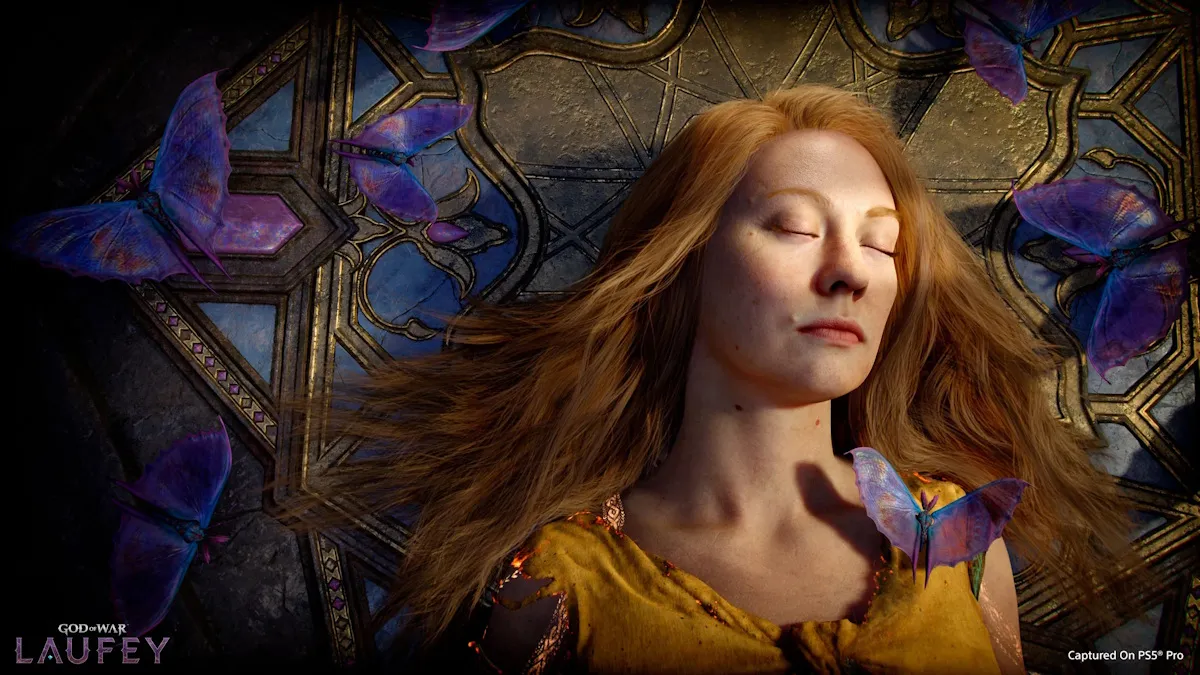
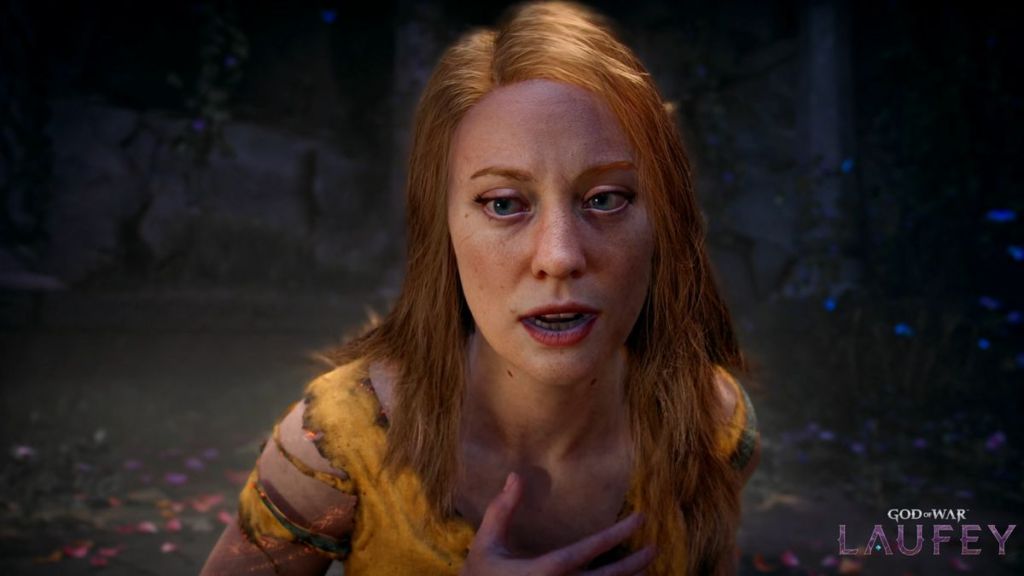
PlayStation’s newest State of Play teased a follow-up where Faye wakes inside Everywhen — described as an afterlife where gods and mythic beings converge. That teaser reframes her death as a prologue rather than an end. So the question isn’t only how she died; it’s what her death set into motion.
For players, Faye is both a narrative engine and an emotional hinge: the wife Kratos loved, the mother who hid a name, and the Giant who refused to let history run on autopilot. Her choices made Kratos and Atreus actors in a drama she partially scripted.
Small acts at home create the big forks on the road — why her secret mattered
When someone keeps a single truth, consequences stack. Faye’s concealment of Atreus’ identity as Loki reshapes every encounter they face, and it turns casual lines in Mimir’s commentary into explosive beats.
Her story is also a study in how games rewrite myth: Santa Monica Studio borrowed Norse names and motifs, then placed them into a modern narrative about parenting, prophecy, and resistance. If you read the murals and listen to the side conversations, her plan unfolds in layers — practical, moral, and prophetic.
I’ve followed player threads on Reddit, watched analysis on YouTube channels that dissect the mural art, and read developer interviews where creators at Santa Monica explain their choices. The consensus: Faye is the secret that explains the game’s structure.
So where does that leave you when you revisit the opening scene or watch the State of Play trailer? You’re not just replaying a funeral; you’re unpacking a long game someone set into motion. Which raises the sharper question: if Faye could script a future from beyond the grave, who else in the story is playing from the same page?