
I logged back into Destiny 2 and the Tower felt unfamiliar: the Power number blinked 10 and my hands hovered over guns I thought I knew. You stand there, doors open to dozens of new systems, and the old muscle memory trips over modern rules. I tell you this because the first five minutes will decide whether you wander or accelerate.
I’ve played through every major shift and I’ll walk you through the fast, practical route to being useful again. Think of the Director as a map with burned edges. Below I sort the noise into clear steps, shortcuts, and things you can ignore until they matter.
Power Levels and difficulty
You’ll notice the Power readout can feel insultingly low the moment you return. If you last logged in before The Edge of Fate, your Power resets to 10—but that number no longer means the same thing. Bungie has overhauled how difficulty and rewards scale: teammates can temporarily boost your Power to let you enter higher activities without changing the gear you’ll legitimately earn.

Monument of Triumph sets Power between 10 and 550. Don’t panic: you’ll rocket toward 300 quickly through normal drops, and you can skip to 300 immediately by buying weapons and armor from Zavala in the Tower and infusing them into your loadout. From there, higher difficulties and better activities push your Power further.
How do I raise my power level in Destiny 2?
Start with Portal runs; they’re the safest, most reliable source of steady upgrades. After that, focus on higher-difficulty playlists, Distortions, and activity-specific loot pools. Performance can matter—Crucible and raid feats change drop behavior—so pair consistent runs with Attunement targeting (more on that below).
How to raise your power level in Destiny 2
Your first few hours should be low-risk, high-return. Portal used to be the obvious path and it still is a helpful treadmill while you relearn movement, aim, and new subclass tools.
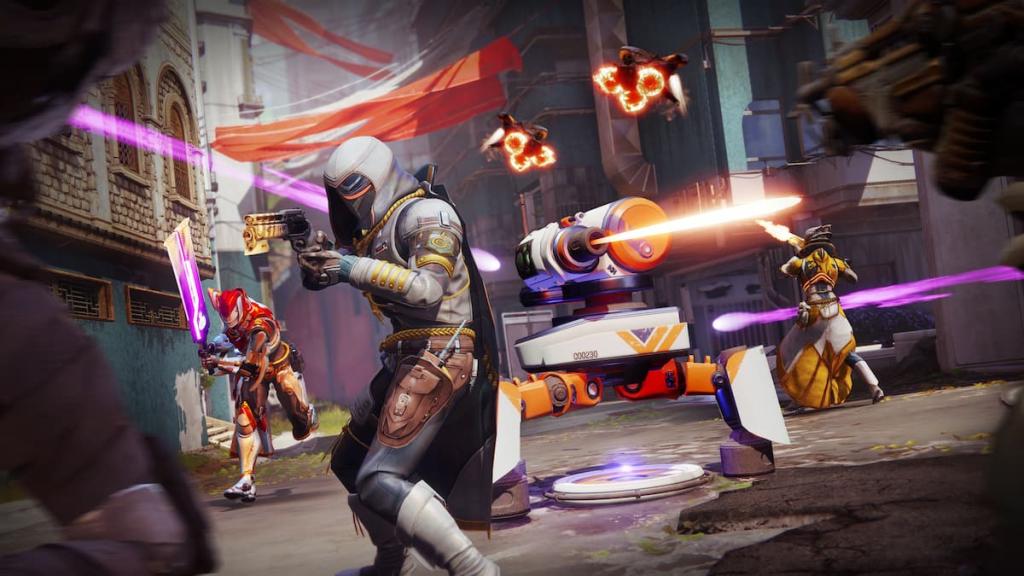
Higher difficulty equals bigger boosts. Monument of Triumph ties tier and Power to activity difficulty, so the more you push, the better the baseline drops become. If you’re solo, Portal and public events with heroic modifiers will carry you; if you have a group, coordinate Distortions and Ultimatum runs but don’t expect to be power-leveled—fireteam boosts let you enter harder content but won’t raise your rewards above your personal maximum.
Gear Tiers, explained
The first time you see diamonds on a drop, you’ll pause and squint. Gear tiers arrived with The Edge of Fate and they grade every weapon and armor piece introduced since.
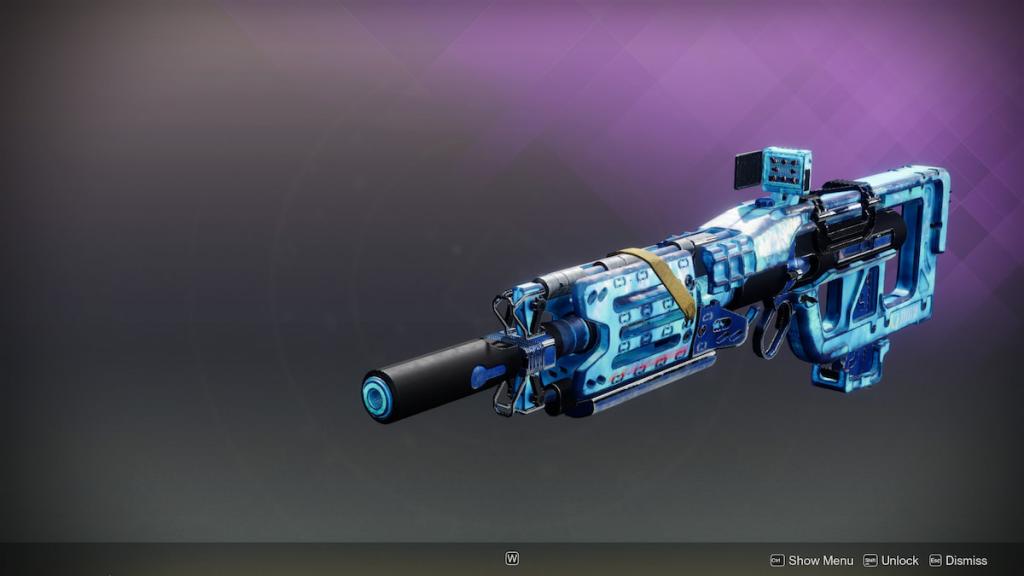
Weapons: tiers change perk structure. T2 gets enhanced perks; T4 and T5 roll extra traits which make high-tier rolls easier to craft into meta pieces. Crafted weapons can be upgraded to mirror many T5 benefits, but existing guns won’t acquire new perks just by tiering.
What are gear tiers in Destiny 2?
Armor tiers show total stat points. T3 matches well-rolled legacy armor; T4 sits around 70–75 stat points; T5 guarantees 75s plus a small tuning stat that nudges one attribute. New armor also provides set bonuses when you wear two or four pieces, so prioritize archetype and bonus over chasing a single number.
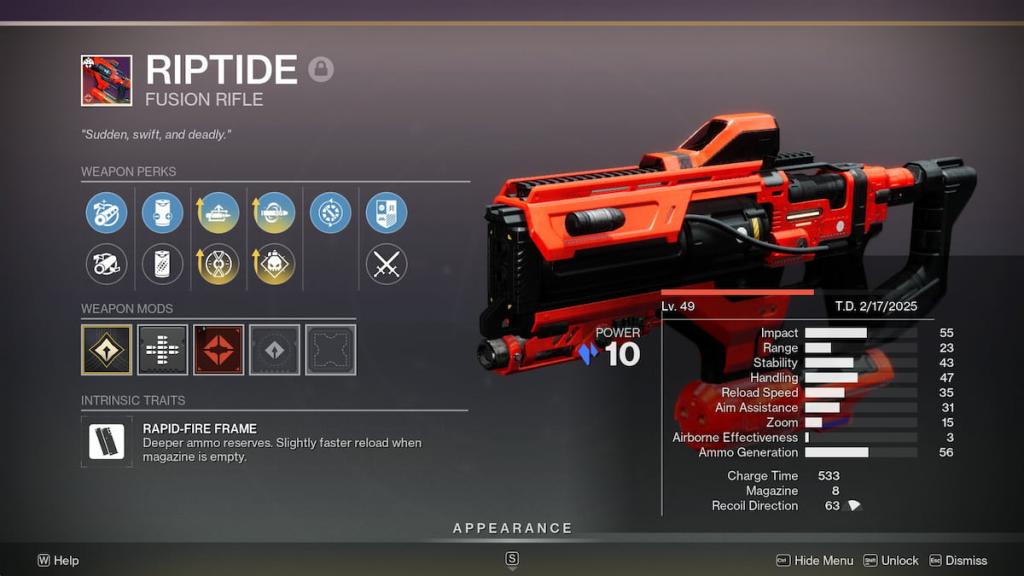
Your objective on a return is simple: grab T3s to be serviceable, hunt T4-T5 when you want a proper upgrade. Use tools such as Destiny Item Manager (DIM) and light.gg to compare rolls, and consult Destiny Tracker for activity-specific drop lists.
Your inventory is a Swiss Army knife that forgot which tool is which.
Stat rework: 100+ Points and Armor 3.0
When you open your character screen, the numbers will surprise you. The stat ceiling rose—attributes can reach 200—and the bands 0–100 and 100+ now mean entirely different things for ability regen and bonus effects.
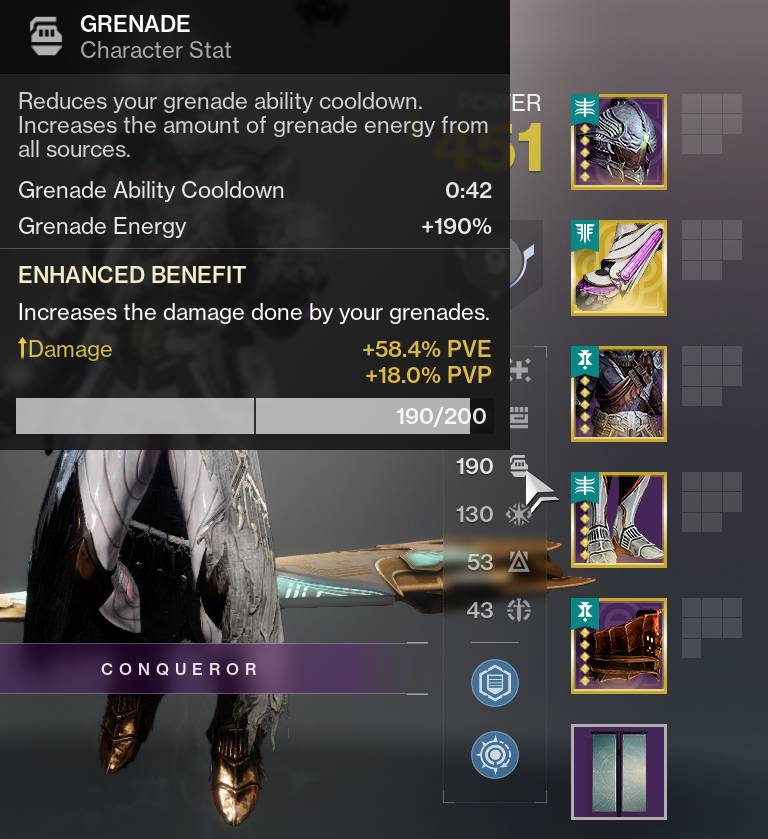
Grenade, Class, Melee, and Super: 0–100 affects ability regen from all sources; beyond 100 you start getting damage bonuses and extra effects. Resilience and Mobility were reshaped into Health and Weapons—Health gives on-orb healing, Weapons improves damage and reload behavior.
What changed with Armor 3.0?
Armor 3.0 increases total stat pools and introduces tuning stats plus set bonuses. Your build decisions now hinge on whether you want raw regen or extra effects above 100; plan around the 0–100 band first if you want consistent ability uptime.
How to get higher-tier gear in Destiny 2
You can watch distillations of gear flow through playlists and detect patterns: public events and patrols drop T3 with heroics moving to T4/T5, while Distortions add a tier lift.

Difficulty is the primary lever: higher bracket activities yield higher-tier drops. Patrols drop predictable tiers, Distortions bump the tier, and certain playlists (Gambit primeval summons, raid feats) have guaranteed T5 or higher behavior tied to performance. Consult Bungie.net dev posts and community trackers when specific weekly changes land.
Attunement, explained
If you’ve ever chased a specific gun and never saw it again, you’ll appreciate this. Attunement, which rolled out with Monument of Triumph, lets you target weapons so activity rewards are far more likely to be the gun you want.
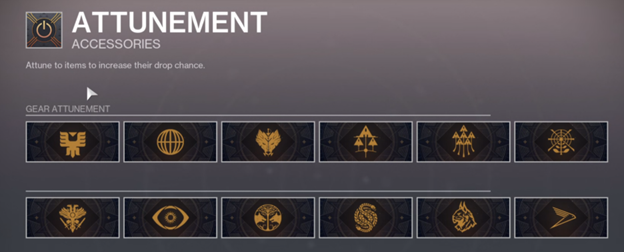
Open Inventory, go to Attunement, and target the weapon you want for each active pool. Do that before you run an activity and you’ll dramatically shorten the time to a proper roll. Tools such as DIM and light.gg show which activities feed which pools; pair that intel with Attunement and you’ll stop wasting runs.
Best things to do for returning players in Destiny 2
You’ll want a short list of wins to restore confidence. Start with daily reliable sources and work up to more demanding playlists when you feel sharp.

Practical tempo: grab T3s from destinations, farm Heroic public events for T4/T5, and prioritize Distortions for a tier bump. Use Portal Ops to get comfortable at various fireteam sizes. Pinnacle Ops (ex-Exotic quests) remain a strong single-target source for powerful items, and Onslaught and The Coil are excellent for fun and repeatable rewards.
Crucible and Gambit have their own pools—Gambit’s Primeval summons have been reported to produce T5 drops when you complete the encounter. If you want unusual weapons and cosmetic rewards, try Sparrow Racing League for unique items on weekends.
Practical tools: Bungie.net for developer posts, Destiny Item Manager for inventory moves, light.gg and Destiny Tracker for roll and drop tracking, and the r/DestinyTheGame community for current meta chatter across Steam, PlayStation, Xbox, and Epic audiences.
Go in with a short priority list—hit Portal until 300, buy and infuse a few pieces from Zavala, set Attunements, and then push one higher-difficulty playlist until your Power stops climbing. Which path will you take first?