She closed her laptop and handed a printed snippet of code to HR. I remember the hush — a software engineer asking not for a raise, but for permission to refuse a tool. You could feel the argument shifting from policy to conscience.
I write about labor law and tech, and you should know what that moment means: the debate over AI at work is slipping from boardrooms into pews, prayer circles and private beliefs. A North Carolina engineer named Erin Maus did exactly that — she won an accommodation to avoid using AI at her job after saying the technology conflicted with her Unitarian Universalist convictions about ethics and the environment, Business Insider reported.
In a small HR office, an engineer asked to keep writing and reviewing code by hand
She argued that AI conflicted with her religious beliefs; the company granted the exemption in May. That quiet exchange matters because it shows how a single request can force employers to weigh operational needs against a worker’s sincerely held faith.
Title VII requires employers to offer reasonable accommodations for religious practices unless doing so causes undue hardship. I’ve seen this play out before: employers scrambled over vaccine mandates and religious exemptions during COVID, and the U.S. Equal Employment Opportunity Commission pushed Rex Healthcare to pay $150,000 (€140,000) to settle an unlawful-denial claim. When you read the language of the law, it’s blunt — sincere belief gets presumed weight unless a business can show material, specific hardship.
Can employees refuse to use AI at work for religious reasons?
Yes — but not automatically. You must articulate a sincerely held belief that using the tool conflicts with that belief. Employers then decide whether a reasonable accommodation is possible without imposing undue hardship. I tell clients and readers that sincerity matters more than theological correctness; courts and the EEOC generally avoid questioning the substance of beliefs.
In boardrooms, managers are nudging engineers toward tools such as GitHub Copilot, Bard and Copilot Chat
Companies — from Google to Microsoft and startups using OpenAI models — are rolling AI into workflows and some have pushed employees to adopt it. Gallup reports that U.S. workers using AI at least a few times a year nearly doubled from 21% to 40% in 2025. That pace creates friction: you either adapt to the toolchain or argue for an exception.
When you talk to HR leaders, they worry about productivity metrics and compliance. When I advise employees, I ask: can tasks be reassigned, can human review replace automation, and does the accommodation create real cost or just inconvenience? Those are the lines employers draw. The pope’s encyclical, Magnifica Humanitas, adds another element: moral authority.
What counts as a reasonable accommodation under Title VII?
Reasonable accommodations can be simple — schedule changes, reassignment, manual alternatives — or complex, like rewiring a workflow. Employers only win the argument if they show an undue hardship, meaning significant difficulty or expense. The legal threshold isn’t zero; it’s a practical balancing test.
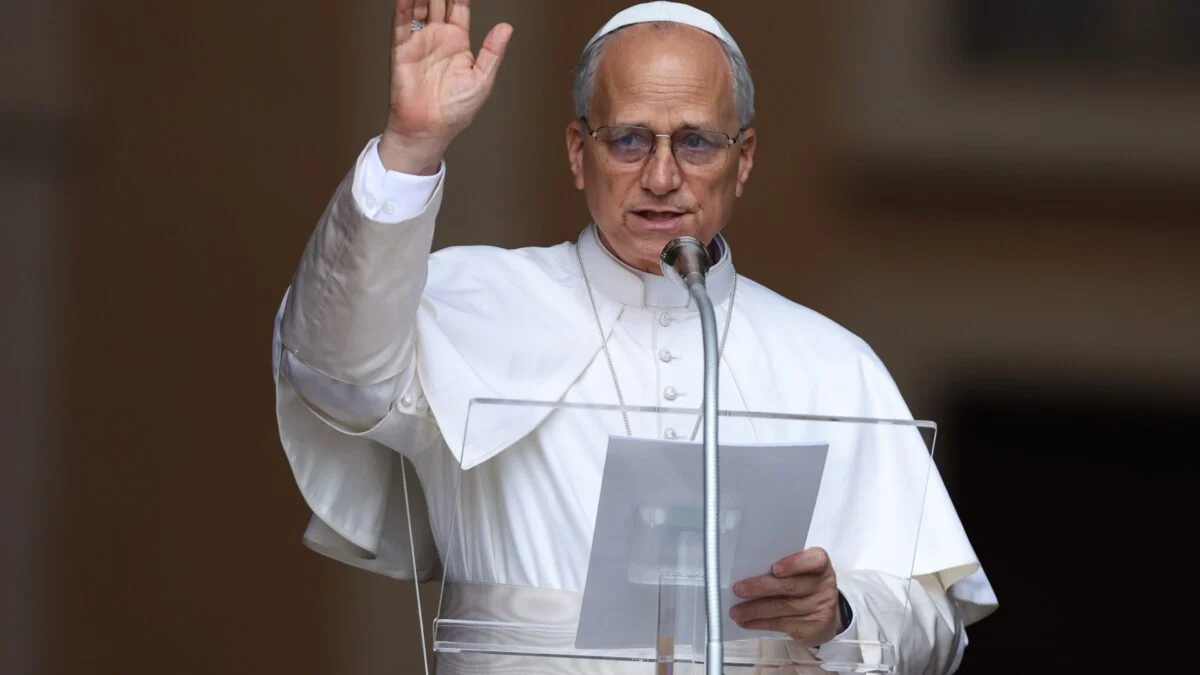
At the Vatican, a 43,000-word encyclical landed on desks in Rome and Silicon Valley
Pope Leo XIV argued that AI risks turning the person into data, warning against “the idolatry of profit that sacrifices the weak.” That theological framing gives workers another rhetorical and moral lever. Jonathan Segal, an employment lawyer with Duane Morris, told HR Brew that employees will likely cite the pope to claim religious conflict — and courts typically won’t interrogate the authenticity of sincerely held religious claims.
Think of the encyclical like a lighthouse in fog: it doesn’t change the shoreline overnight, but it makes a hazard visible. Employers who rush to mandate AI without a process for accommodation risk litigation and bad faith claims. I’d expect counsel at larger firms — legal teams at Google, HR at entertainment-tech shops, compliance officers at Microsoft — to refine policies this year.
Will the pope’s encyclical change legal outcomes?
It may not change statutory law, but it changes the conversation. When a religious leader of global stature frames AI as a moral issue, that framing becomes evidence in the public square and in HR disputes. Employers should treat requests seriously; employees should prepare to show sincere belief and workable alternatives.
Companies face a practical choice: build flexible policies now or defend a string of individual accommodations later. I advise both sides: document the job impact, identify non-AI workflows, and involve counsel early. The law rewards procedural fairness as much as it does legal principle.
The battle over AI at work feels like a gear shift in labor relations — an industrial lever moved by conscience, tech, and faith all at once. Which side will you be on when the next accommodation lands on your desk?