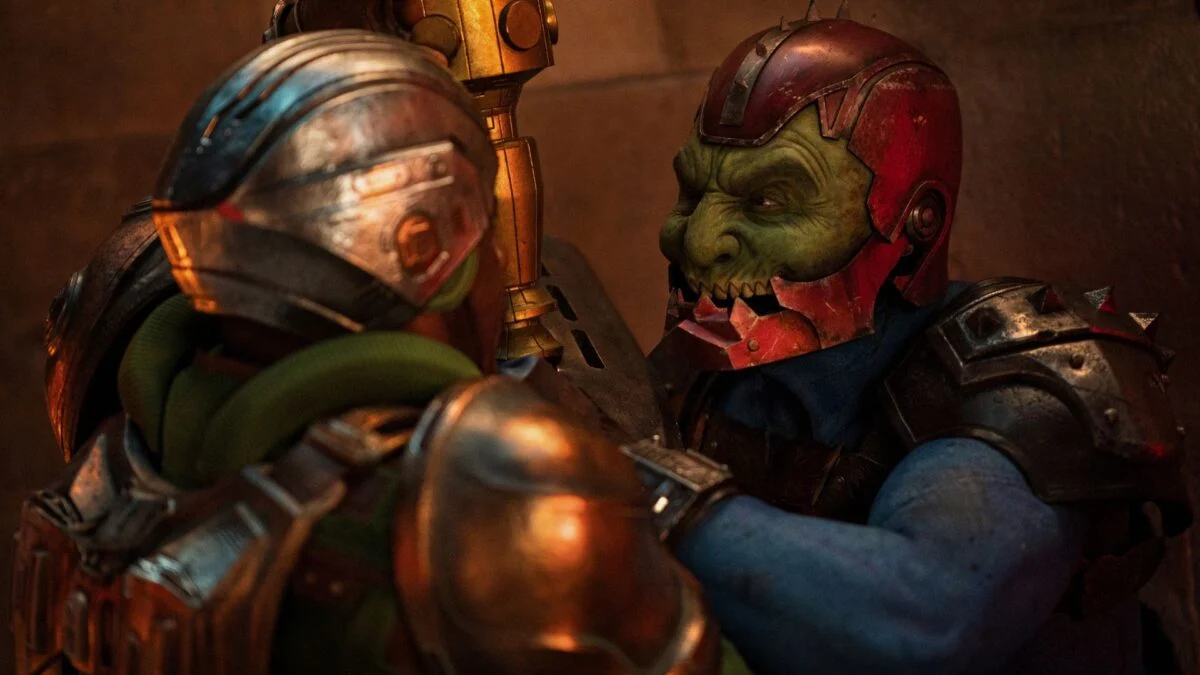
I was standing in a nearly empty lobby when the Masters of the Universe trailer played on the wall and a group of collectors cheered louder than the ticket line. A studio had spent hundreds of millions, and the room felt simultaneously smaller and louder than that cost suggested. That contrast—big budget, thin turnout—has become the weekend’s defining image.
I’ll keep this practical. You’ve seen the headlines: Masters of the Universe cost roughly $200 million (≈€186 million) to make, earned about $29 million (≈€27 million) domestically and $25 million (≈€23 million) internationally for a global opening near $54 million (≈€50 million). Box Office Mojo and Comscore will call the raw numbers a miss; Amazon MGM’s distribution chief Kevin Wilson called it “exactly the kind” of opening the studio wanted. You and I need to bridge the distance between those two takes.
The theater was half full on opening night — what that says about the launch
That image—half a theater, heavily advertised—tells a story of awareness without mass momentum. Independent horror hits like Backrooms and Obsession stole the cultural oxygen this summer, proving a smart concept and strong word of mouth can topple headline budgets.
I’ve spent nights parsing Comscore feeds and Variety quotes; the lesson repeats: awareness and intent are different animals. People may know He-Man exists again, but knowing isn’t the same as buying a $16 ticket and dragging friends along. The trailer and toy tie-ins worked for core fans; they didn’t immediately convert casual moviegoers.
Kevin Wilson framed the weekend as a success — why that matters
Wilson’s statement landed in Variety and read like a chess move wrapped in fog. Publicly, studios sell narratives. Privately, they watch detailed funnel metrics—search lift, social trends, Amazon Prime trial riffs, and merchandising pre-orders.
Why did Masters of the Universe open so low?
There are three concrete reasons I see. First: competition. The weekend belonged to the latest Scary Movie and two micro-budget horror breakouts that captured viral momentum. Second: brand fatigue. He-Man is a collectible IP, not a mainstream tentpole right now, and that matters for casual audiences. Third: marketing cadence. A $200 million (≈€186 million) production needs a different rhythm than an indie; you must prime the mass audience weeks before release, not after.
The weekend scoreboard was public — but the campaign was private
Studios run spreadsheets that most people never see. I once watched an Amazon MGM executive pull up subscriber lift, Prime trial conversion, and merchandise pre-sales in one dashboard.
Can Amazon recoup the film’s costs?
Yes, and no. The theatrical split means roughly half of that $54 million (≈€50 million) returns to the studio, so immediate theatrical revenue is small against a $200 million (≈€186 million) cost. But streaming, licensing, toy sales, and new Prime sign-ups shift the calculus. If Masters of the Universe drives durable merchandising and converts even a fraction of Prime viewers to stay, Amazon can amortize the loss over years, not weekends.
Think of the film’s theatrical run as a soft launch on a crowded street; it doesn’t have to sell every customer to set off a downstream chain of purchases.
The market moved under Amazon’s feet — and that rewrites expectations
Two small horror films and a lackluster Star Wars weekend changed the frame in ways no studio executive predicted publicly. I used to cover studios that assumed tentpoles were immune to micro-trends. They aren’t.
Amazon MGM likely modeled scenarios where the film underperformed in theaters but fueled ancillary markets. They also had to be realistic about competition—Backrooms, Obsession, and the new Scary Movie entry rewired ticket-buying behavior faster than ad buys could counteract.
Merch, streaming, and sequels — the after-market play
The real-world observation is simple: action-figure sales and licensing meetings started before the credits rolled. Hasbro, toy retailers, and Amazon merchandising teams are already testing SKUs.
I watch pages on Amazon, Hasbro’s strategy calls, and the volunteer army of collectors on Reddit and Discord. A theatrical release gives you shelf space, box-office headlines, and an argument in licensing decks. If you can sell watches, T-shirts, and nostalgia-packed playsets, the story becomes less about opening weekend and more about lifetime value.
What you should watch next
Check three signals if you care about whether Amazon’s take is defensible: Prime subscription churn and trial-to-paid conversion in the coming quarter, merchandise sell-through on Amazon and specialty retailers, and social engagement trends driven by director Travis Knight and the cast. I’d also watch Box Office Mojo for hold patterns: a strong second weekend would be surprising, but it would change the narrative.
Variety, Kotaku, and industry trackers will parse the PR spin and raw numbers. You’ll see pundits call it a flop, others call it a strategic release. I read both and ask a simpler question: does the film create a platform for future revenue streams even if the theatrical check looks thin today?
So tell me—did Amazon misplay the theatrical window, or is this a long game most studios would be jealous to run?